


 Български
 Čeština
 Deutsch
 Eesti
Eesti
 Español
 Français
 Hrvatski
 Italiano
 Latviešu
 Lietuvių
 Magyar
 Nederlands
 Norsk
Norsk
 Polski
 Português
 Română
 Русский
 Slovenčina
 Slovenščina
Did you know that Traditional Chinese Medicine (TCM) assigns a different organ or body system to each month? In August, according to TCM, you should focus on the so-called triple heater, which means thermoregulation and the body's fluid management. Late summer is a period of transition – the peak summer energy slowly subsides, and the body begins to return to its centre.
Find out how to take care of yourself in August, what to eat, what to avoid, and why a feeling of heaviness, water retention, or inner restlessness may appear precisely at the turn of summer. We will advise you on how to be in harmony with August according to TCM, tune into late summer, and prepare your body and mind for a calmer rhythm.
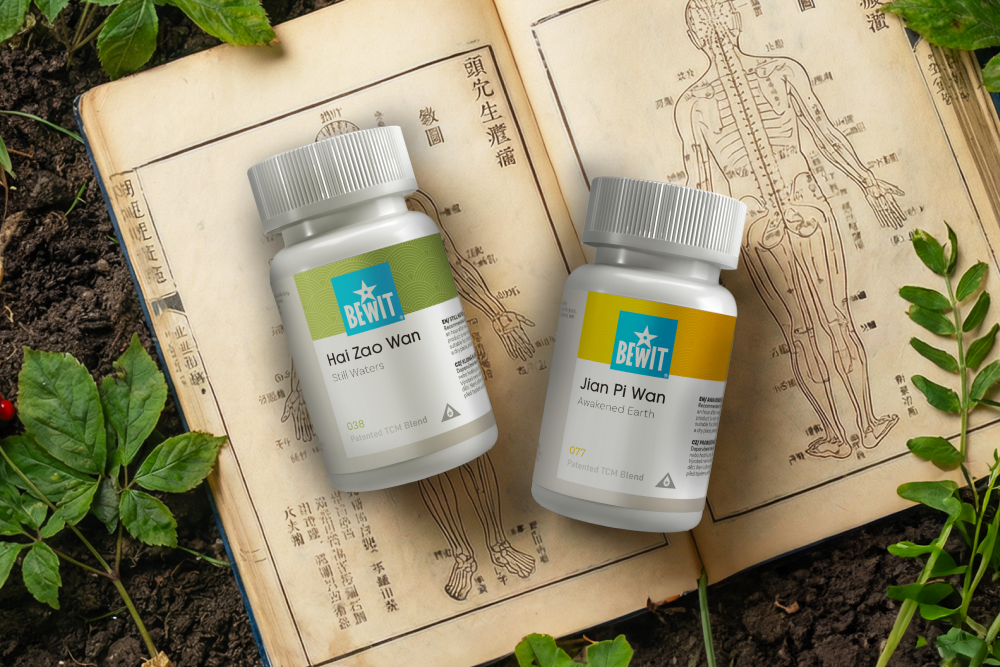
What is typical for August in TCM
In Traditional Chinese Medicine, August is the period of late summer and the transition between the Fire and Earth elements. The peak summer energy slowly recedes, and nature and the body begin to turn inwards for ripening, settling, and returning to the centre.
While July fully belonged to the Fire element, August is a kind of bridge. The main area of this period is the triple heater (San Jiao), which in Western understanding corresponds to thermoregulation and the body's fluid management. It is not a specific organ but a functional system that connects breathing, digestion, and excretion and distributes energy and fluids throughout the body. The triple heater in TCM is divided into three levels:
Upper heater – heart and lungs, i.e., breathing and blood circulation.
Middle heater – spleen, stomach, and liver, i.e., digestion and energy production from food.
Lower heater – kidneys, bladder, and intestines, i.e., excretion and water management.
When all three levels are in balance, the body manages heat well, fluids flow as they should, and the mind is calm. Late summer also brings the onset of the Earth element, which in TCM is associated with the spleen, stomach, and digestion. This is why August is an ideal time to turn attention to your centre.
August in the rhythm of TCM in a nutshell
Season: late summer
Month: August – a time of ripening, calming, and returning to the centre
Element: transition from Fire to Earth
Energy direction: inwards – energy slowly settles and calms
Typical climatic influence: heat and humidity
Period symbolism: triple heater as a regulator of heat and fluids
Main area: thermoregulation, fluid and lymph management
Taste: naturally sweet (cereals, pumpkin, root vegetables)
Organs: spleen and stomach; the main system of the period remains the triple heater
Emerging element: Earth
Function of the triple heater: connects breathing, digestion, and excretion, distributes energy and fluids
Also related to: hormonal balance and endocrine glands
Colours: yellow and ochre – colours of the Earth element
Manifestation of imbalance: fatigue and a feeling of heaviness, oedema and water retention, excessive sweating, hot flushes, inner restlessness and distraction
Emotions: pensiveness and worry; in balance, a feeling of grounding and stability
Natural body need: smooth fluid flow, lightness, calm mind, and care for the centre
Why the triple heater and fluid management are particularly important in August according to TCM
In Traditional Chinese Medicine, the triple heater is a system that ensures that energy and fluids flow smoothly and evenly throughout the body. We take in oxygen, water, and food into the physical body, and the triple heater helps to transform and distribute everything where it is needed. It connects three basic functions – breathing, digestion, and excretion – into one continuous flow.
In late summer, when heat and humidity alternate, this system is particularly stressed. High temperatures and heavy sweating place demands on thermoregulation and how the body manages water. When fluid flow is hindered, a feeling of heaviness, oedema, or water retention may appear. Therefore, August is a period when it makes sense to support the smooth flow of fluids, lymph, and natural drainage.
Furthermore, according to TCM, the function of the triple heater is closely related to the endocrine glands, which are responsible for hormonal balance. The transitional period, when yang energy peaks and begins to calm down, can therefore also be sensitive hormonally and emotionally. And because August also opens the Earth element, the centre of the body – the spleen, stomach, and digestion – also comes to the forefront, which should be cared for more in this period.
How you might feel in August
August is a month of transition, and everyone can experience it differently. Along with the fading summer energy comes a natural need to slow down, settle, and return attention to oneself. How well the body manages heat and fluids can be reflected in our physical and mental well-being.
When everything is in balance, you feel an inner connection and fluidity. You manage heat well, your mind is calm and receptive, and you feel that "everything is flowing as it should." A natural calming comes, a desire to settle down and perceive the end of summer in peace and without haste.
When overloaded, on the contrary, fatigue and a feeling of heaviness, oedema, or water retention may appear. Excessive sweating, hot flushes, inner restlessness, and distraction may also be added. The body indicates that fluid flow and thermoregulation need support and that it is time to slow down.
Support your body and mind in August according to TCM
1. Diet in harmony with August according to TCM
In late summer, the Earth element comes to the forefront, which in TCM is associated with the spleen and stomach. The spleen likes warmth and regularity, and therefore, in August, the body benefits most from warm, cooked, and easily digestible food. Cold and raw foods, on the other hand, according to TCM, weaken the spleen and can promote the formation of dampness. Include the following in your diet in August:
Warm water, herbal teas, and broths. Drink continuously throughout the day and prefer liquids at room temperature, not iced. Thermoregulation in summer is traditionally supported by herbs such as nettle, horsetail, or lemon balm.
Cooked and stewed dishes. Millet, buckwheat, whole grain rice, and root vegetables gently warm and are easily digestible. Millet, moreover, in traditional Chinese dietetics, is among the foods that support the centre of the body.
Naturally sweet taste. Pumpkin, sweet potatoes, carrots, or pears belong to the taste that, according to the theory of five elements, belongs to Earth and the spleen.
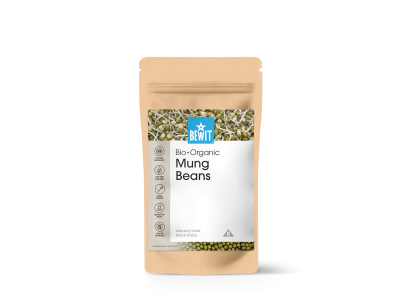
Legumes for gentle drainage. Mung beans in traditional Chinese dietetics are associated with draining excess dampness and naturally fit into late summer.
Herbs to support digestion. Fennel, anise, caraway or ginger gently warm the centre and thematically complement August's digestive care.
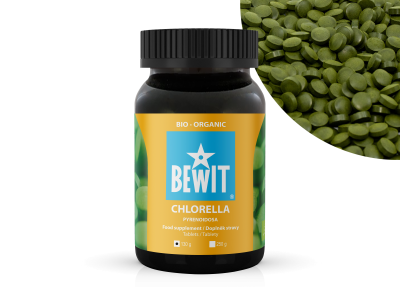
Superfoods that connect with August energy. Try, for example, blackcurrant, pumpkin seeds, or chlorella as a supplement to a light diet.
TIP: Nettle or horsetail tea traditionally relates to the theme of drainage, while fennel or ginger tea pleasantly warms the centre. And just as important as food selection is to eat calmly and without haste.
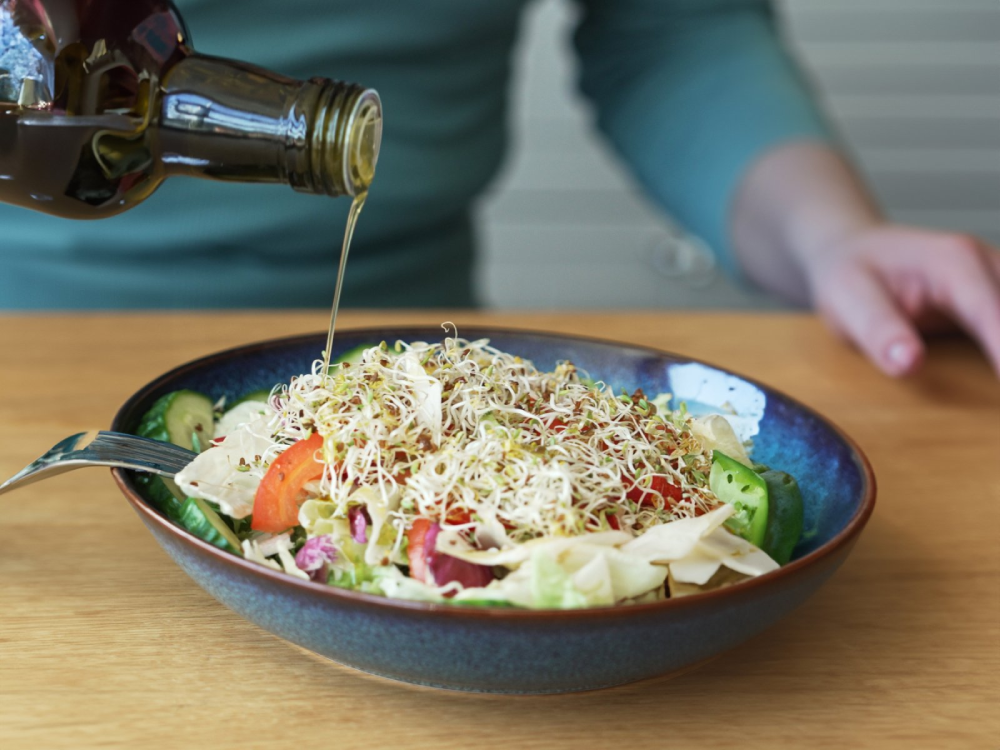
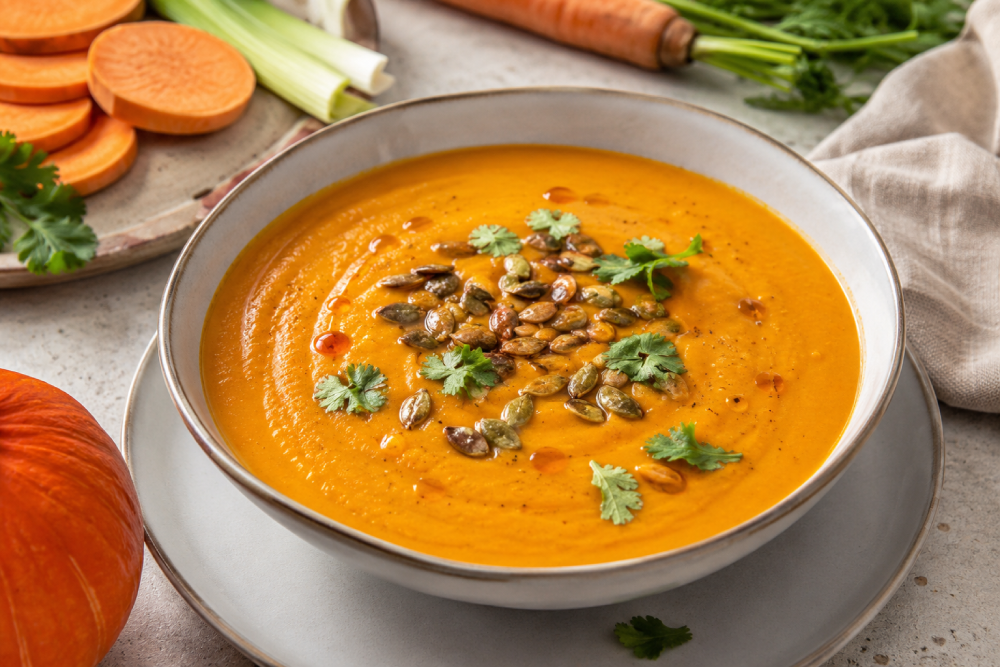
Recipe for August: pumpkin and sweet potato cream
Late summer favours simple, warm, and mildly sweet food that warms the body's centre and is easily digestible. It is ideal for a light lunch or dinner and gently supports digestion, energy, and a sense of grounding.
Ingredients (2–3 servings)
- 400g Hokkaido pumpkin, diced (with skin)
- 1 small sweet potato, peeled and diced
- 1 carrot, sliced
- 1 small leek (white part) or 1/2 onion
- 1 cm fresh ginger, grated (optional)
- 1 clove garlic (optional)
- 1 tablespoon ghee
- 1/2 teaspoon ground caraway and a pinch of turmeric
- 700–750 ml vegetable broth or water
- salt
- for garnish: toasted pumpkin seeds, a few drops of sesame oil, fresh coriander to taste
Method
- Sauté the leek with ginger and optionally garlic in ghee, add caraway and turmeric, and briefly fry until the spices are fragrant.
- Add the pumpkin, sweet potato, and carrot, stir, and pour in enough broth to cover the vegetables.
- Cover and simmer over a low heat for about 20 minutes, until the vegetables are completely soft.
- Blend the soup until smooth and season to taste. Add a little hot water if needed for consistency.
- Pour into bowls, sprinkle with toasted pumpkin seeds, drizzle with a few drops of sesame oil, and you can also garnish with coriander or another herb. Serve warm. Enjoy!
TIP: For a heartier version, stir in a handful of cooked millet or add red lentils.
2. What to avoid in August
Just as important as what to include is avoiding what unnecessarily burdens the body in late summer. In August, it is advisable to limit iced drinks, excessive raw food, heavy, fatty, and fried foods, as well as excess sugar, salt, and alcohol.
Be especially careful with iced drinks and ice cream. Although cold tolerance depends on individual constitution, according to TCM, extreme cold represents a burden for most people. It cools the energy of the spleen, which is related to digestion, and can disrupt natural flow in the body. Drinks should ideally be at room temperature.
Caution is also advisable with excessive raw food. Salads and fruits belong to summer, but an excess of raw and cold foods can, according to TCM, weaken digestion and promote the formation of dampness. And because the spleen works better with smaller portions, also avoid overeating.
3. Movement and routine: how to tune into late summer
August is a time of transition – yang energy peaks and slowly calms down. It is not a period when it is necessary to push one's limits at all costs, but rather a time to slow down and tune into a calmer rhythm.
Plan movement for the morning or evening, before it gets too hot, and rest in the shade during the day.
Support lymph with gentle movement – walking, swimming, yoga, or dry brushing the skin.
Allow yourself time in nature. Spending time in greenery or by water helps to ground yourself, calm the mind, and reduce tension.
Replenish fluids at room temperature and do not wait until you feel very thirsty.
Consciously slow down in the evening. According to the organ clock, the triple heater is most active between 9 PM and 11 PM, which is a time when it is advisable to calm down and prepare for sleep.
4. Wans for August: supporting thermoregulation and care for the centre
The August period naturally includes blends that resonate with the theme of late summer, the triple heater, and the emerging Earth element. Wans are herbal blends in the form of pellets, inspired by the principles of Traditional Chinese Medicine.
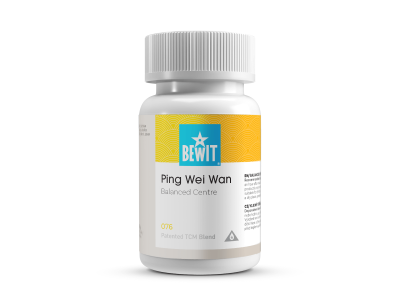
Wan 076 - Calm Centre - A blend traditionally focused on drying cold dampness in the centre of the body and the spleen and stomach area. It is especially suitable in late summer, when, according to TCM, it is advisable to care for your centre and support digestion. It is traditionally used for a feeling of heaviness in the body, bloating, slowed digestion, or fatigue after meals. Use according to the instructions of a certified TCM therapist, do not use during pregnancy.
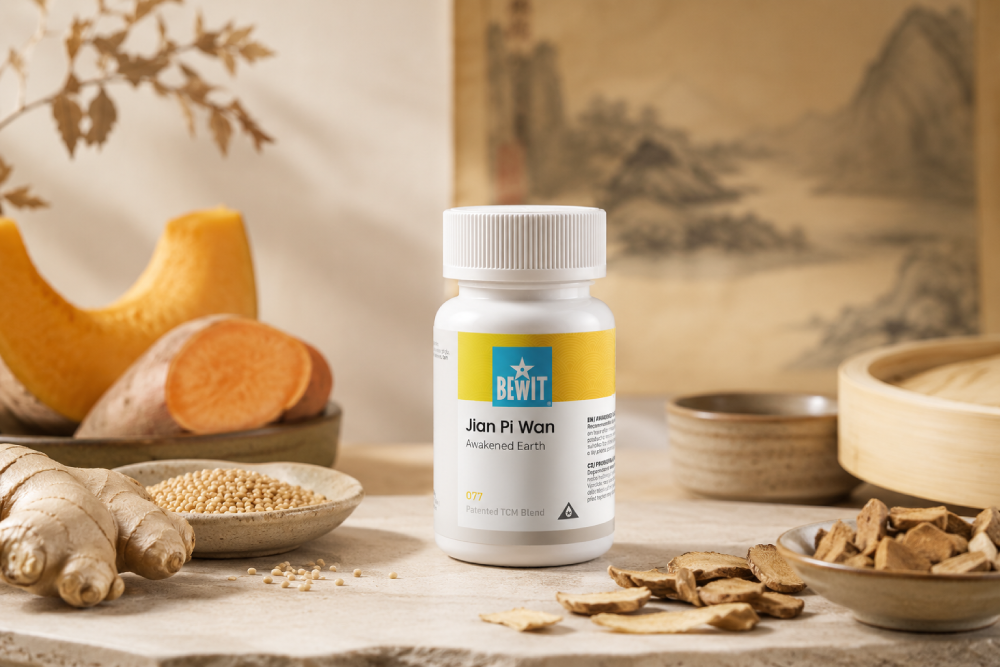
Wan No. 077 Awakened Earth or Jian Pi Wan thematically follows the onset of the Earth element in late summer. The blend is traditionally associated with the spleen and dampness drainage and naturally fits into a period when attention returns to the body's centre and digestion. It is suitable for a feeling of heaviness after meals and slowed digestion; do not use it in acute hot conditions with fever.
5. PRAWTEINS for August: lightness and care for the centre
PRAWTEINS, which are based on a combination of superfoods and natural ingredients in organic raw quality, fit well into the August period and naturally complement the seasonal regime of late summer.
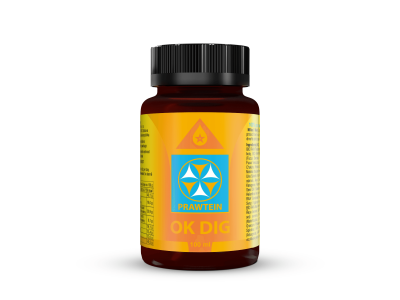
PRAWTEIN Ok Dig – thematically relates to a feeling of lightness and care for the body's centre.
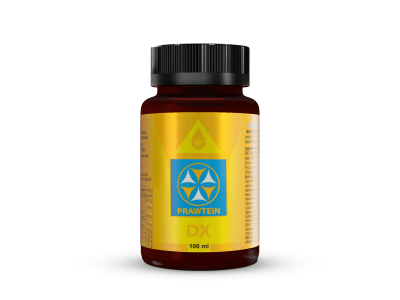
PRAWTEIN DX – thematically relates to the theme of natural cleansing and drainage, which resonates with late summer and fluid management.
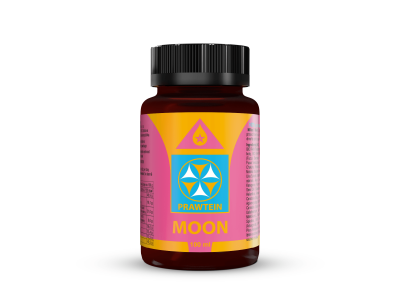
PRAWTEIN Moon – is dedicated to women and their natural cyclicity. It naturally complements the August theme of inner balance and harmony.
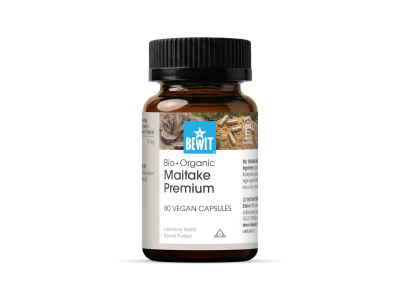
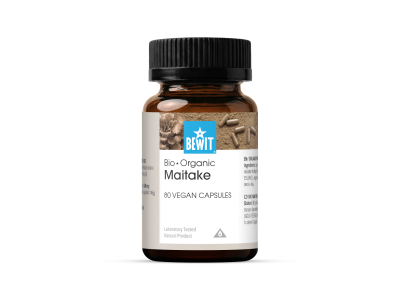
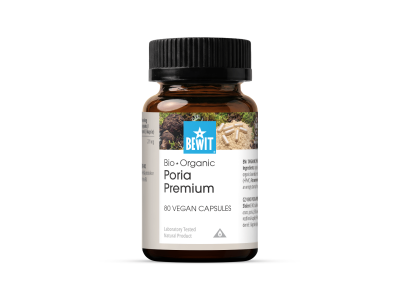
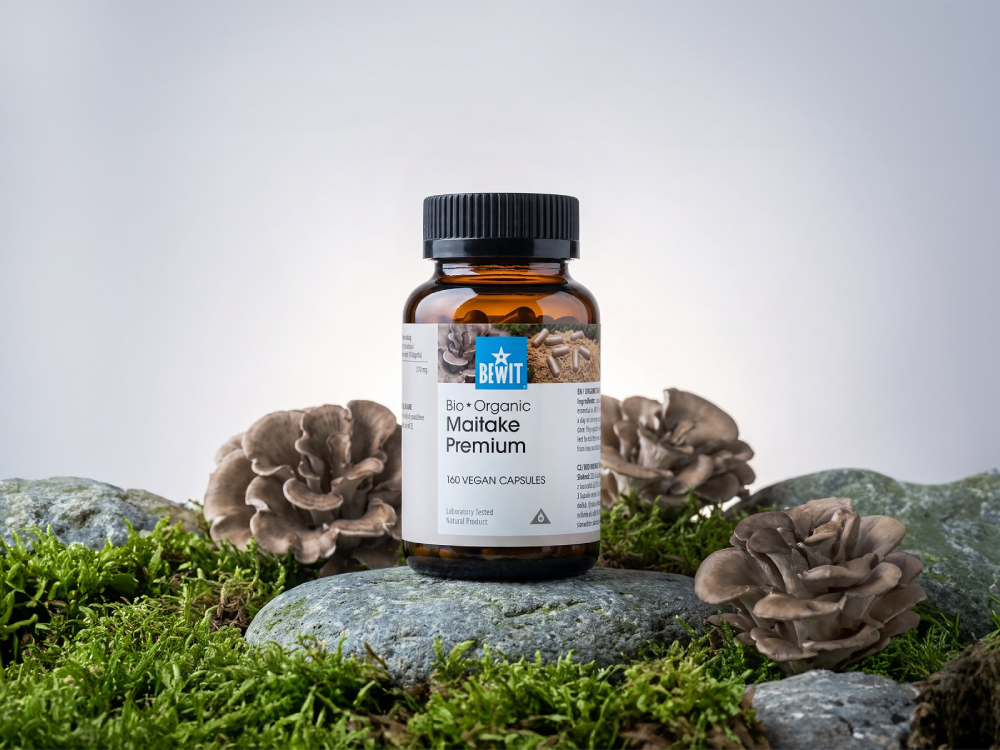
TIP: You can also try Poria for water drainage and Maitake for strengthening the centre.
6. Essential oils for August
Aromatherapy can well complement the overall tuning of body and mind in August. In the period of transition to late summer, essences that thematically relate to fluidity, grounding, and inner balance are naturally suitable.
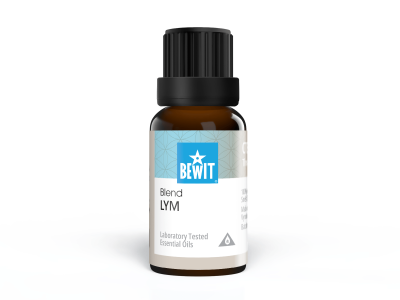
Essential blend Lym – relates to the theme of fluidity and lightness. Bring a feeling of freshness and natural flow into your day.
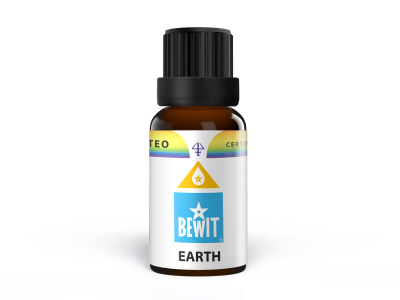
Essential blend Earth – directly relates to the energy of the Earth element, which emerges in late summer. Support a feeling of grounding, stability, and inner centre.
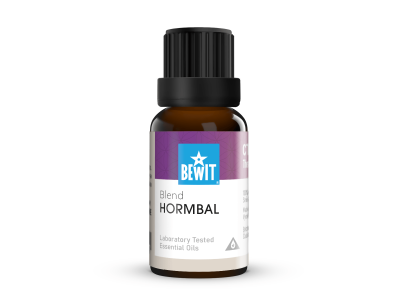
Essential blend Hormbal – thematically relates to the theme of inner and hormonal balance, which naturally comes to the forefront during the transitional period.
Essential blend Help Sp – complements the August theme of care for the body's centre and spleen, which receives special attention in late summer.
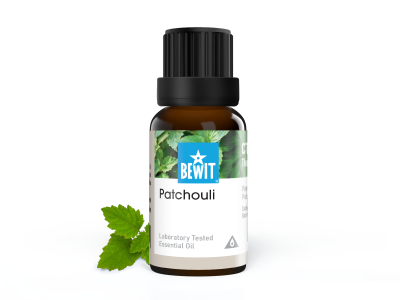
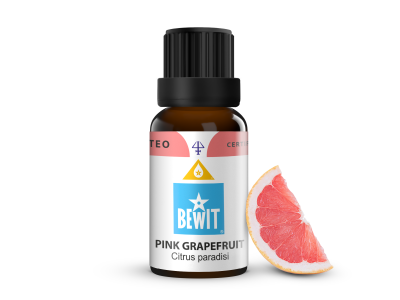
TIP: For a feeling of freshness and fluidity, you can also try single essential oils: Cypress, Grapefruit,Juniper or Patchouli.
.webp)
7. Focus on emotions and inner balance
August is not just about diet or movement, but also about working with emotions. The Earth element, which emerges in late summer, is associated with pensiveness and worry. In balance, it brings a feeling of grounding, stability, and care, but when overloaded, it can manifest as rumination, distraction, or a feeling of going in circles.
Late summer symbolically teaches us to return to our centre. To allow ourselves to slow down, settle, and perceive the end of summer without haste. Just as nature ripens and prepares for the next phase of the year, we too can use this time to calm down and gain stability.
It helps to learn to consciously slow down, perceive your feelings, and allow yourself space for peace. Moments in nature, by the water, time with loved ones, or simple self-care rituals will help you find balance and inner peace during this period.
8. Practical tips for every day
There is no need to make big changes. Just set aside at least a moment for yourself each day.
Start the day calmly – a few deep breaths or gentle stretching will help tune the body before the day begins.
Pay attention to your fluid intake – drink continuously and prefer room temperature water or warm herbal teas.
Choose warm and cooked food – millet, root vegetables, pumpkin, or stewed dishes will gently support the body's centre.
Get your body moving – go for a walk, swim, or stretch. Plan movement for the morning or evening.
Pay attention to your emotions – notice when the end of summer calms you and when you need to settle a distracted mind.
Rest in the shade – during the hottest part of the day, allow your body to slow down and replenish fluids.
Slow down in the evening – dim distracting stimuli and allow yourself a moment of silence or conscious breathing, so that your body and mind can transition into rest mode.
August as the month of the triple heater and return to the centre
August in the rhythm of TCM is a month of transition. The peak energy of summer slowly calms down, and the Fire element hands over its reign to the Earth element. The triple heater, i.e., thermoregulation and fluid management, comes to the forefront, and with it the body's centre – the spleen, stomach, and digestion.
If in August you choose warm and easily digestible food, regularly replenish fluids at room temperature, adapt your movement to the temperatures, and consciously slow down, you can experience the transition to late summer in comfort and balance and prepare your body and mind for the calmer rhythm of the upcoming period.
Use August as a time to care for the triple heater, fluids, and inner peace. Listen to your body, return to your centre, and tune into late summer.
What to remember from the article?
In Traditional Chinese Medicine, August is the period of late summer and the transition between the Fire and Earth elements. The main area of this month is the triple heater, which in Western understanding corresponds to thermoregulation and the body's fluid management. It connects breathing, digestion, and excretion and distributes energy and fluids throughout the body.
Late summer also opens the Earth element, which is associated with the spleen, stomach, and digestion. The spleen likes warmth, and therefore, in August, the body benefits most from warm, cooked, and easily digestible food, while cold and raw foods should be limited.
The key is to support smooth fluid flow and lymph, care for the body's centre, slow down, and consciously decelerate. It is enough to adapt your diet, replenish fluids at room temperature, move gently, and create small rituals of calm. This way, you will tune into late summer and prepare for the upcoming autumn period.
Glossary of terms
TCM (Traditional Chinese Medicine) – A health care system thousands of years old. It perceives the body as an interconnected whole and focuses on the balance of energy, lifestyle, emotions, and environment.
Triple Heater (San Jiao) – A functional system that in Western understanding corresponds to thermoregulation. It connects the upper, middle, and lower parts of the body and distributes energy and fluids. It regulates breathing, digestion, and excretion.
Earth Element – One of the five basic principles in TCM. It emerges in late summer and is associated with the spleen, stomach, and digestion, with the body's centre, nourishment, and a sense of grounding.
Spleen (Pi) – In TCM, a key organ for digestion and energy production from food. It likes warmth and regularity; cold and raw foods, on the other hand, weaken it.
Qi (chi) – Life energy that, according to TCM, flows through the body and keeps it functioning. In summer heat, some Qi can be lost along with heavy sweating.
Yin – A principle associated with nourishment, calm, cold, and bodily fluids. In summer, it is mainly discussed in connection with fluid loss through sweating.
Dampness (Shi) – In TCM, a factor that arises, among other things, from a weakened spleen or from an excess of cold and raw foods. It manifests as a feeling of heaviness, water retention, or oedema.
Lymph – A bodily system associated with the removal of waste products. Unlike blood circulation, it does not have its own pump, and therefore benefits from movement and gentle stimulation.
Wans – Traditional Chinese herbal blends in the form of pellets. These are food supplements inspired by the principles of Traditional Chinese Medicine.
Visit the TCM category and explore our complete range of all Wans.
Related products