



 Български
 Čeština
 Deutsch
 Eesti
Eesti
 Español
 Français
 Hrvatski
 Italiano
 Latviešu
 Lietuvių
 Magyar
 Nederlands
 Norsk
Norsk
 Polski
 Português
 Română
 Русский
 Slovenčina
 Slovenščina

SPF 10, 30, or 50? Mineral or synthetic UV filter? Water-resistant, moisturising, natural? When choosing a sunscreen, you may encounter a number of labels that don't immediately make it clear what is truly important for you.
Moreover, the SPF number alone is not the only factor you should consider. The right sunscreen should match how long you will be in the sun, how intense the sun's rays will be, how sensitive your skin is, and whether you will be swimming or exercising.
So, what should you choose based on? Focus on six features that will help you find the right sunscreen for your summer plans.
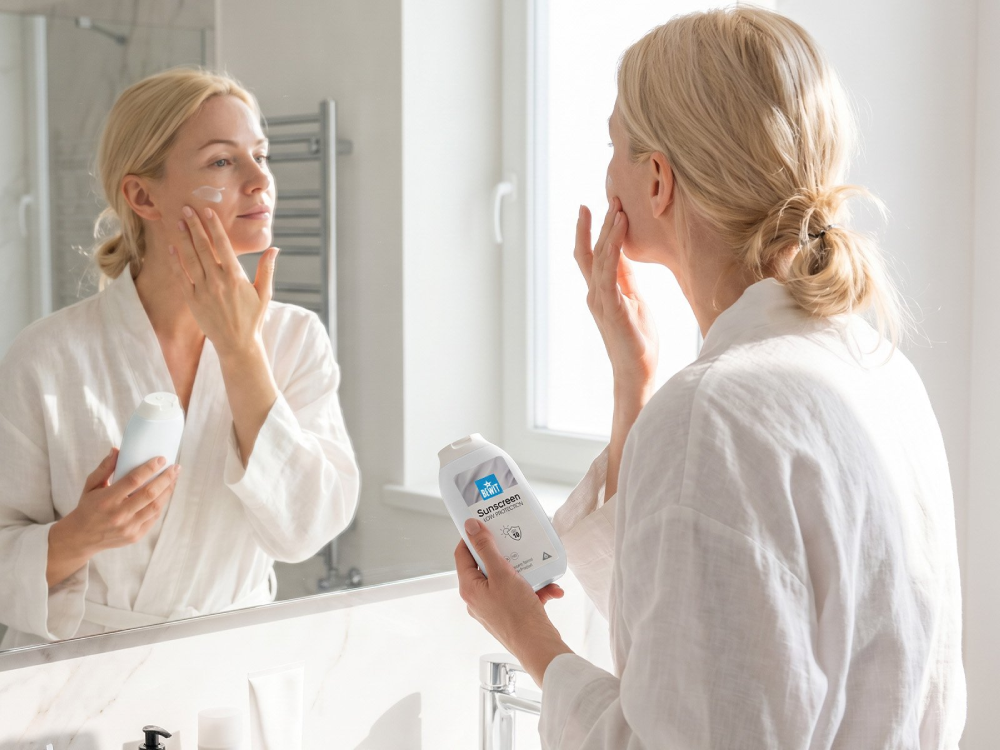
Choose your sunscreen based on how you'll spend your day
A commute to work, a short walk, or an afternoon in the garden is different from several hours in direct sunlight by the sea, in the mountains, or during a full-day trip.
When choosing, therefore, consider primarily the duration and intensity of sun exposure, the sensitivity of your skin, and your planned activity. Will you be mostly in the city, exercising, swimming, or spending most of the day outdoors?
For a normal day and shorter outdoor exposure, lower protection may be suitable. However, for intense sun exposure, longer periods outdoors, by the water, or in the mountains, opt for a higher protection factor.
1. Choose an SPF appropriate for sun exposure
SPF, or Sun Protection Factor, indicates the level of protection primarily against UVB radiation, which significantly contributes to sunburn.
However, this does not mean that with SPF 10 you can always stay in the sun exactly ten times longer. The resulting protection is influenced by the amount of product applied, the intensity of the radiation, your phototype, sweating, swimming, wiping the skin, and the regularity of reapplication.
Therefore, choose the protection factor according to the specific situation:
- for shorter, normal outdoor exposure, lower protection may be sufficient,
- for longer exposure to direct sunlight, choose a higher SPF,
- do not underestimate protection by the sea, in the mountains, during sports, or for sensitive skin,
- for small children and infants, a lower SPF is not suitable.
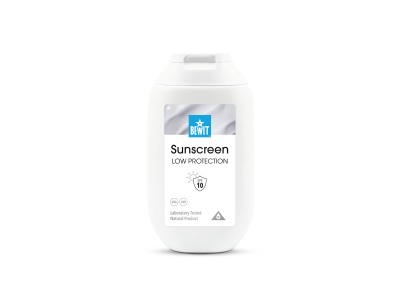
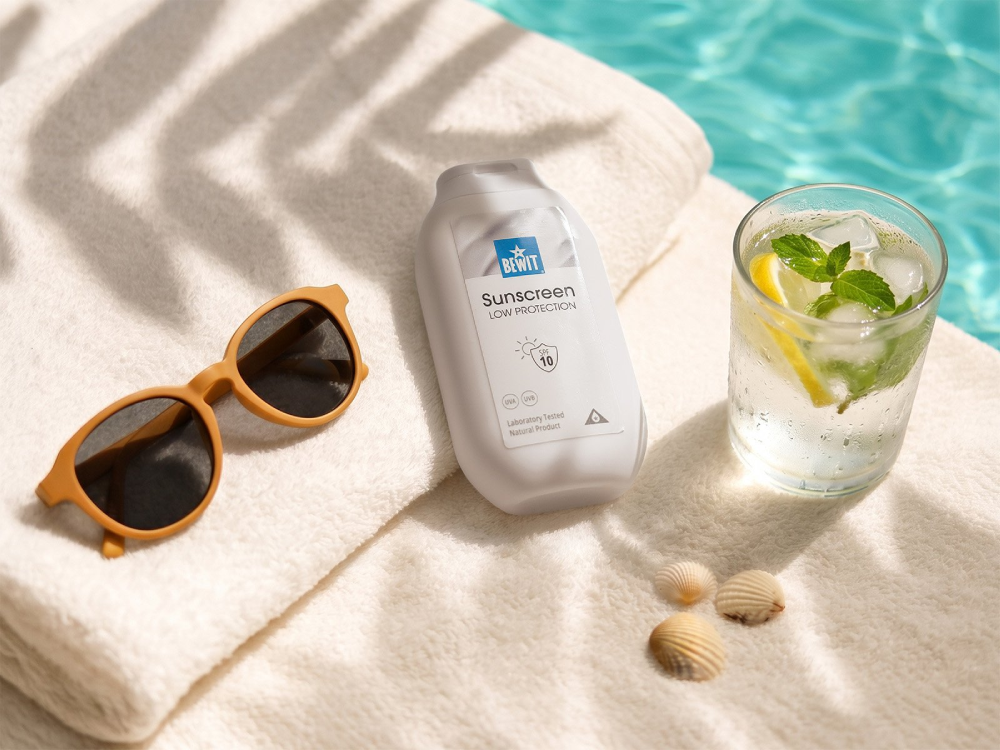
BEWIT Sunscreen SPF 10 is primarily intended for normal spring and summer days, daily movement, and shorter outdoor exposure without prolonged exposure to intense direct sunlight.
2. Look for protection against both UVA and UVB radiation
UVA and UVB are two types of ultraviolet radiation that affect the skin in different ways.
UVB radiation primarily affects the superficial layers of the skin and is associated with redness and sunburn. UVA radiation penetrates deeper and contributes to long-term skin changes, such as premature ageing.
A quality sun protection product should therefore not only protect against UVB radiation, to which the SPF value relates. Adequate protection against UVA radiation is also important.
BEWIT Sunscreen SPF 10 uses a mineral UV filter based on zinc oxide, which provides protection against both types of radiation.
3. Check what UV filter the product contains
The protection factor is important, but it's also worth looking at the type of UV filter used. If you prefer natural cosmetics, you can opt for a mineral sunscreen.
The formulation of BEWIT Sunscreen SPF 10 is based on zinc oxide in non-nano form. This is the only UV filter used in this product. The cream therefore does not contain synthetic UV filters or titanium dioxide. The liquid form of zinc oxide was also chosen with easier application on the skin in mind.
When choosing, therefore, do not just look at the front of the packaging. Also, check the ingredients and find out what filters the declared protection is based on.
4. The cream should spread evenly
A sun protection product can only provide the stated level of protection if you apply it in sufficient quantity and create an even layer on the skin.
However, a white film, chalky feel, or difficult spreading are common reasons why people do not apply mineral sunscreens in the required amount.
BEWIT Sunscreen SPF 10 therefore combines liquid zinc oxide with a natural SPF booster based on turmeric root extract. In the formulation, this supports the effectiveness of the mineral filter and helps to limit the clumping of zinc oxide. This allows the mineral component to spread more evenly into a continuous layer, which helps to reduce the formation of a prominent white film.
5. Water resistance is useful for swimming and sports
You don't just appreciate water-resistant sunscreen on the beach or by the pool. During hot days, sweating also comes into play, for example, when hiking, running, cycling, gardening, or taking a longer walk.
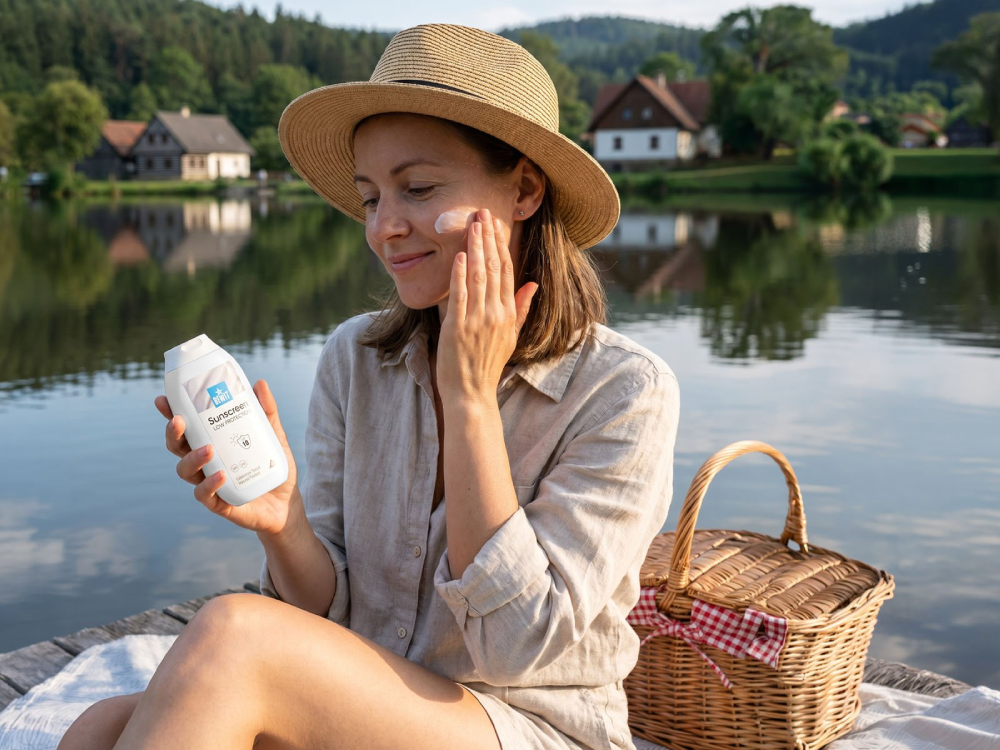
BEWIT Sunscreen SPF 10 is highly water-resistant. The overall properties of the formulation are contributed to by, for example, organic MCT coconut oil, organic jojoba oil, organic shea butter, and squalane.
However, water resistance does not mean that the cream only needs to be applied once in the morning. The protective layer needs to be regularly renewed, especially after swimming, heavy sweating, or towel drying. Even a water-resistant product does not provide unlimited protection.
6. Caring ingredients help keep skin comfortable
Sun, wind, heat, salty or chlorinated water, and more frequent showering can dry out the skin. Therefore, it makes sense to check whether the sun protection product also contains moisturising and emollient ingredients.
In the formulation of BEWIT Sunscreen SPF 10, you will find, for example:
- panthenol, which helps maintain skin hydration and comfort,
- hyaluronic acid, known for its hydrating properties,
- squalane, a light lipid similar to components of the natural skin film,
- organic jojoba oil, which softens the skin,
- organic shea butter, suitable for dry skin care,
- organic MCT coconut oil with a light texture,
- vitamin E and phytic acid, which complement the caring nature of the formulation.
This sunscreen therefore not only combines a mineral UV filter with low SPF 10 protection but also ingredients focused on hydration, softening, and supporting the natural skin barrier.
BEWIT Sunscreen SPF 10: mineral protection for everyday use
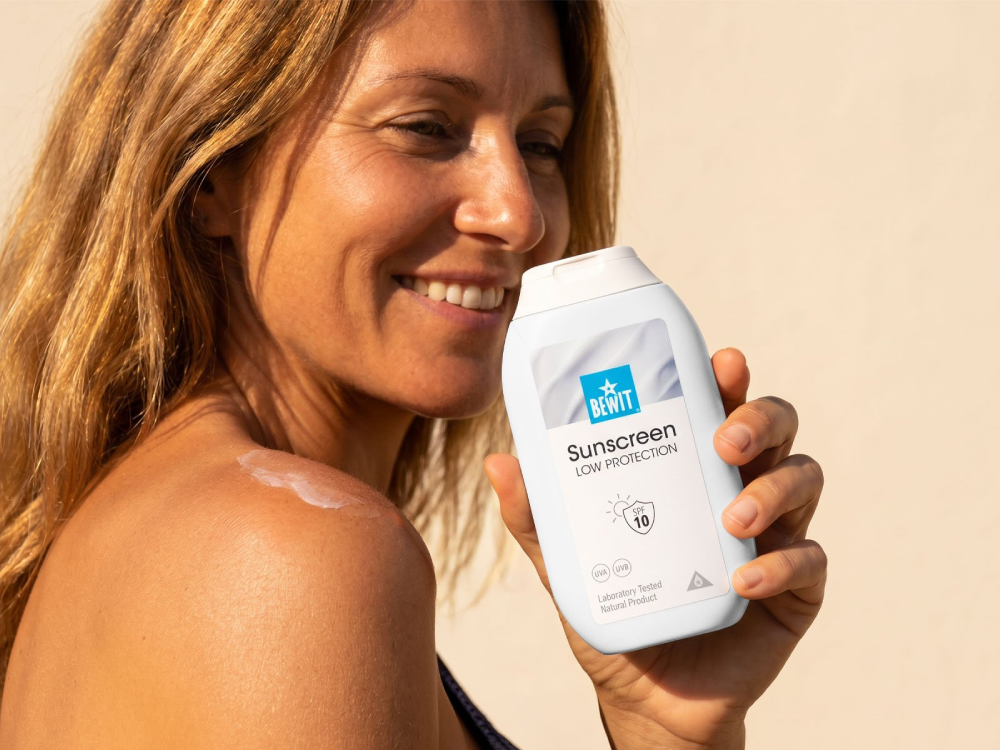
BEWIT Sunscreen SPF 10 was created for times when you are looking for a caring body cream with lower mineral UV protection for everyday use and shorter outdoor exposure.
Its formulation combines:
- lower SPF 10 protection,
- protection against both UVA and UVB radiation,
- mineral UV filter based on non-nano zinc oxide,
- natural SPF booster from turmeric root,
- high water resistance,
- moisturising and emollient ingredients,
- a formulation free from microplastics, silicones, and synthetic UV filters.
The product is suitable for vegans and naturally preserved. It has a richer creamy texture, a neutral scent, and leaves a delicate caring film on the skin after application. It is available in 100 and 200 ml packaging.
However, for longer exposure to intense sun, holidays by the sea, mountain hiking, or very sensitive skin, a higher protection factor should be chosen.
How to use sunscreen correctly
Even a well-chosen sunscreen will not provide the expected protection if applied too sparingly or unevenly. Shake BEWIT Sunscreen SPF 10 thoroughly before use. Apply a sufficient amount of the product to the skin of the entire body before sun exposure and spread carefully.
Do not miss the shoulders, back, décolletage, insteps, backs of the legs, or other areas that are often forgotten during application. For the entire body of an average adult, approximately six teaspoons of the product are generally recommended.
Reapply regularly, especially:
- after swimming,
- after towel drying,
- when sweating heavily,
- if the cream has rubbed off the skin.
Sunscreen is also not the only part of sun protection. During intense radiation, seek shade and protect your skin with appropriate clothing, headwear, and sunglasses.
What to use after sun exposure?
Skin care doesn't end when you come in from the sun. After showering, give it hydration, soothing, and pleasant refreshment.
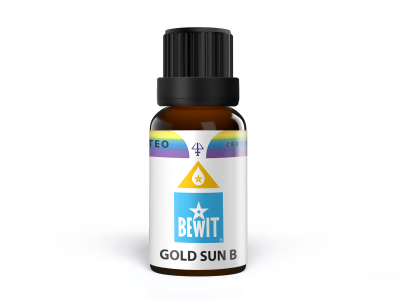
You can include, for example, BEWIT Sun Serum in your summer routine, which is designed for post-sun skin care. You can also supplement it with a blend of Gold Sun B or refreshing hydrolate.
So, how do you recognise a quality sunscreen?
When choosing, don't just look at the SPF number. Also consider:
- whether the protection factor corresponds to your planned sun exposure,
- whether the product protects against both UVA and UVB radiation,
- what UV filter it uses,
- whether it spreads easily and evenly,
- whether it is water-resistant,
- what caring ingredients the formulation contains.
Remember that even a high SPF cannot replace proper application. Apply sunscreen in sufficient quantity, renew its layer regularly, and always adapt protection to current conditions.
Frequently Asked Questions about Sunscreens
What does SPF mean?
SPF, or Sun Protection Factor, indicates the level of protection primarily against UVB radiation, which is associated with sunburn. It is not an exact figure for the number of minutes you can safely spend in the sun.
What is the difference between UVA and UVB radiation?
UVB radiation primarily acts on the superficial layers of the skin and significantly contributes to sunburn. UVA radiation penetrates deeper and is mainly associated with long-term changes and premature skin ageing.
Which sunscreen to choose?
When choosing, consider your phototype, skin sensitivity, duration of outdoor exposure, intensity of solar radiation, and planned activity. Also, look for protection against both UVA and UVB radiation, water resistance, the type of UV filter, and whether the product's texture suits you.
What protection factor should I choose?
For longer outdoor exposure, holidays by the sea, mountain stays, or intense solar radiation, it is advisable to choose a higher protection factor. SPF 10 offers lower protection and is more suitable for shorter, normal outdoor exposure.
How often should I apply sunscreen?
When outdoors, renew the protective layer approximately every two hours. Reapply the cream after swimming, heavy sweating, or towel drying.
How much sunscreen should I use?
Too little product reduces the achieved level of protection. For the entire body of an average adult, approximately six to eight teaspoons of sun protection product are generally recommended.
When should I apply sunscreen before sun exposure?
Apply the sun protection product before going outdoors and allow it to spread evenly over the skin. General recommendations suggest applying approximately 15 to 30 minutes before sun exposure; however, always follow the instructions of the specific product.
What is the difference between mineral and chemical sunscreen?
The difference lies primarily in the UV filters used. Mineral sun protection products use, for example, zinc oxide or titanium dioxide, while other products contain organic UV filters. BEWIT Sunscreen SPF 10 is based on non-nano zinc oxide and does not contain synthetic UV filters.
Does water-resistant sunscreen need to be reapplied?
Yes. Water resistance does not mean that the product will stay on the skin all day. Reapply it after swimming, towel drying, heavy sweating, and regularly during further outdoor exposure.
Can I still get a tan with sunscreen on?
Yes, no sunscreen blocks all UV radiation. However, its main purpose is not to promote tanning, but to help protect the skin from the harmful effects of solar radiation. Therefore, even when using cream, do not stay in direct sunlight for unnecessarily long periods.