


 Български
 Čeština
 Deutsch
 Eesti
Eesti
 Español
 Français
 Hrvatski
 Italiano
 Latviešu
 Lietuvių
 Magyar
 Nederlands
 Norsk
Norsk
 Polski
 Português
 Română
 Русский
 Slovenčina
 Slovenščina
Did you know that Traditional Chinese Medicine (TCM) assigns a different organ or bodily system to each month? In July, according to TCM, you should focus on blood circulation and the pericardium. Summer heat places increased demands on the heart and blood vessels, and the intense pace of holiday days can also affect our emotional balance.
Find out how to look after yourself in July, what to eat, what to avoid, and why internal restlessness, heat fatigue, or a feeling of heavy legs can appear precisely at the height of summer. We'll advise you on how to be in harmony with July according to TCM, boost your summer energy, and enjoy summer to the fullest.
What is typical for July in TCM
In Traditional Chinese Medicine, July is associated with the peak of summer and the full power of the Fire element. Energy is at its maximum, days are long, temperatures are high, and everything naturally draws us outdoors. It's a time for travel, socialising, movement, laughter, and joy of life.
As in June, the energy of Fire remains very intense. In July, however, we focus more on its flow. The body copes with high temperatures and increased sweating, so it's crucial not to overheat the body, not to overexert yourself, and to pay attention to what we eat and drink.
The main organ of July is the pericardium, which is closely connected to the heart. While the heart in TCM is considered the Emperor of the body and governs blood and blood vessels, the pericardium acts as its protector. It protects the heart from the harmful effects of summer heat, cold, and disharmonious Qi.
Season: summer (peak)
Month: July – period of peak summer energy, travel, and joy
Element: Fire – symbol of joy, expansion, openness, and passion
Energy direction: fully outwards – energy flows, risk of overheating and exhaustion
Typical climatic influence: heat + sweating and fluid loss
Symbolism of the period: the heart as the Emperor and the pericardium as its Bodyguard
Main organ: pericardium
Related organ: heart (Xin)
Main area: heart, pericardium, blood vessels, and blood circulation
Heart function according to TCM: governs blood and blood vessels, stores the Shen spirit, and is related to emotions
Pericardium function: protects the heart from the harmful effects of summer heat, cold, and disharmonious Qi
Manifestation of imbalance: internal restlessness, emotional overload, eagerness, heat fatigue, breathlessness, heavy legs
Colours: red – vitality, joy, and fire
Emotions: joy / excessive joy + openness, laughter, and passion, but also restlessness and overstimulation
Natural bodily need: care for blood circulation and blood vessels, sufficient fluids, light diet, natural movement, and emotional balance
Why blood circulation and the pericardium are important in July according to TCM
Blood circulation and the pericardium are closely linked to the intensity of peak summer during this period. High temperatures, sweating, increased physical activity, and travel can gradually exhaust the body. How well the body manages to maintain energy in its natural flow can therefore significantly reflect how we feel physically and mentally in July.
In Traditional Chinese Medicine, the heart is seen as the supreme Emperor. It is not just a physical organ, but in TCM, the heart represents an entire system that governs blood and blood vessels and also stores the Shen spirit. This is related to emotions, consciousness, and clarity of mind. When the heart is in balance, we naturally feel joy, openness, and a desire to share.
However, according to TCM, the Emperor needs protection. For this, he is served by the pericardium, which acts as his loyal Bodyguard. It intercepts the first onslaught of harmful influences and protects the heart from scorching summer heat, cold, and disharmonious Qi. In a broader sense, it is also related to strong emotions, stress, and emotional overload.
Joy is the natural emotion of the heart and summer. In balance, it brings openness, laughter, passion, and the joy of life. July is a month filled with experiences, love, travel, and strong emotions. However, when there are too many stimuli, natural summer joy can turn into internal restlessness, eagerness, or a feeling of being overwhelmed.
The heart is also the governing organ of blood in TCM. Through blood circulation, nutrients, enzymes, oxygen, and hormones are delivered throughout the body. This is why July is an ideal time to proactively focus on blood vessels, circulation, and emotional balance before the cup, so to speak, overflows.
How you might feel in July
July isn't just about the joy of holidays, long evenings, and summer sun. Along with maximum energy comes the risk of overload. Heat, heavy sweating, travel, and a large number of activities can gradually exhaust both body and mind.
When everything is in balance, you feel openness, joy of life, and a desire to connect with people. You have energy, you laugh, you create, and you can truly enjoy the summer. Joy brings lightness, passion, and a feeling of vitality.
However, when overloaded, internal restlessness, eagerness, emotional overwhelm, or distractibility can appear. Heat fatigue, breathlessness, a feeling of heavy legs, or the impression that everything is too much can also be added.
Furthermore, in summer heat, due to heavy sweating, according to TCM, we not only lose fluids, i.e., Yin, but vital Qi energy also leaves the body with sweat. The body has to exert more effort on hot days, and therefore summer fatigue and exhaustion can appear more easily.
Support your body and mind in July according to TCM
1. Diet in harmony with July according to TCM
July's diet should be light, fresh, and seasonal. At the height of summer, it's important not to burden the body with heavy food and to focus on sufficient fluids and foods that naturally complement the summer diet.
Water-rich foods – watermelon and cucumbers. In traditional Chinese dietetics, watermelon is a typical summer food and naturally fits into the hot season.
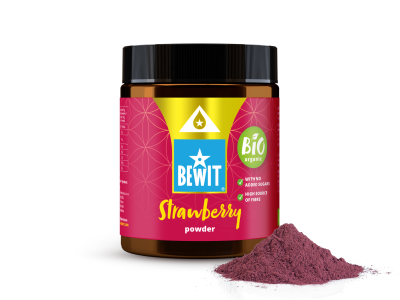
Red foods – sweet cherries, strawberries, and beetroot. According to the Five Elements theory of TCM, the colour red corresponds to the Fire element and the energy of the heart.
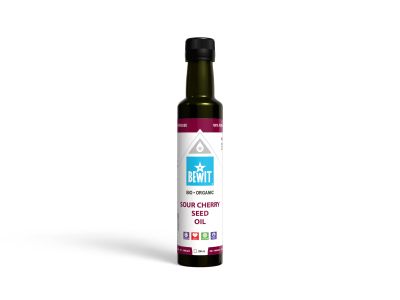
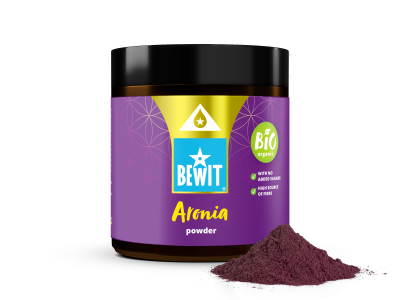
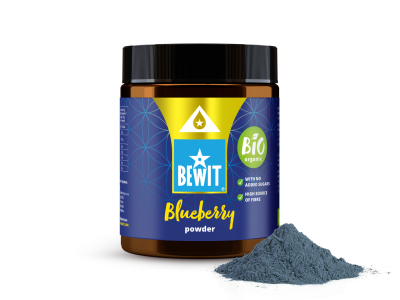
Berries – blueberries and cranberries. Together with aronia and sour cherries, they complement a varied summer diet well.
Light and seasonal foods – leafy greens, millet, corn, and rice. They bring lightness to the diet and can be easily combined with fresh or lightly cooked vegetables.
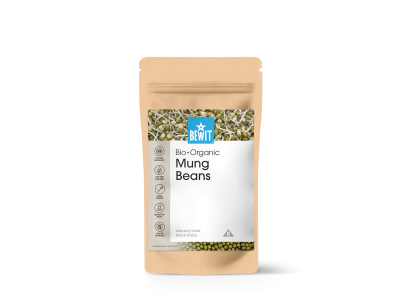
Legumes – mung beans and adzuki beans. Mung beans are associated with dispelling heat in traditional Chinese dietetics and naturally fit into the summer period.
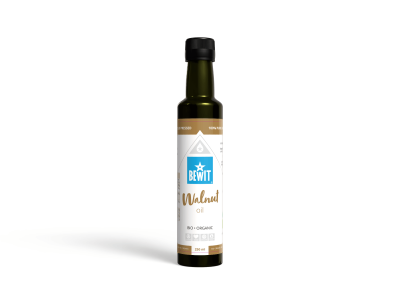
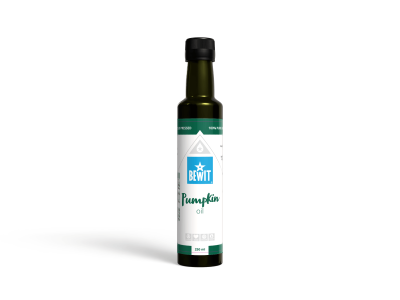
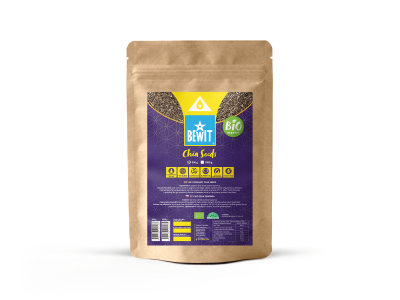
Seeds and cold-pressed oils – hemp seeds, chia seeds, flaxseed oil, pumpkin seed oil, or walnut oil. They are suitable for salads, porridges, and other light summer dishes.
Plenty of fluids – pure water and fresh fruit or vegetable juices. Hydration is especially important at the height of summer. Prefer room temperature water and drink continuously throughout the day.
Herbal teas – lemon balm, nettle, dandelion, birch, hawthorn, or ginkgo. Peppermint tea is also a great summer addition, which in traditional understanding pleasantly cools the body's surface and thematically fits into the summer heat period.
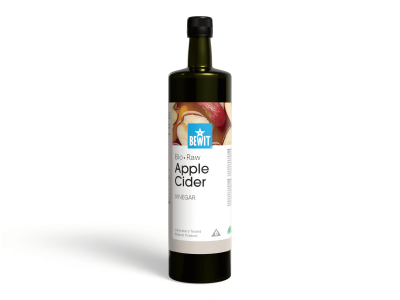
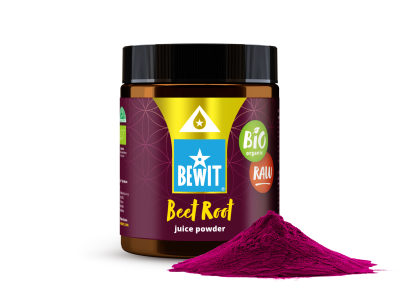
Superfoods that thematically link to July's energy. Try, for example, beetroot powder, aronia, blueberries, or sour cherry powder. You can also supplement your summer diet with Aloe vera or apple cider vinegar.
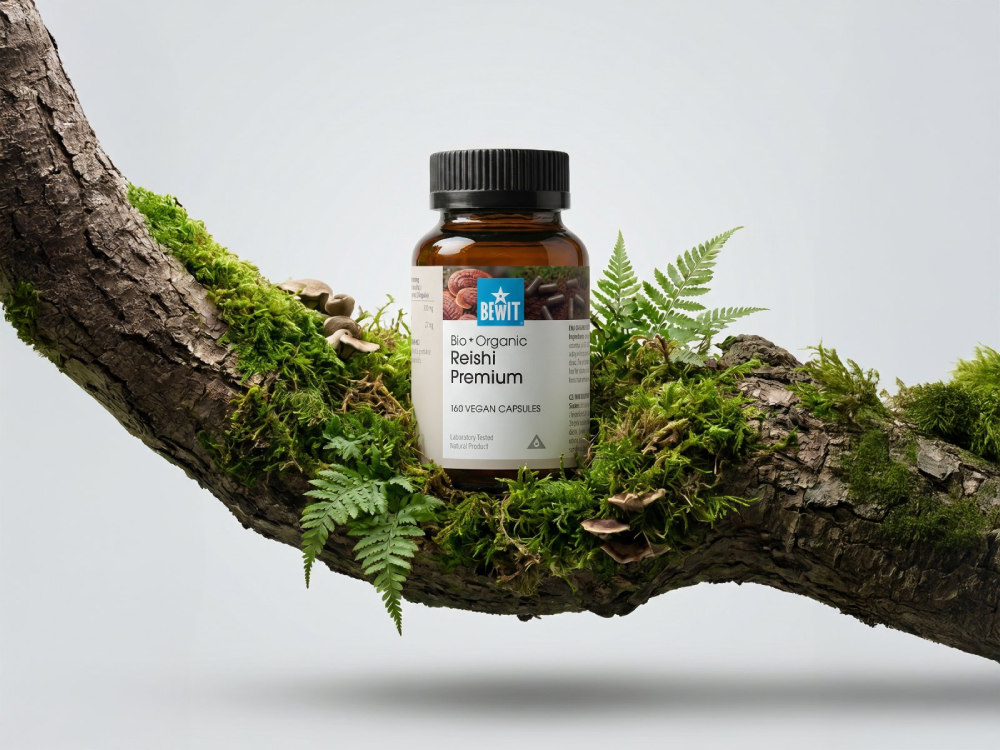
You can also include Reishi, or Lingzhi mushroom, a traditionally valued vital mushroom associated with harmony and balance, in the July period. It therefore thematically fits well into a period when intense summer stimuli can bring distractibility and restlessness.
TIP: Buckwheat is a known source of rutin. In summer, however, its grain may be unnecessarily heavy for some people to digest. A light option is tea made from buckwheat herb and flowers, which naturally contains rutin and thematically links to July's care for blood vessels.
2. What to avoid in July
Just as important as what to include is avoiding what unnecessarily burdens the body in the summer heat. In July, it is advisable to lighten the diet and limit animal fats, cow's milk products, excess sugar, alcohol, and salt.
Also, be careful with ice-cold drinks. Although cold tolerance depends on individual constitution, according to TCM, they are a burden for most people. Very cold drinks burden the so-called digestive fire, because the body has to expend energy to warm it up.
Extreme cold, according to TCM, also cools the energy of the spleen, which is related to digestion, and can affect the natural flow in the body. Drinks should therefore ideally be at room temperature.
Caution is also advisable with excessive raw food. Salads, fruits, and vegetables naturally belong to summer, but an excess of raw foods can, according to TCM, weaken digestion and promote the formation of dampness. July's diet should be based on lightness and freshness, but still respect the body's individual needs.
3. Movement and routine: how to boost summer energy
At the height of summer, it's crucial to stay active while not overexerting yourself. July invites travel, excursions, sports, and long days outdoors, but high temperatures can exhaust the body more quickly.
It's advisable to plan exercise for the morning or evening, before it gets too hot. Evening walks in nature, gentle stretching, yoga, breathing exercises, or swimming are suitable.
During the day, protect yourself from overheating and rest in the shade. During activity, remember to drink plenty of room temperature fluids and don't wait until you feel very thirsty.
In summer heat, due to heavy sweating, not only Yin fluids are lost. From a TCM perspective, vital Qi energy also leaves the body with sweat, which is why we can feel tired and lacking energy after a long day in the sun or intense sport.
July is not a period when you need to push your limits at all costs. It's important to listen to your body and recognise in time when it needs movement and when it needs rest.
4. Wans for July: dispelling excess heat and support on hot days
The July period naturally includes blends that resonate with the theme of peak summer, the Fire element, summer heat, and fluid loss. The energy of this month can be very intense, so it makes sense to balance it with gentle support.
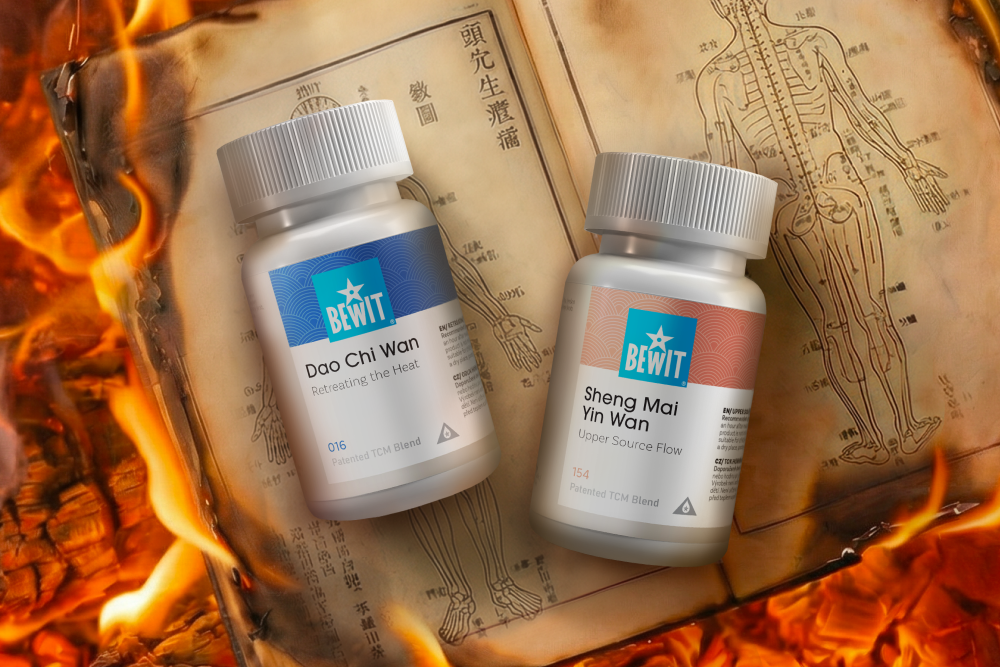
Wan No. 016 Heat Drain, or Dao Chi Wan is based on a classic Traditional Chinese Medicine formula. According to TCM, the heart functions as the governing organ of blood, and the blend traditionally works with the theme of dispelling excess heat and calming internal tension. It therefore naturally fits into a period when summer heat can burden the heart, blood vessels, and emotional balance. Not suitable for very cold-sensitive individuals without signs of heat.
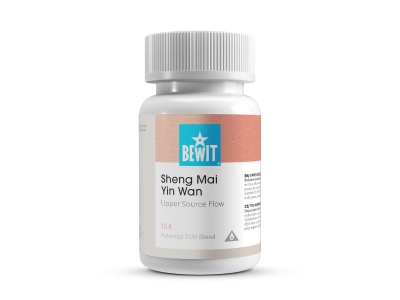
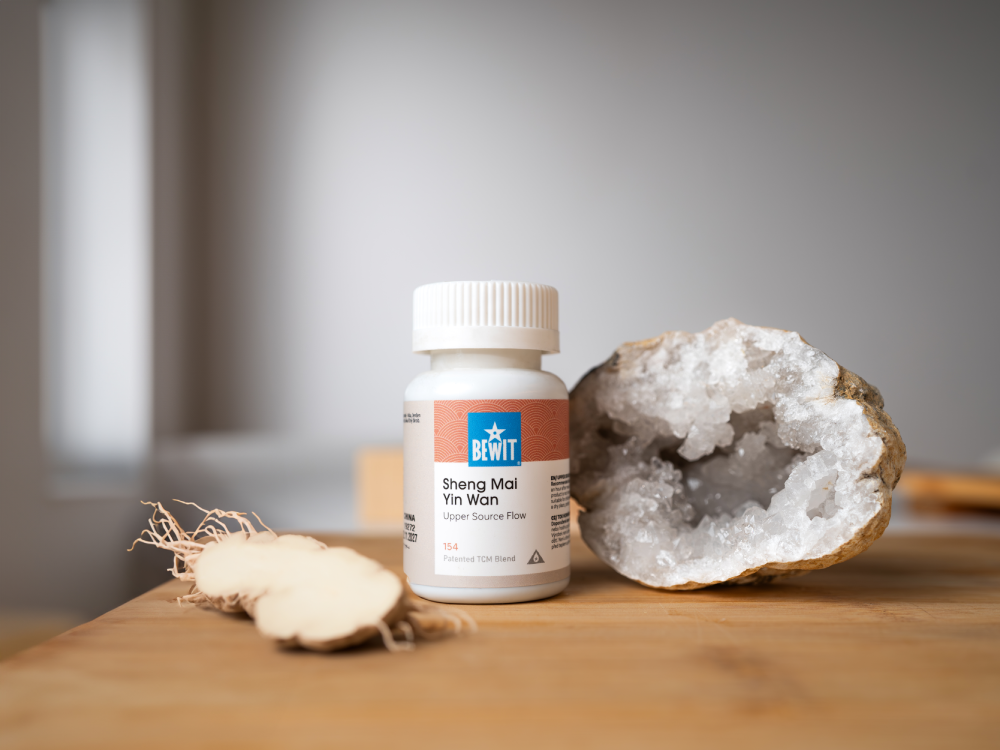
Wan No. 154 Flow of the Upper Spring, or Sheng Mai Yin Wan thematically follows the period of summer sweating. In summer heat, according to TCM, we lose Yin fluids and vital Qi energy through sweating. The blend is traditionally associated with replenishing fluids, vitality, and support during periods of sweating. It therefore naturally fits into days associated with summer fatigue and energy loss due to heat. Do not use during acute viral infections with fever or significant phlegm.
5. PRAWTEINS for July – inner rhythm and balance at the height of summer
PRAWTEINS, which are based on a combination of superfoods and natural ingredients in organic raw quality, fit well into the July period and naturally complement the summer routine.
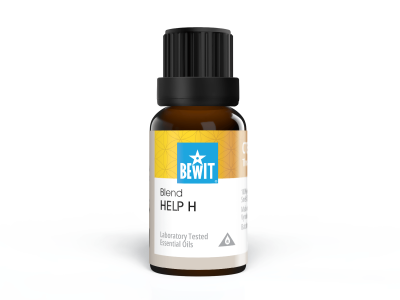
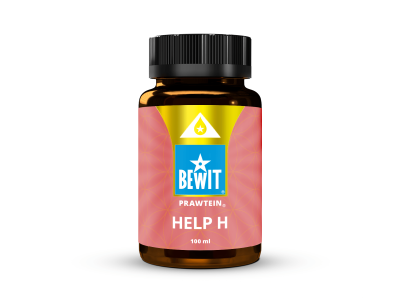
PRAWTEIN Help H – a beneficial supplement for your centre. Thematically linked to the inner rhythm and overall support of the body's centre. It corresponds well to the July period and the theme of the heart.
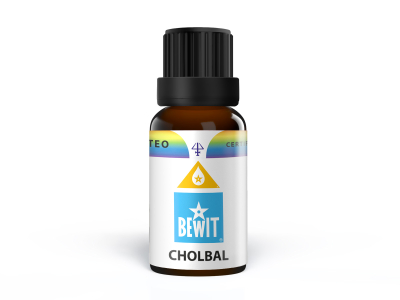
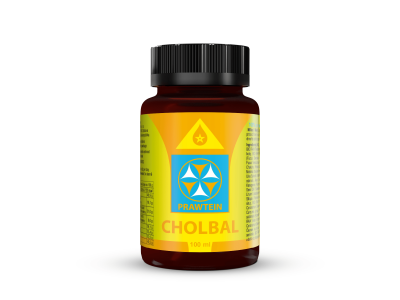
PRAWTEIN Cholbal – a comprehensive blend that naturally fits into the care for balance and long-term vitality.
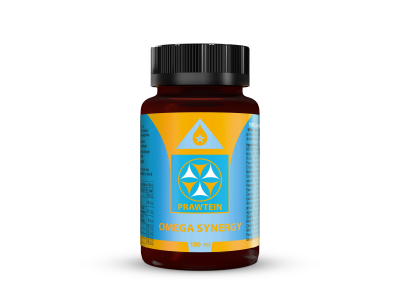
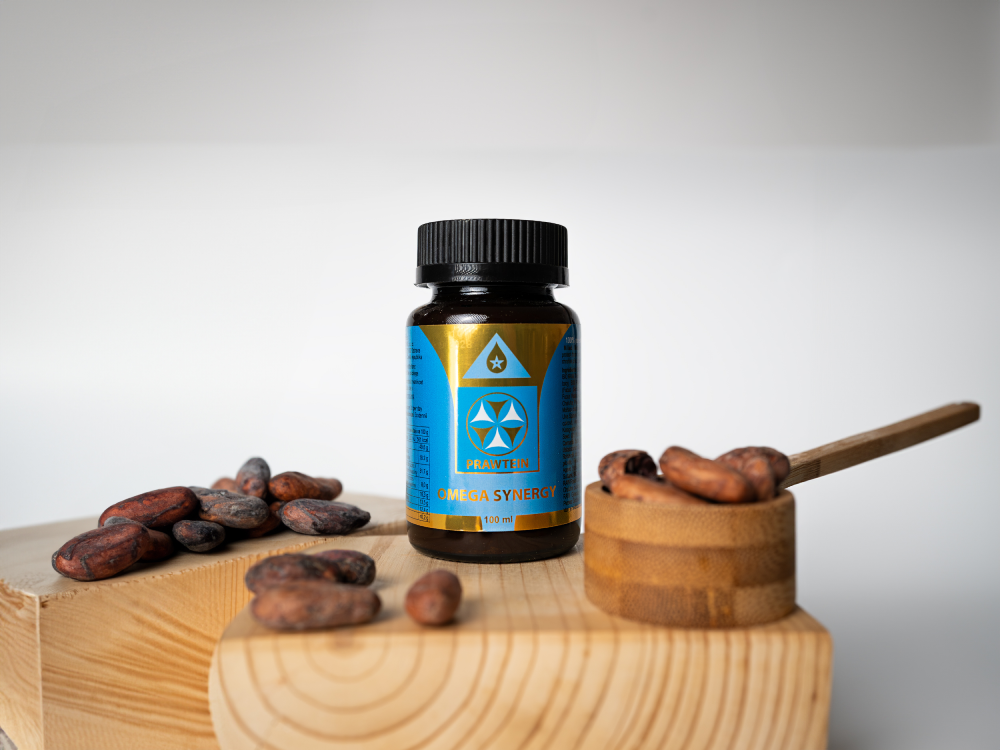
PRAWTEIN Omega Synergy – quality fats for daily nutrition. Naturally complements a light summer diet along with seeds and cold-pressed vegetable oils.
6. Essential oils for July
Aromatherapy can complement the overall mood of body and mind well in July. At the height of summer, when energy is at its maximum and the Fire element brings joy, passion, and a large number of stimuli, essences that thematically relate to joy and inner balance are naturally suitable.
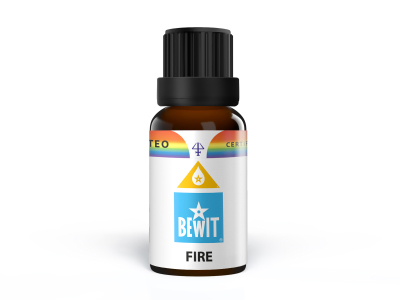
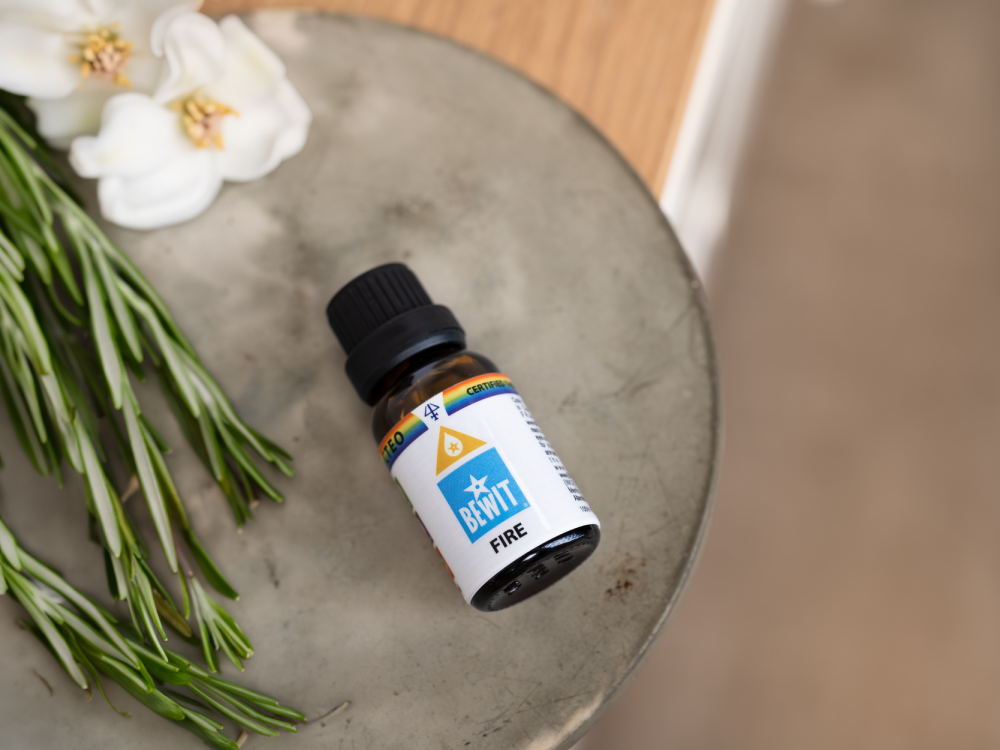
The Fire essential blend directly connects to the energy of the Fire element, which is closely associated with July and summer. Support the Fire element and experience a feeling of satisfaction, fulfilment, and joy. Put a few drops in a diffuser and let the precious essential oils permeate you.
The Help H essential blend works with the theme of inner rhythm. Harmonise the body with the inner rhythm of your heart during a period when you need balance.
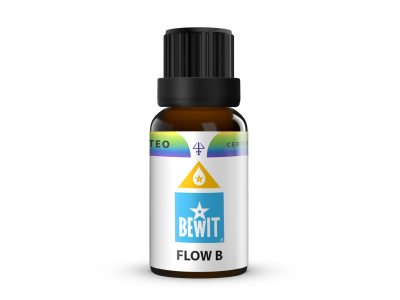
The Flow B essential blend naturally links to July's theme of flow. Bring a feeling of lightness and natural flow into your day.
The Cholbal essential blend complements July's theme of vitality and balance.
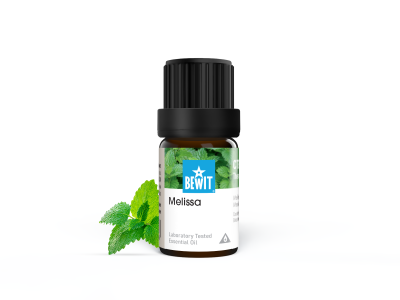
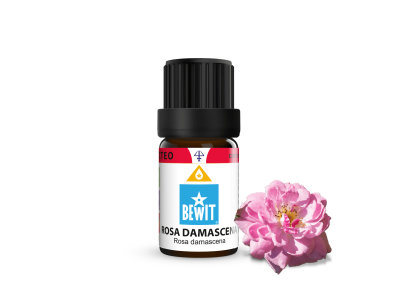
TIP: For targeted relief of the Pericardium, include single essential oils: you can also try Rose (heals emotions and releases tension), Lemon Balm (helps to calm a restless mind) or Ylang Ylang to release inner tension and induce a feeling of joy and safety.
7. Focus on emotions and inner balance
July is not just about diet or exercise; working with emotions is equally important. Joy is the natural emotion of the heart and summer in TCM. In balance, it brings openness, laughter, passion, and a desire to live life to the fullest.
In practice, this can manifest as feeling more open to connecting with people, wanting to travel, share experiences, and enjoy long summer days.
Conversely, an excess of joy and stimuli can, according to TCM, lead to restlessness, eagerness, and a feeling of an overheated mind. Constant travel, summer events, social contact, and a lack of quiet time can gradually create a feeling that everything is too much.
The pericardium plays the role of the heart's protector in TCM. The July period thus symbolically teaches us to protect our emotional space as well. To allow ourselves joy, but to recognise our own boundaries. To share and be among people, but also to allow ourselves time to recharge our energy.
It helps to consciously slow down, perceive your feelings, and make space for both joy and calm. Moments in nature, time by the water, time spent with loved ones, or simple self-care rituals will help you find balance during this period.
8. Practical tips for every day
There's no need to make big changes. Just set aside at least a moment for yourself each day.
Start the morning with light movement – a few deep breaths, stretching, or a short walk will help get the energy flowing before the highest daily temperatures arrive.
Pay attention to hydration – drink continuously throughout the day and don't wait for strong thirst. Prefer room temperature water.
Lighten your diet – watermelon, cucumbers, leafy greens, beetroot, or berries naturally complement a summer diet.
Get your body moving – take a walk, swim, or gently stretch. Plan your exercise for the morning or evening and don't overexert yourself during the hottest part of the day.
Pay attention to your emotions – joy belongs to summer, but even pleasant stimuli can sometimes be too much. Notice when the summer pace energises you and when you need peace.
Rest in the shade – during the hottest part of the day, allow your body to slow down and replenish fluids.
Slow down in the evening – turn off distractions, breathe in the summer air, and allow yourself a moment of silence or conscious breathing. Let your body and mind gradually transition into rest mode.
July as the month of the heart, pericardium, and blood circulation
In the rhythm of TCM, July is the month when summer energy flows fully. The Fire element is in full force, and the heart, pericardium, blood vessels, and blood circulation naturally require more attention. According to TCM, the heart governs blood and blood vessels, and the pericardium acts as its protector.
When in July you lighten your diet, regularly replenish fluids, adapt your movement to high temperatures, and consciously focus on emotional balance, you can enjoy the energy of peak summer without unnecessary overload.
Use July as a period of care for your heart, pericardium, blood vessels, and blood circulation. Listen to your body, allow yourself joy and peace, and boost your summer energy.
What to remember from the article?
July is the month when summer energy flows fully. The Fire element is in full force, and according to TCM, this period is associated with the heart, pericardium, blood vessels, and blood circulation. The heart, as the Emperor, governs blood and blood vessels, while the pericardium acts as its Bodyguard, protecting it from harmful influences.
Joy is the natural emotion of the heart and summer. In balance, it brings openness, laughter, and passion, but with an excess of stimuli, restlessness and emotional overload can appear.
The key is to lighten your diet, limit animal fats, cow's milk products, sugar, alcohol, and excess salt, and regularly replenish fluids. You don't have to make big changes. Exercise in the morning or evening, rest during the hottest part of the day, and consciously perceive your emotions.
Enjoy the summer joy, create small rituals just for yourself, and take care of yourself in the rhythm of summer.
Glossary of terms
TCM (Traditional Chinese Medicine) – A health care system thousands of years old. It views the body as an interconnected whole and focuses on the balance of energy, lifestyle, emotions, and environment.
Qi (chi) – Life energy that, according to TCM, flows through the body and keeps it functioning. In summer heat, according to TCM, some Qi can be lost along with significant sweating.
Yin – A principle associated with nourishment, calm, cold, and bodily fluids. In summer, it is mainly discussed in connection with fluid loss through sweating.
Shen – Spirit, consciousness, and mind. In TCM, it resides in the heart and includes emotions, memory, concentration ability, and sleep quality. When Shen is calm, a person is balanced and thinks clearly.
Fire Element – One of the five basic principles in TCM. It symbolises joy, expansion, openness, and passion. It belongs to summer and to the heart and pericardium system.
Xin (heart in TCM) – Not just a physical organ. In TCM, it represents a system that governs blood and blood vessels, stores the Shen spirit, and influences emotions and consciousness. It is the Emperor of the body.
Pericardium – The protector of the heart. In TCM, it is compared to the Emperor's Bodyguard and protects the heart from the harmful effects of summer heat, cold, and disharmonious Qi.
Blood circulation in TCM – An area associated with blood flow, blood vessels, and circulation. According to TCM, the heart functions as the governing organ of blood.
Summer heat – A climatic influence typical of peak summer. In TCM, it is associated with the loss of bodily fluids and energy during significant sweating.
Rutin – A plant substance naturally found, for example, in buckwheat and buckwheat herb.
Wans – Traditional Chinese herbal blends in the form of pills. These are food supplements inspired by the principles of Traditional Chinese Medicine.
Visit the TCM category and explore our complete range of all wans.
Related products