History
Feeding the lake
Blue-green coatings of spirulina have covered the surfaces of freshwater
lakes since the time of the Aztecs and Mayans, who collected and dried spirulina
into a blue-green powder and enriched** their grain food with a
complex of nutrients and **considered it the „food of the lake“.
Rediscovered
The rediscovery of this green superfood was made around
1960 by botanist Jean Leonard, who was intrigued by the traditional blue-green
„Dihe“ cake served by the local population on his Franco-Belgian expedition
to Africa.
Anthony William can't get enough of it
In today's world, spirulina occupies one of the leading positions in
the dietary supplementmarket. It is becoming more and more popular
thanks to the great promotion of Anthony William, who swears by the effects of
the substances present in spirulina. [1, 2, 3]
Origin and cultivation
Left-handed spirals of spirulina
Spirulina is a blue-green freshwater synea that needs really
clean water, sufficient sunlight, and a relatively high pH to grow properly. As
it grows, it spins into a left-handed spiral as its cells grow,
which is where its name comes from. Fully mature spirulina forms a blue-green
coating which is gently collected as biomass. [1, 2, 3]
Pressed into tablets
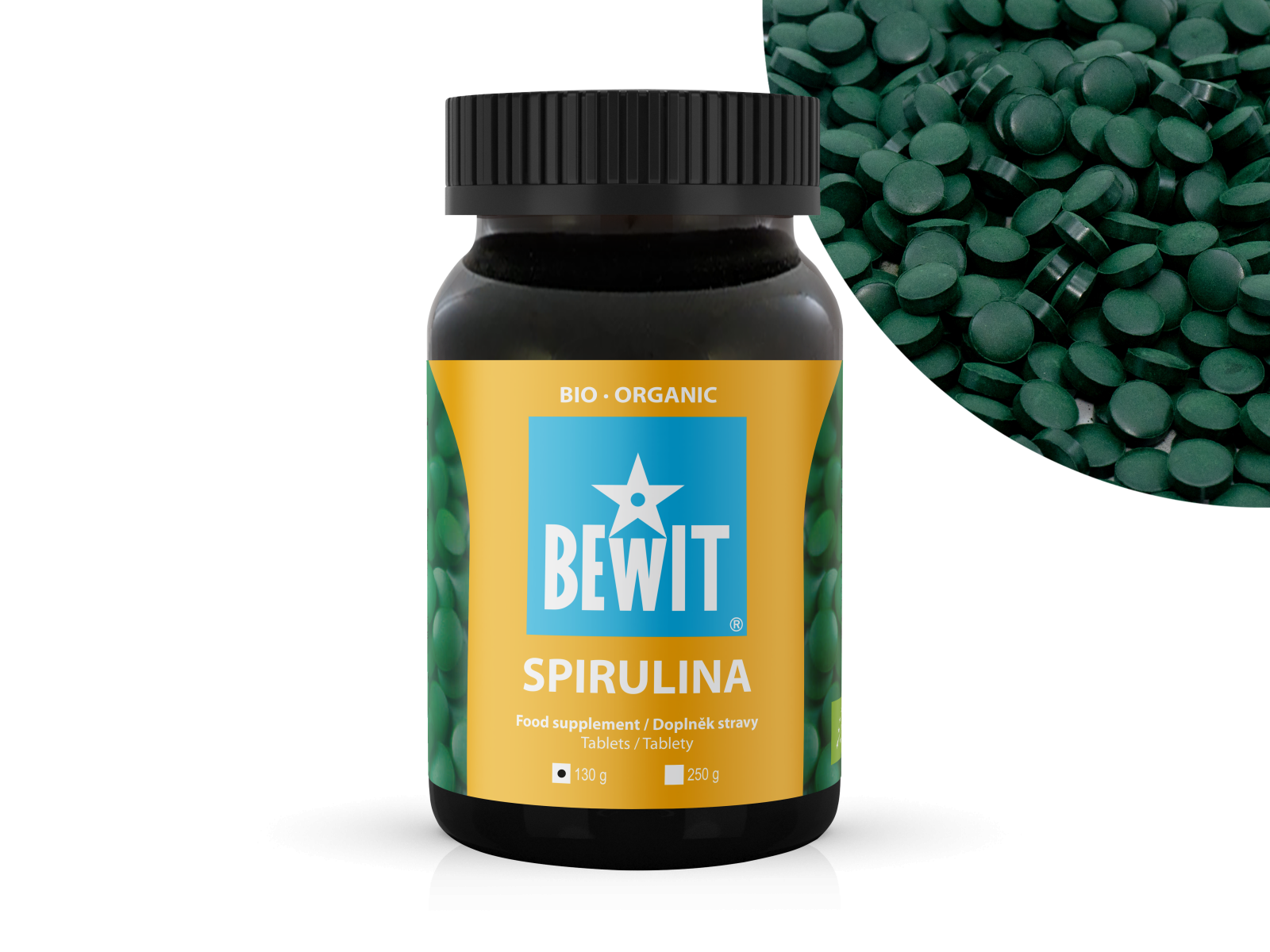
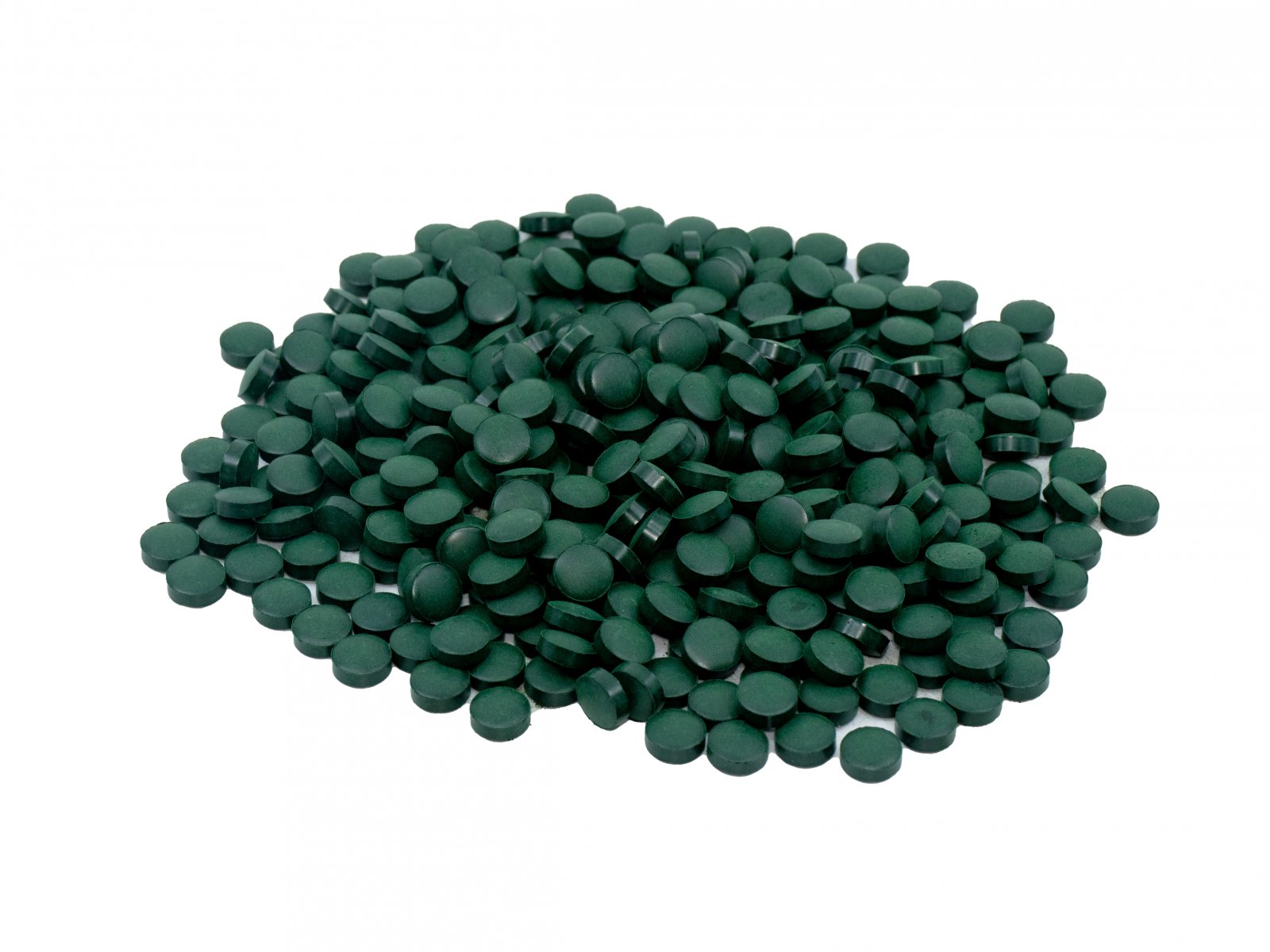
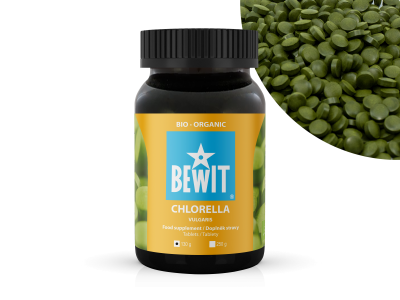
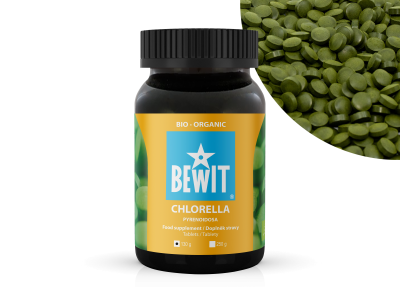
Harvested blue-green spirulina biomass is gently dried and pressed into whole
blue-green tablets with a glossy appearance. The shape of the tablets is
achieved only by the pressure exerted by the pressing device. Due to the
naturally adhesive properties of spirulina, the pressed tablets retain their
solid shape even without the use of binders, dyes, fillers or other additives.
As part of the unique processing technology and the low temperatures maintained,
spirulina is still "alive " and retains enzymes and other
valuable substances that are sensitive to high temperatures.
Composition and properties
Full of vitamins, minerals and beneficial substances
Magnesium, selenium, chromium or
phosphorus – all these minerals are found in spirulina in
high quantities. Every cell in the body will welcome the presence of natural
zinc and calcium.
Of the vitamins, it is especially vitamin K, for whose high
content spirulina is highlighted.
From a macronutrient point of view, spirulina is an important source of not
only the necessary fiber, but also plant-based, easily
absorbable proteins.
The distinctive color of spirulina is due to the blue-green pigment
phycocyanin, the dominant pigment of this freshwater
cyanobacteria. The carotenoid or chlorophyll dyes also
contribute to the colour cast.
Moreover, it is naturally gluten-free – it is therefore also suitable for
people with gluten intolerance and celiac disease.
Vegans and vegetarians should be vigilant
Due to its high content of iron and vitamin
B12, spirulina is also a suitable plant-based dietary supplement for
vegans and vegetarians who may be deficient in their intake.
Use
Simply drink it down
The tableted form of spirulina is characterised by its blue-green color and
shiny appearance. Spirulina tablets can be easily washed down with a glass of
water or another favourite beverage. The advantage is that it is more convenient
to dose.
Recommended dosage
Daily intake of spirulina: 5 – 7 grams. Start with a dose of 6 tablets
3 times a day (18 tablets), at least 15 minutes before meals. Take with a
glass of water. Over the course of 14 days, gradually increase the dose to
9 tablets 3 times a day (27 tablets).
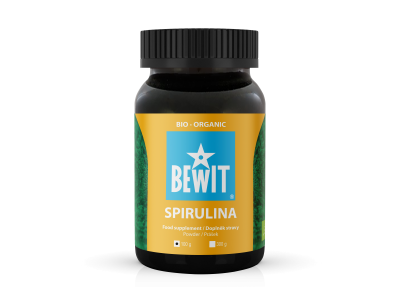
You can choose from two packaging options:
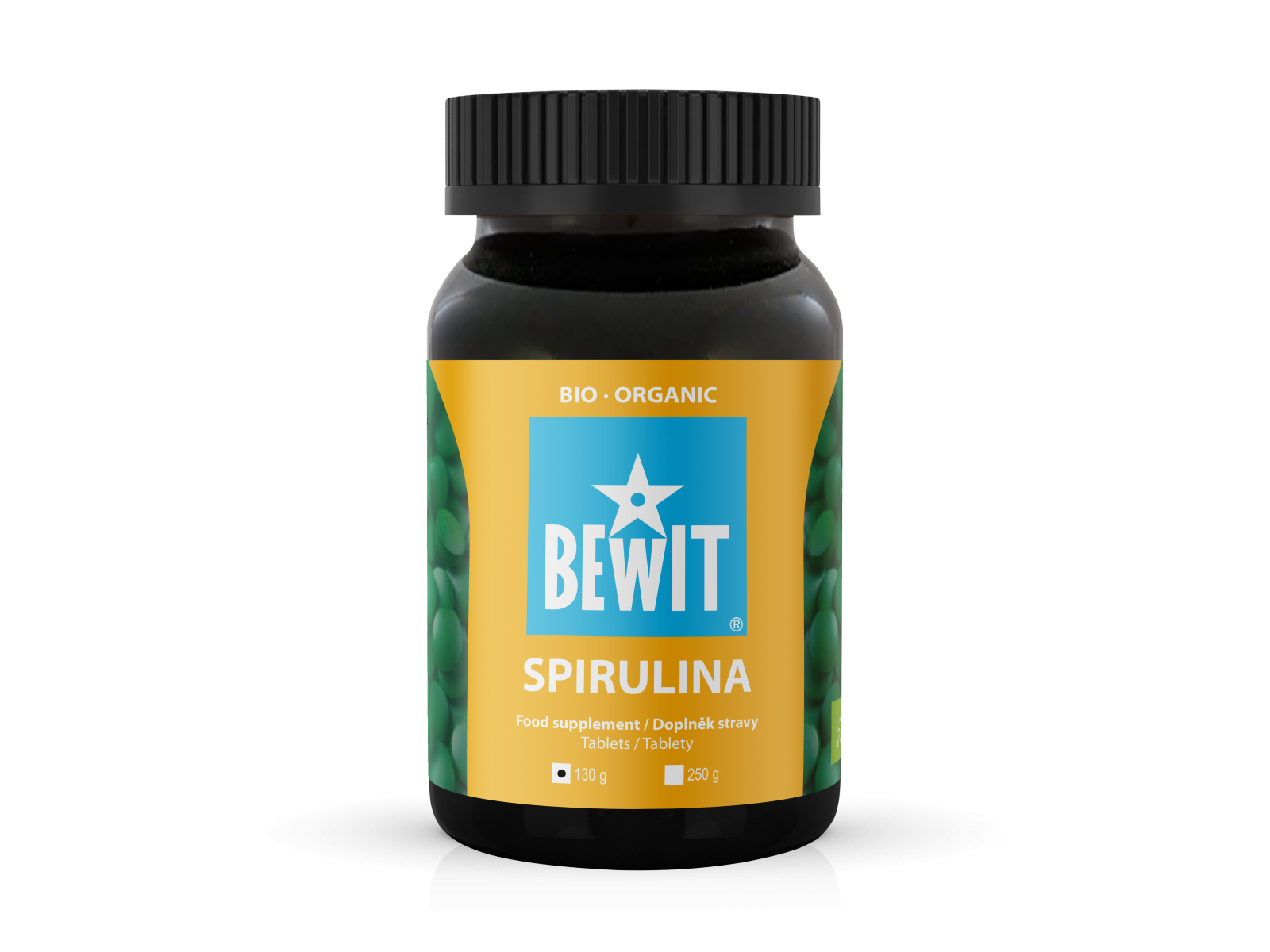
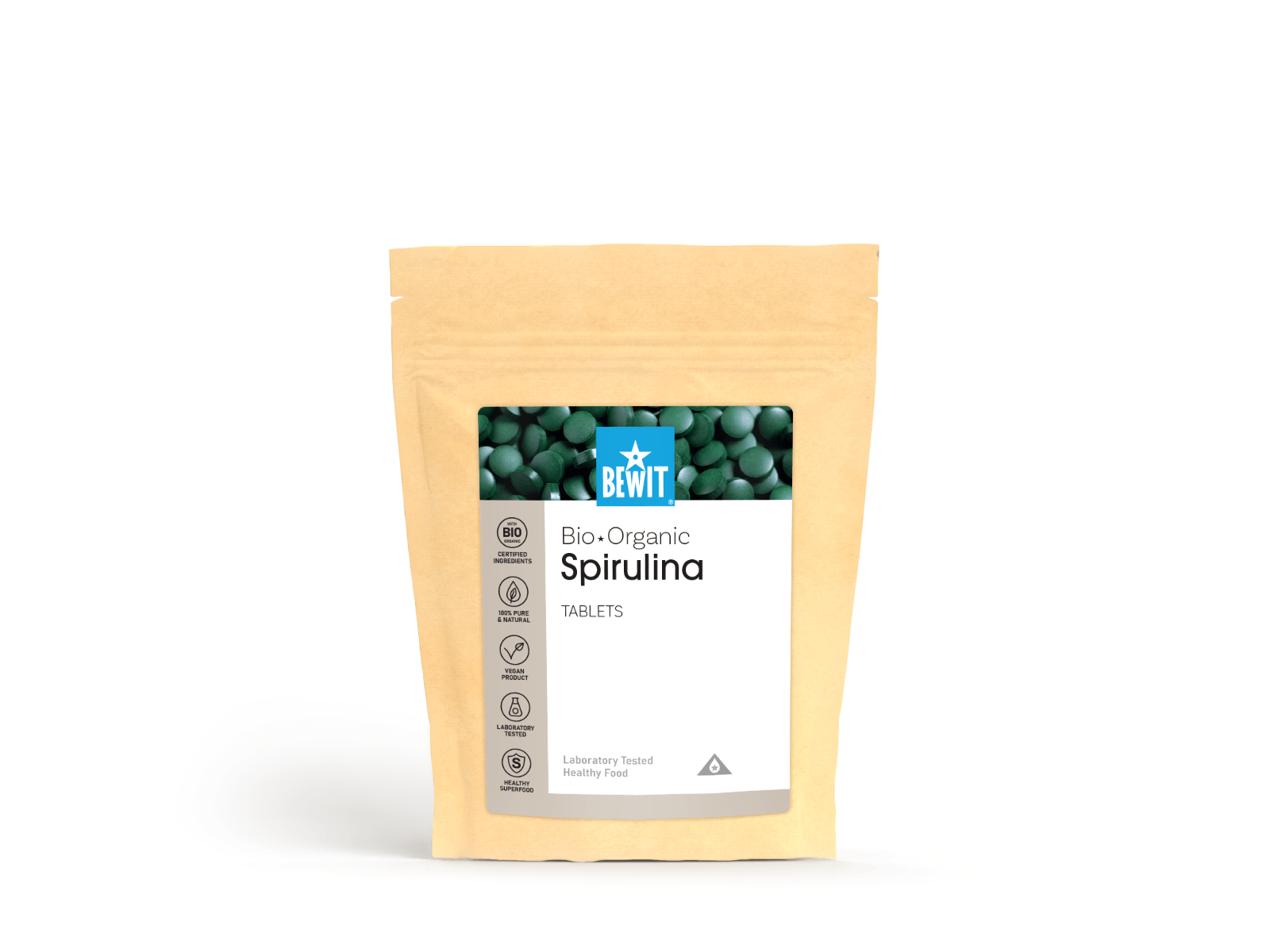
- in a paper bag, 250 g content, 1000 tablets
- in a jar, content 130 g, 520 tablets.
Caution:
- Do not exceed the recommended daily dose.
- This product is not intended to replace a varied and balanced diet.
- Not intended for children under 3 years of age.
- Store dry, protect from heat.
Ingredients: 100% Spirulina (Arthrospira platensis) from organic farming
Origin:
China
In conclusion
Health claims from the so-called ON HOLD list
- weight control – appetite,
- Antioxidant
- normal blood sugar levels,
- natural immunity – immune system,
- tone, vitality,
- muscle mass – weight loss.
ON HOLD list – This is a list of substances and their relationship to
health that have been sent to EFSA for assessment but EFSA has not yet issued an
expert opinion or the EC has not yet issued a decision. Please note that these
claims are temporary.
Sources
[1] ANTONIO DEL RIO-CHANONA, Ehecatl, Dongda ZHANG a Youping XIE,
2015. Dynamic Simulation and Optimization for Arthrospira platensis Growth and
C-Phycocyanin Production. Industrial & Engineering Chemistry Research.
54(43), 10606–10614.
[2] TEULING, Emma et al., 2017. Comparison of Protein Extracts from Various
Unicellular Green Sources. Journal of Agricultural and Food Chemistry. 65(36),
7989–8002.
[3] LI, Yuchen, Carmen LAMMI a Giovanna BOSCHIN, 2019. Recent Advances in
Microalgae Peptides: Cardiovascular Health Benefits and Analysis. Journal of
Agricultural and Food Chemistry. 67(43), 11825–11838.






 Български
 Čeština
 Deutsch
 Eesti
Eesti
 Español
 Français
 Hrvatski
 Italiano
 Latviešu
 Lietuvių
 Magyar
 Nederlands
 Norsk
Norsk
 Polski
 Português
 Română
 Русский
 Slovenčina
 Slovenščina













 RO (
RO (
 PL (
PL (
 SK (
SK (
 CS (
CS (


 DE (
DE (