



 Български
 Čeština
 Deutsch
 Eesti
Eesti
 Español
 Français
 Hrvatski
 Italiano
 Latviešu
 Lietuvių
 Magyar
 Nederlands
 Norsk
Norsk
 Polski
 Português
 Română
 Русский
 Slovenčina
 Slovenščina
Did you know that, according to Traditional Chinese Medicine (TCM), autumn is associated with the Metal element, the Lungs and the Large Intestine? In October, autumn fully takes over. Days shorten, the air becomes cooler and drier, and nature's energy increasingly withdraws inwards. We can follow a similar rhythm.
Discover what the Metal element means, why, according to TCM, the Lungs (Fei), Breath and Dryness (Zao) come to the forefront in October, and how the Large Intestine (Da Chang), skin or emotions are related to this. We will advise you on what to include in your diet during this period, how to adjust your daily routine, and why October is also a symbolic time for receiving and letting go.
What is typical for October in TCM
According to Traditional Chinese Medicine, October fully belongs to autumn and the Metal element. After a period of ripening and harvest, nature gradually sheds what it no longer needs. Leaves change colour and slowly begin to fall, energy decreases and withdraws inwards, and everything prepares for a quieter period.
Metal brings the same symbolism to humans. It is associated with order, boundaries, the ability to distinguish between the essential and the non-essential, and with the natural cycle of receiving and letting go. The main organ circuits of autumn in the traditional Chinese concept are the Lungs and Large Intestine. The Lungs receive new things through breath, while the Large Intestine represents the opposite part of the process – getting rid of what the body no longer needs.
Dryness is also a significant theme in October. Cooler autumn air and the start of the heating season can further accentuate the feeling of dryness. According to the traditional concept, the Lungs are the organ that likes moisture and, conversely, is particularly sensitive to dryness and cold.
October in the rhythm of TCM in a nutshell
Season: autumn
Month: October – a time of energy withdrawal, receiving and letting go
Element: Metal
Energy direction: inwards and downwards
Typical climatic influence: dryness and gradual cooling
Main area: Lungs, Breath and management of bodily moisture
Organs: Lungs and Large Intestine
Taste: pungent, spicy
Colour: white
Emotions: sadness and grief
In balance: ability to accept changes, let go of the unnecessary and maintain healthy boundaries
When overloaded: according to TCM, increased sensitivity to dryness, discomfort in the nose and throat area, dry skin, irregular bowel movements or a melancholic mood may appear
Natural need of the period: humidification, regular breathing, warmth, a calmer rhythm and sufficient rest
Why the Lungs and Breath are important in October according to TCM
In Traditional Chinese Medicine, the Lungs have a much broader meaning than the anatomical organ from the perspective of Western medicine. They represent an entire functional circuit associated with breath, the movement of Qi and the relationship between our internal environment and the external world.
Through breath, we take in air from the surroundings through the Lungs. Traditional Chinese Medicine therefore symbolically understands the Lungs as a kind of boundary between the inside and the outside. Their functional circuit traditionally also includes the nose and skin. In this concept, the Lungs control the so-called Defensive Qi (Wei Qi), which flows under the skin and protects us from external pathogens, such as wind and cold.
The Large Intestine is paired with the Lungs. While the Lungs represent receiving, the Large Intestine takes care of excretion. The ability to receive and then let go is one of the main symbolic themes of the Metal element.
According to the TCM organ clock, the Lung meridian is most active between 3 and 5 AM, and the Large Intestine meridian is between 5 and 7 AM.
What autumn dryness means according to TCM
Chinese tradition assigns a specific climatic influence to each season. Autumn is associated with Dryness, or Zao.
Dry autumn air, wind, and later also heated rooms naturally create different conditions than a humid summer. In traditional terminology, therefore, attention in autumn is primarily paid to preserving bodily fluids and ensuring adequate moistening.
At a common level, you might notice changes such as drier lips, skin, or mucous membranes. From a TCM perspective, this is precisely why in October it is recommended to pay attention not only to what we eat, but also to our fluid intake, the environment in which we spend our time, and the quality of our breath.
How you might feel in October
October brings a significant change in rhythm. Light diminishes, mornings are colder, and after a more active part of the year, nature increasingly turns inwards.
Metal in balance traditionally represents clarity, order, and the ability to discern what we want to keep and what we can let go of. Therefore, there may naturally be a greater need to tidy up not only at home, but also in our duties, relationships, or our own minds.
The emotion of the Metal element is sadness and grief. This does not mean that we should be sad in autumn. The Chinese concept works more with the ability to naturally experience sadness, if it comes, and then let it go. Just as autumn nature sheds the old to make way for a new cycle.

Support your body and mind in October according to TCM
1. Diet in harmony with October according to TCM
In October, continue the gradual transition to warmer and more thermally processed food. Besides warming, also consider the second big autumn theme – moistening.
You can include the following in your October diet:
Pears and apples. Pears are among the traditional autumn foods in the Chinese diet. In colder weather, it is advisable to briefly stew or bake them.
White vegetables. White is the colour of Metal. White radish, cauliflower, onions, garlic, leeks, or white cabbage fit well into the seasonal diet.
Soups, broths, and porridges. Damp weather favours dishes that provide both warmth and fluids. Make use of vegetable soups, broths, or warm grain porridges.
Buckwheat, rice, and oats. Grains can be used in porridges, soups, and as standalone warm meals.
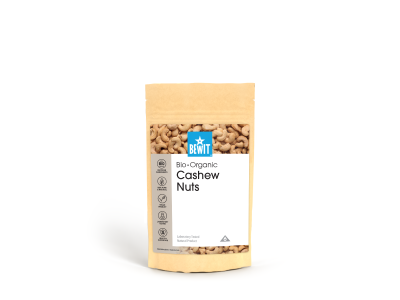
Nuts and seeds. For example, cashews, walnuts, or sesame can be included in your autumn diet.
Mildly spicy foods. The Metal element is associated with a pungent or spicy taste, which opens and disperses. Therefore, onions, garlic, ginger, or radish belong in October cuisine. However, use very hot spices sparingly, especially if you already feel significant dryness. In excessive amounts, it dries out.
TIP: Try organic buckwheat as a base for warm autumn dishes or ginger powder for a subtle flavour. You can also add organic cashew nuts to your snack or porridge.
Recipe for October: baked pear with ginger and nuts
Pear is one of the foods often associated with autumn in traditional Chinese cuisine. Thermal preparation is also well suited to colder October days.
Ingredients (2 servings):
- 2 ripe pears
- a handful of chopped walnuts or cashew nuts
- a pinch of ground ginger
- a pinch of cinnamon
- 1 teaspoon of honey to taste
- a little water
Method:
- Halve the pears and remove the cores.
- Place them in a small baking dish, add a few tablespoons of water, and sprinkle with ginger and cinnamon. This will balance the cool nature of the pear, making it easily digestible even on cold days.
- Bake at 180 °C for approximately 20–25 minutes, until tender.
- Sprinkle the cooked pears with chopped nuts and add a small amount of honey to taste.
TIP: Instead of baking, you can also briefly stew the pears in a pot with a little water and spices.
2. What to avoid in October
October's diet should respect both the cooling weather and the natural dryness of the season. Therefore, large quantities of cold drinks, ice cream, or raw foods may no longer be suitable for what the body needs on colder days.
From a traditional Chinese perspective, it is not advisable to overdo very spicy, drying foods during a dry period. Although a pungent taste is associated with Metal, more is not always better. Therefore, use chilli and intensely spicy foods in moderation.
Also, be careful with overly dry food without enough fluids. In October, it is good to bring soups, broths, stews back to the table and drink continuously.
3. Breath and movement: give your Lungs space
Breath is the simplest way to return to the October theme of the Lungs every day.
Go out regularly into the fresh air. A brisk walk, a light run, or a peaceful stay in nature naturally encourages deeper breathing.
Try a simple breathing exercise. Inhale slowly through your nose several times and exhale even more slowly. There is no need to strive for performance; the goal is to shift your attention to your own breath for a moment.
Protect yourself from cold and wind. October weather can be changeable, so it pays to layer clothing and protect your neck and chest in particular.
Ventilate, but also consider air humidity. The beginning of the heating season can significantly dry out indoor air. Air humidifiers or aroma diffusers are then useful, as they not only humidify the air but also scent it and help introduce essential oils into the space.
4. Wans for October: Lungs and breath according to TCM principles
The Wans thematically focused on the Lungs and breath, as well as dryness, naturally fit with the October Metal element. Wans are traditional herbal blends in the form of pellets inspired by the principles of Chinese medicine.
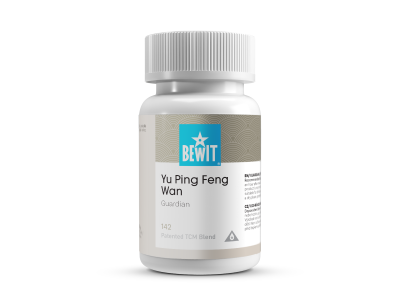
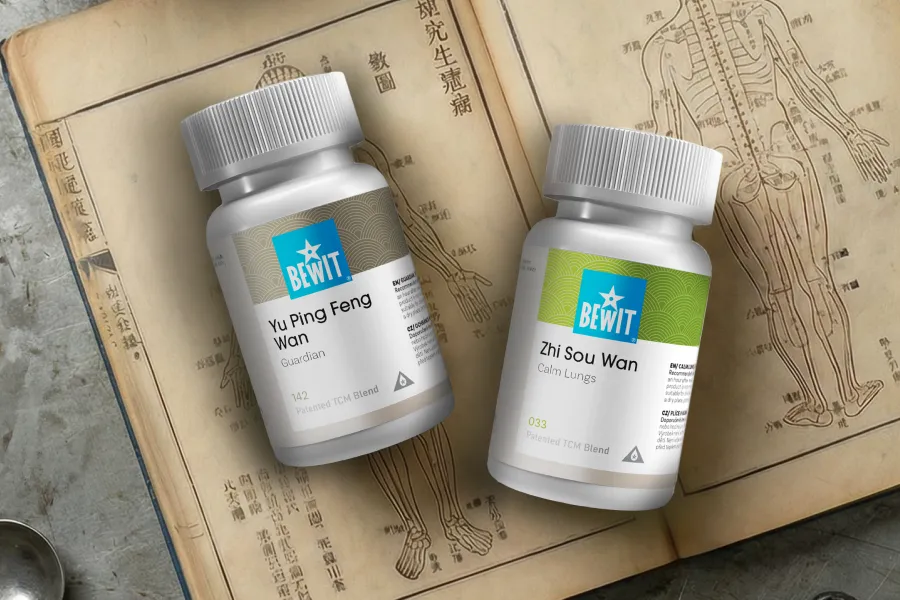
Wan 142 – Protector, according to TCM, supports the body's defensive shield and resilience, firming skin pores against the cold.
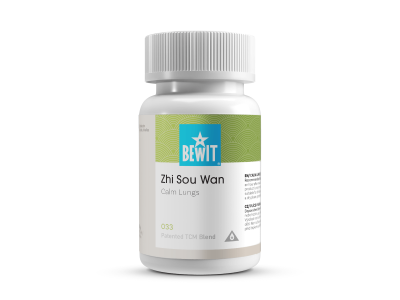
033 – Lungs at Rest traditionally relates to harmonising the Lungs and deeply moisturising mucous membranes before the autumn dryness.
Wan 007 – Breath Release in traditional understanding focuses on nasal cavity care.
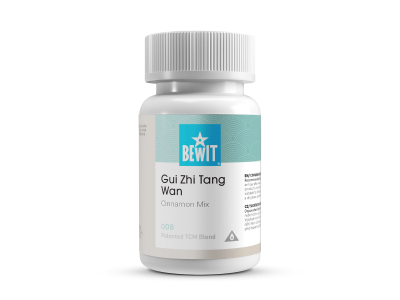
Wan 008 – Cinnamon Blend support in defence against cold and wind.
In October, depending on your individual situation, you may also need Wans 030 – Breath Harmony or Wan 032 – Calm Breath.
This is general education, not diagnosis or individual recommendation. Use Wans according to the instructions of a certified TCM therapist and respect the warnings given for the specific product. They are not intended for children under 3 years of age, pregnant and breastfeeding women. Consult a doctor or pharmacist for long-term use or concomitant use with medicines to reduce blood clotting.
5. PRAWTEINS and vital mushrooms for the October period
In October, you can also enrich your days with other products that will thematically support seasonal care.
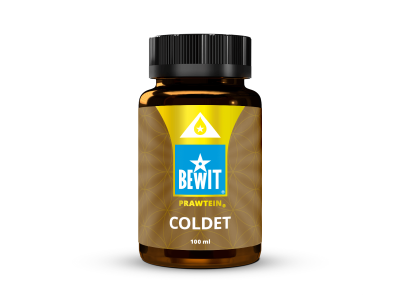
PRAWTEIN Coldet. It is suitable for focusing on natural immunity and caring for the Large Intestine circuit during periods of seasonal challenges.
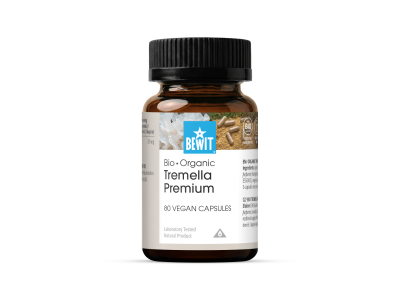
An interesting autumn addition is Tremella Premium, Organic, a dual extract from a vital mushroom, which thematically fits the October theme of dryness and skin care. From a TCM perspective, it is invaluable for replenishing Lung Yin and moistening dryness. In combination with Wan 033, it forms a perfect duo for deep autumn hydration and mucous membrane protection.
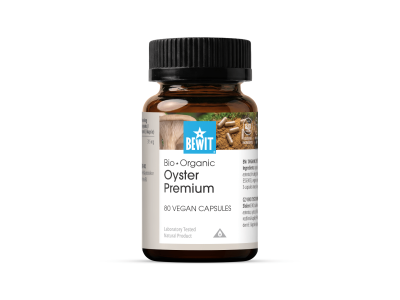
TIP: Other vital mushrooms that may be useful include Oyster Premium, Organic (ideal for warming the respiratory tract and strengthening defensive Wei Qi energy in damp weather) and Agaricus Organic (with long-term use, it can prepare the respiratory system for winter).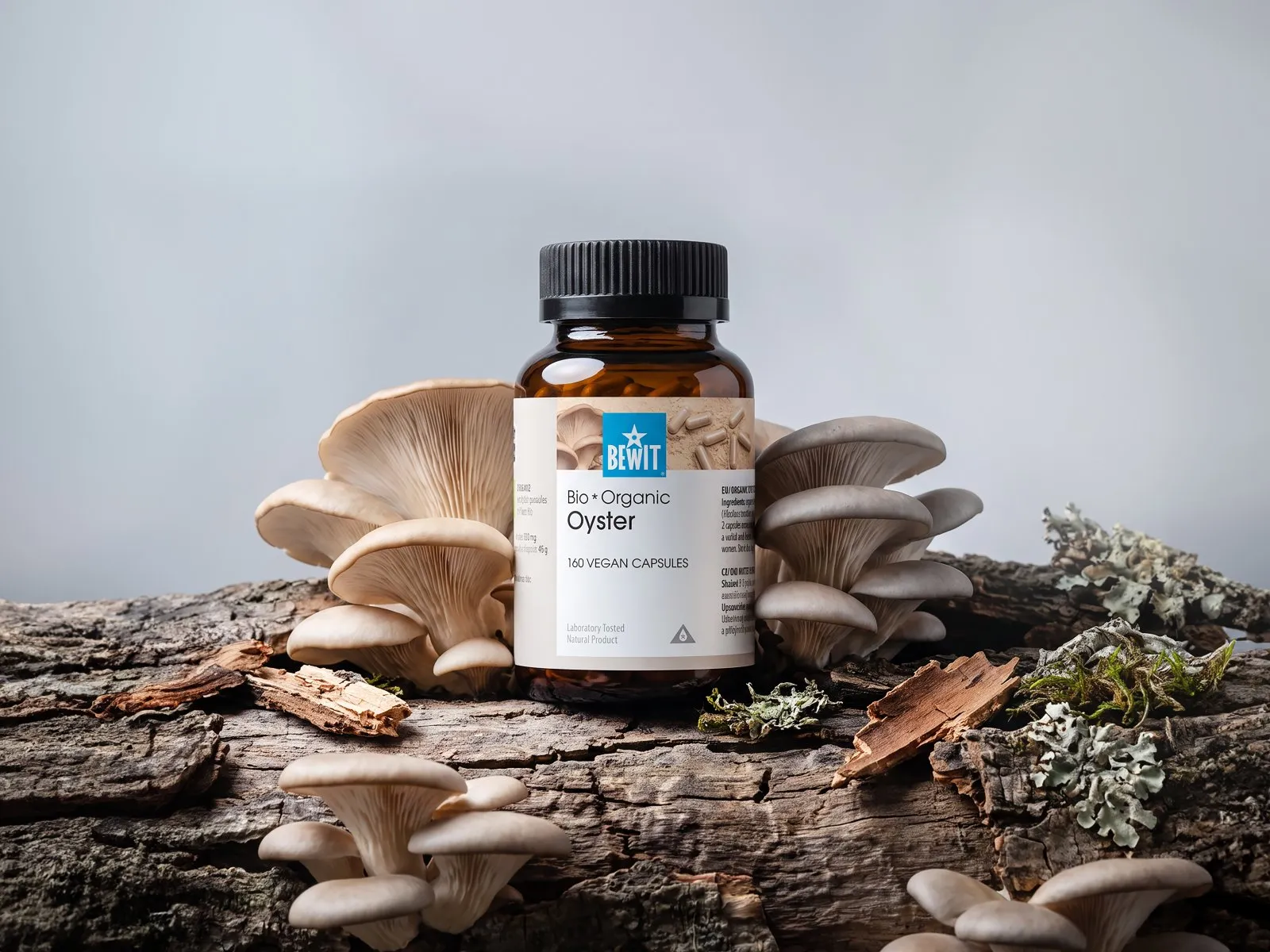
6. Essential oils for October
Aromatherapy can also complement the October theme of breath, Metal, and autumn calming through essential oils.
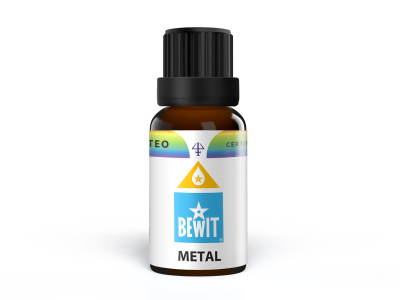
Essential blend Metal a blend created directly in connection with the Metal element. Its herbal-woody scent is suitable for a period when you want to pause, gain perspective, and symbolically let go of what you no longer need.
Essential blend Breath with its menthol, woody-herbal scent, this blend supports free breathing and thus naturally connects to the main October theme of breath.
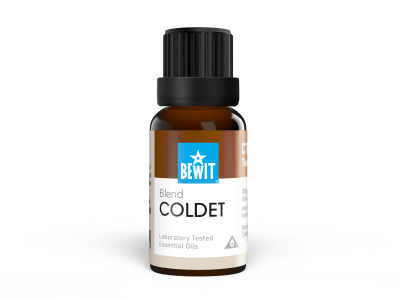
Essential blend Coldet you can use it during periods when you want to focus more thoroughly on your immunity.
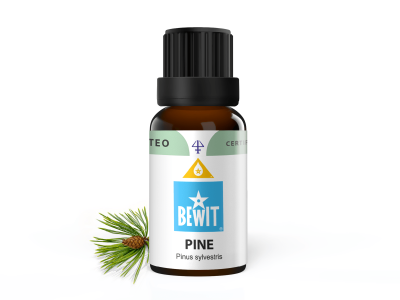
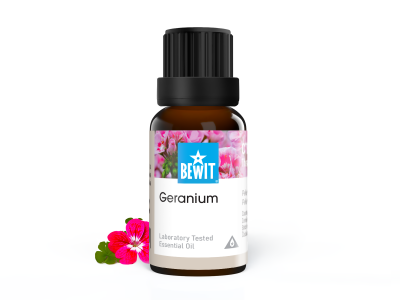
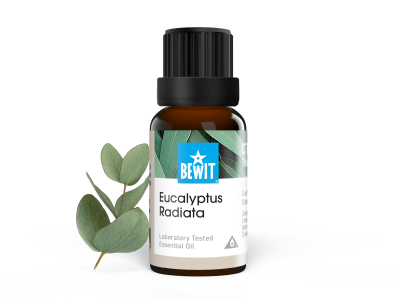
TIP: From single essential oils, you can also reach for essential oils such as Scots Pine, Frankincense Serrata, Pink Grapefruit, Geranium, Eucalyptus Radiata or Atlas Cedar.
Always use essential oils in accordance with the recommended method of use for the specific product.
7. Learn to receive and let go
Autumn shows letting go in its most visible form. Trees shed their leaves and nature gradually reduces everything it won't need during winter. This very theme is connected with the Metal element in Chinese tradition. It's not just about physical elimination, but also about the symbolic ability to distinguish what we want to keep and what no longer serves us.
Sadness and grief are associated with Metal. Sadness is a natural emotion and there is no need to avoid it at all costs. Just as inhalation alternates with exhalation, experiencing and letting go form a natural whole.
So, try to ask yourself a simple question in October: What do I no longer need to carry? It doesn't have to be a big life decision at all. It could just be an overflowing wardrobe, an unnecessary task, a habit, or an obligation you maintain purely out of inertia.
8. Practical tips for every October day
Start the day with a few conscious breaths. Open a window or go outside and for a moment, focus only on your breath.
Drink continuously. With cooler weather, the feeling of thirst often diminishes, but we still need fluids in autumn. Room temperature water or warm tea is suitable.
Include juicy and cooked foods. Pears, apples, soups, or stewed vegetables align well with October's theme of moistening.
Go outside. Regular walks help to get the body moving and also offer a natural space for deeper breathing.
Protect yourself from wind and cold. Layer your clothing and do not underestimate the rapid changes in October weather.
Look after your home environment. Ventilate and, when heating, check that the air is not too dry.
Do a small autumn clean-up. Get rid of a few things you no longer need. You can apply the Metal principle in a completely practical way.
Allow yourself to slow down. Shorter days naturally encourage us to reduce stimuli in the evening and let the day gradually fade away.
October as the month of Metal, Lungs and letting go
According to traditional Chinese medicine, October leads us deeper into autumn. The Metal element turns attention to the Lungs and Large Intestine, to breath, skin, and the natural process of receiving and letting go.
An important theme of this period is dryness. Therefore, include more warm dishes with plenty of fluids, white vegetables, and an appropriate amount of spicy foods in your diet. Besides food, also focus on the air you breathe, regular exercise, and moments of conscious breathing.
And just as nature sheds what is unnecessary, you can use October to tidy up your surroundings, and also your mind. This will free up space for a calmer part of the year.
What to remember from the article?
In traditional Chinese medicine, October belongs to autumn and the Metal element. This is traditionally associated with the Lungs and Large Intestine, white colour, pungent taste, skin, nose, and the emotion of sadness. Energy, compared to summer, increasingly retracts inwards and downwards.
The typical climatic influence of autumn is dryness. In October, it therefore makes sense to think about sufficient fluids and to include warm, juicy dishes, soups, broths, pears, or cooked fruit. A sharp taste belongs to Metal, but very hot and drying foods should not be overdone.
Caring for the Metal element does not end with diet. Pay attention to your breath, go outside regularly, protect yourself from cold winds, and allow yourself a calmer rhythm. And be inspired by autumn nature: distinguish what is important to you, and gradually let go of what you no longer need.
Glossary of terms
TCM (Traditional Chinese Medicine) – a traditional system that works with the concepts of Yin and Yang, Qi, the five elements, and functional organ circuits. It perceives a person in connection with their lifestyle, emotions, and environment.
Metal Element – one of the five elements of TCM. It is associated with autumn, the Lungs and Large Intestine, white colour, pungent taste, dryness, and the emotion of sadness.
Lungs (Fei) – a functional circuit of TCM primarily associated with breath, the movement of Qi, and the organism's relationship with the external environment. It is not an exact equivalent of the anatomical lungs of Western medicine.
Large Intestine (Da Chang) – the paired organ of the Lungs in the TCM system, traditionally associated with excretion and the symbolic theme of letting go.
Qi (chi) – one of the fundamental concepts of traditional Chinese medicine, usually translated as life energy.
Dryness (Zao) – a climatic factor traditionally associated with autumn. In TCM, it is mentioned especially in connection with the Lungs, skin, and bodily fluids.
Wany – traditional Chinese herbal mixtures in the form of pellets. BEWIT products in this category are food supplements inspired by the principles of traditional Chinese medicine.
Visit the TCM category and explore the range of products inspired by traditional Chinese medicine.
Related products