History
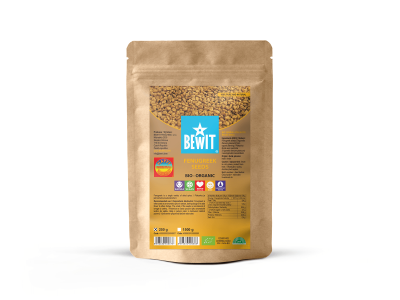
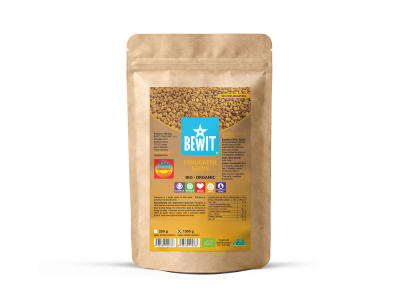
Fenugreek is a herb known for thousands of years. Although this herb
originates from Asia, it became very popular, especially in Southern Europe, as
is evident from its name. It is called Greek hay because the ancient Greeks and
Romans used it as fodder for livestock. However, they observed that animals fed
fenugreek showed increased milk production. On the recommendation of
Hippocrates, the „father of medicine“, fenugreek was prescribed primarily to
women after childbirth for its effects. It helped them increase lactation and
harmonise their post-natal state. It was also prescribed to women suffering from
painful menstruation. It also gained popularity among the ancient Egyptians, who
added its seeds to their traditional dishes. The remaining leaves of this plant
were part of the Egyptian incense Kuphi, whose sacred smoke formed an
indispensable part of fumigation and embalming rituals. Fenugreek seeds were
also found in the tomb of Tutankhamun himself.
Origin and Cultivation
This annual herb originates from Asia. Today, it is cultivated mainly in
India and China. Fenugreek grows up to one metre tall and blooms with snow-white
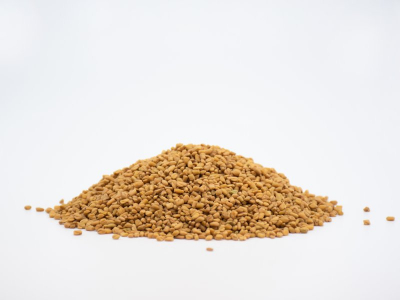
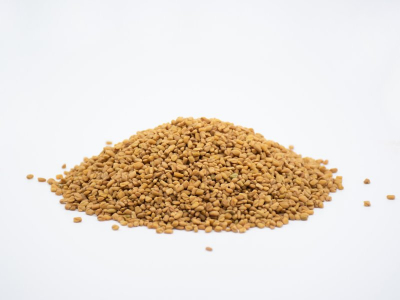
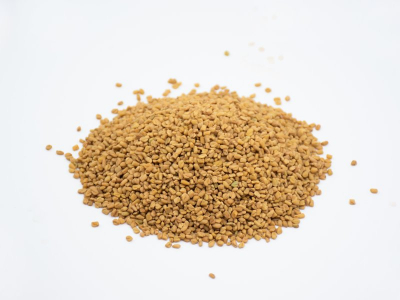
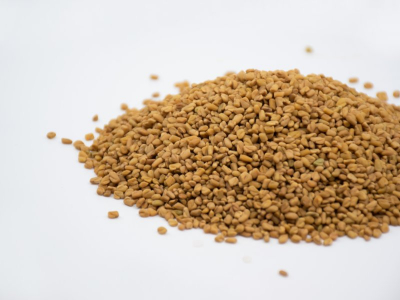
or delicate yellow flowers. The fruit of this plant is a pod containing
edible seeds.
Composition and Properties
Depending on its composition and the amount of biologically active substances
it contains, fenugreek is a versatile herb.
Naturally gluten-free superfood.
Instructions for Use
Fenugreek is known for its typical aroma reminiscent of lovage or celery. It
can be used in baking bread and various savoury pastries, to which it adds an
interesting flavour. It is a suitable seasoning for fish, vegetable, and other
dishes.
Origin
India




 Български
 Čeština
 Deutsch
 Eesti
 Español
 Français
 Hrvatski
 Italiano
 Latviešu
 Lietuvių
 Magyar
 Nederlands
 Norsk
 Polski
 Português
 Română
 Русский
 Slovenčina
 Slovenščina









 RO (


 HU (

 CS (

 SK (

