
 Български
 Čeština
 Deutsch
 Eesti
Eesti
 Español
 Français
 Hrvatski
 Italiano
 Latviešu
 Lietuvių
 Magyar
 Nederlands
 Norsk
Norsk
 Polski
 Português
 Română
 Русский
 Slovenčina
 Slovenščina

In stock
13,3 £
You use cleaning products throughout your home, from the kitchen to the bathroom and the children's room. Their residues remain on surfaces you come into contact with every day. That's why it's important to know what they're made of. BEWIT household cleaning products contain natural ingredients, are versatile and can be combined with each other.
Liquid Soaps
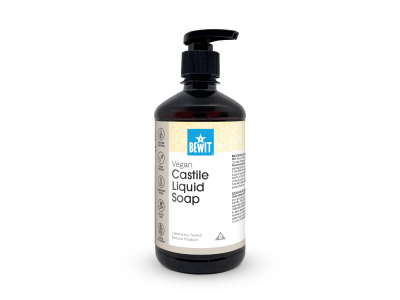
Castile Liquid Soap is made by the traditional saponification method from vegetable oils. It is diluted with water and can be used for washing floors, cleaning surfaces in the kitchen and bathroom, washing dishes or as a base for your own cleaning products.
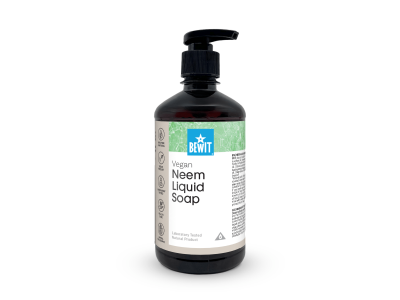
Neem Liquid Soap is made from neem, coconut, sesame and castor oils. It is suitable for washing hands during and after cleaning. It contains aloe vera and calendula, which soothe and hydrate the skin after contact with cleaning products.
Baking Soda
Bicarbonate of Soda is a versatile ingredient that you can use for cleaning your entire home. It dissolves grease, neutralises odours and gently cleans surfaces. It is suitable for cleaning kitchen surfaces, sinks, ovens and bathrooms. In combination with vinegar, it can also unblock drains.
White Vinegar
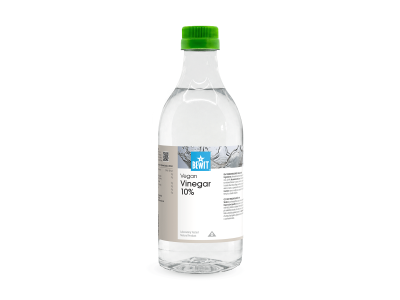
10% Fermented Spirit White Vinegar removes limescale, degreases surfaces and disinfects. Mixed with water in a 1:4 ratio, it serves as a universal cleaner for kitchen surfaces, bathrooms, taps, shower enclosures and windows. It is clear and colourless, so it leaves no marks on surfaces.
Oxygen Active
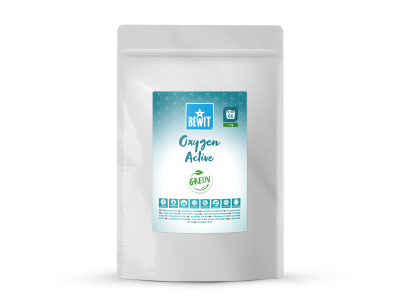
Oxygen Active is a multifunctional product based on active oxygen. In addition to laundry, it can be used for cleaning drains, sinks, baths, washbasins, showers and toilets. It tackles grease and ingrained dirt on stubborn surfaces.
Make your own natural cleaning products
You can easily mix your own cleaning products exactly as needed from Castile soap, baking soda, white vinegar and essential oils. On the blog, you'll find step-by-step guides, such as for a surface cleaner with lemon and lavender scent, a universal surface cleaner or a homemade odour absorber. More tips and recipes can be found in the Essential Creations section.
Frequently Asked Questions
What can Castile soap be used for?
For washing floors, cleaning surfaces in the kitchen and bathroom, washing dishes or as a base for your own cleaning products, laundry gels and dishwasher detergents. It is diluted with water.
Can baking soda be used on all surfaces?
Mostly yes. It gently cleans ceramics, stainless steel or glass. For polished marble or lacquered surfaces, we recommend dissolving it in water only, as it has slightly abrasive effects.
How to use white vinegar for limescale?
Apply undiluted or mixed with water 1:1 to the area with limescale, leave to act and then wipe off. For a shower head, you can pour vinegar into a bag, immerse the head in it and leave it overnight.
Can vinegar be combined with baking soda?
Yes. This combination is particularly suitable for unblocking drains. Pour baking soda into the drain, pour in vinegar, leave to act and then rinse with hot water.
What is the difference between Castile and Neem soap?
Castile soap is universal and suitable for personal hygiene and cleaning. Neem soap, thanks to neem oil, aloe vera and calendula, is focused on caring for sensitive and problematic skin.
What is white vinegar not suitable for?
For natural stone, such as marble or granite, and for lacquered surfaces. Acetic acid could damage these materials.

Customer not logged in Evaluates the category
Video reviews are recommended to be recorded in portrait mode.

Welcome to BEWIT Family
By registering for BEWIT FAMILY you will get:
Welcome to BEWIT Family

Essential oil
Red orange RAW (15 ml)
Worth 7,4 £
with your first order
FREE
Sign up for a customer account and get this unique gift with your first purchase.*
By registering you can also get the following benefits:
Register now
and enjoy the benefits!
* Offer valid for new customers only for purchases above 12,0 £. Registration can be cancelled at any time free of charge.
Registration form