BENEFITS OF SHUNGITE IN WATER
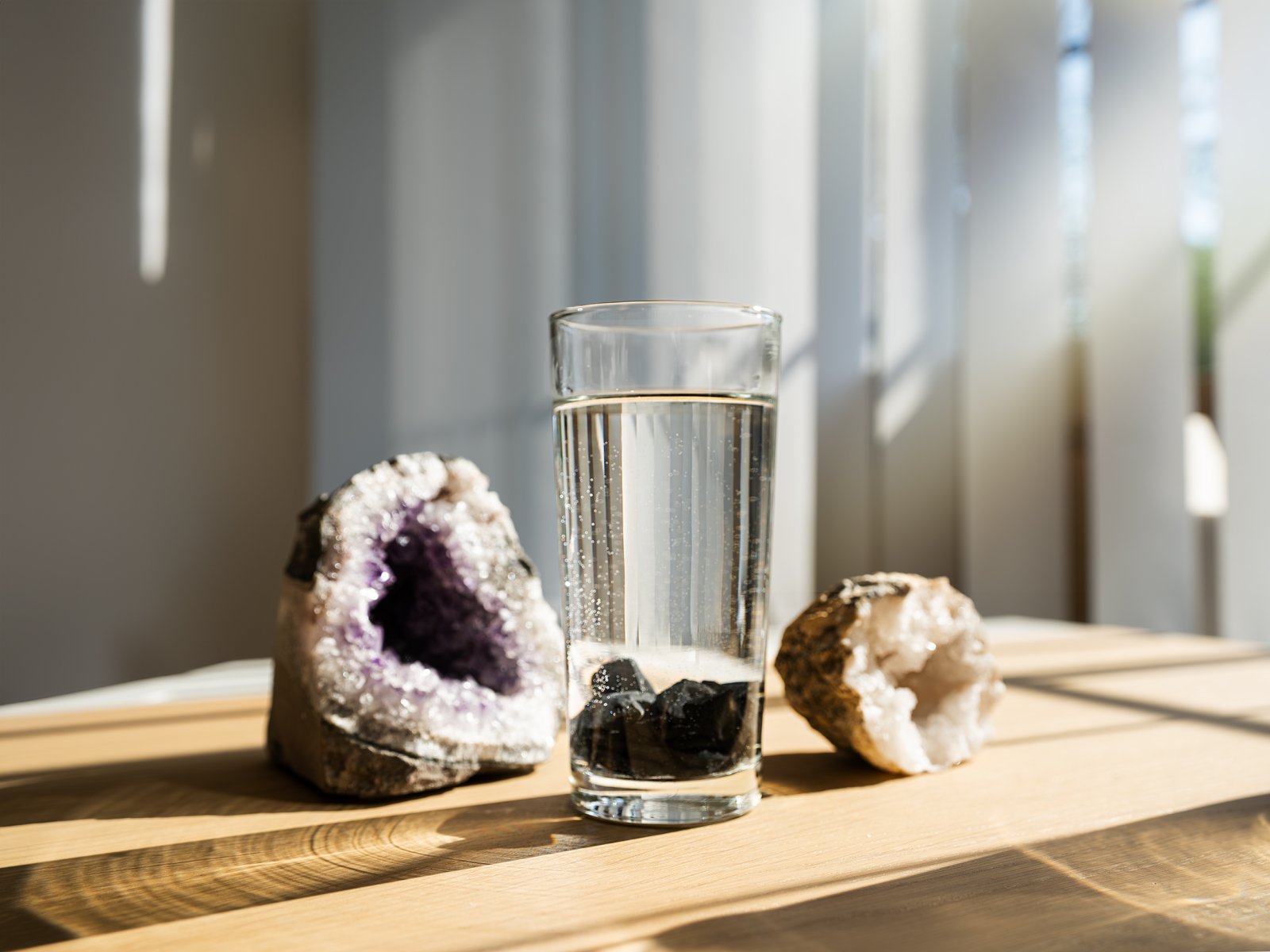
- Due to its excellent adsorption properties, it is suitable for water
treatment and harmonization.
- It balances the pH of water to values between 7 and 7.5.
- It is environmentally friendly and safe for human health.
- It is resistant to corrosion.
HISTORY
Shunga
Shungite got its name from the place of its first discovery –
Karelian village of Shunga.
Tsar Peter the Great
Shungite has been used for its unique properties since the early 18th
century. Tsar Peter the Great himself used it to treat water for the army.
In water treatment technology
Because of its unique properties, shungite has also begun to be used in water
treatment technology. Apart from Russia, water treatment with shungite is
widespread mainly in Norway, Sweden and America.
Northwestern Russia is the largest and oldest source of
shungite, with other deposits reported in Austria, India, Kazakhstan and
the Congo.
FEATURES
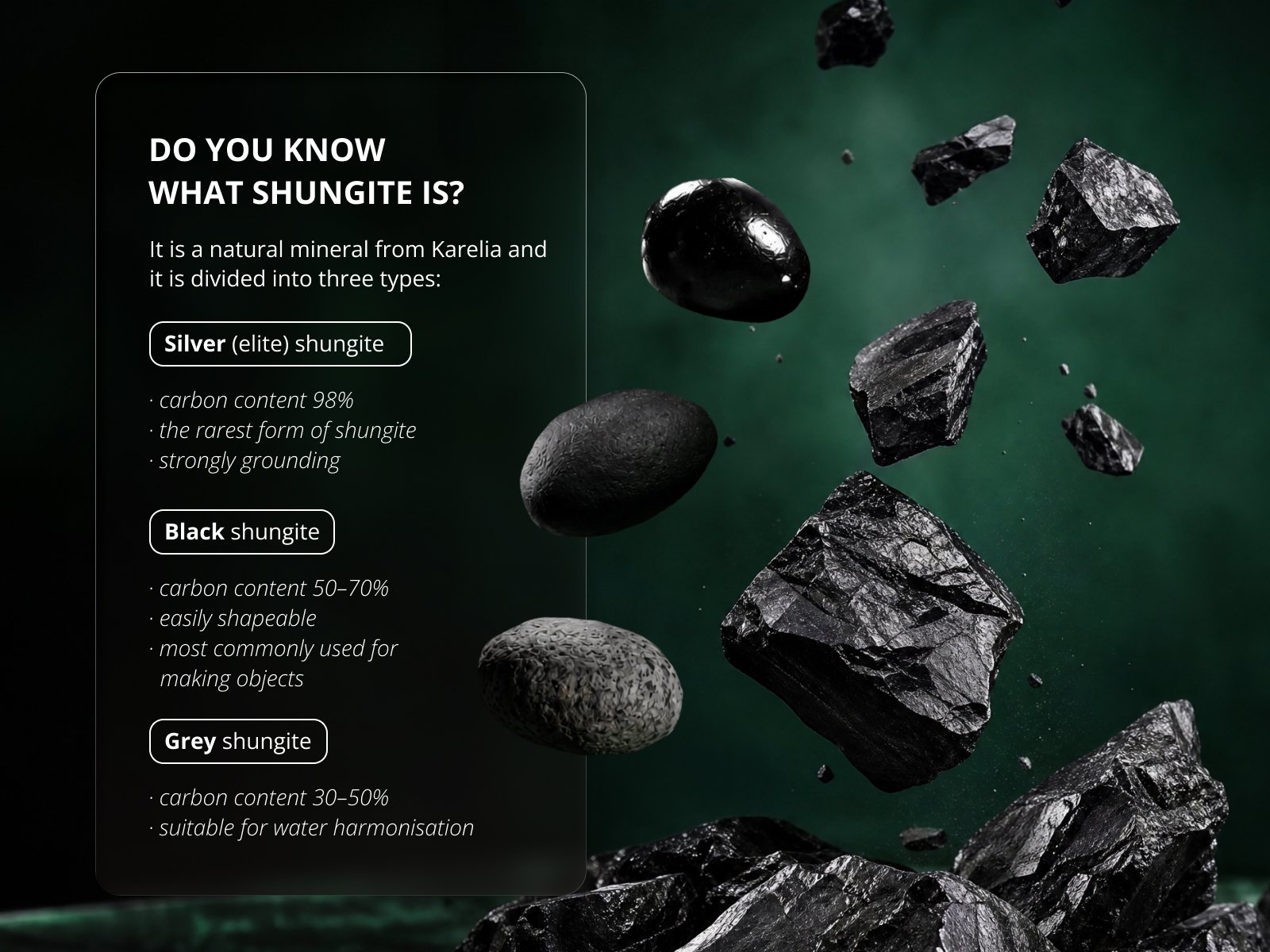
POLYMINERAL CARBONACEOUS ROCK
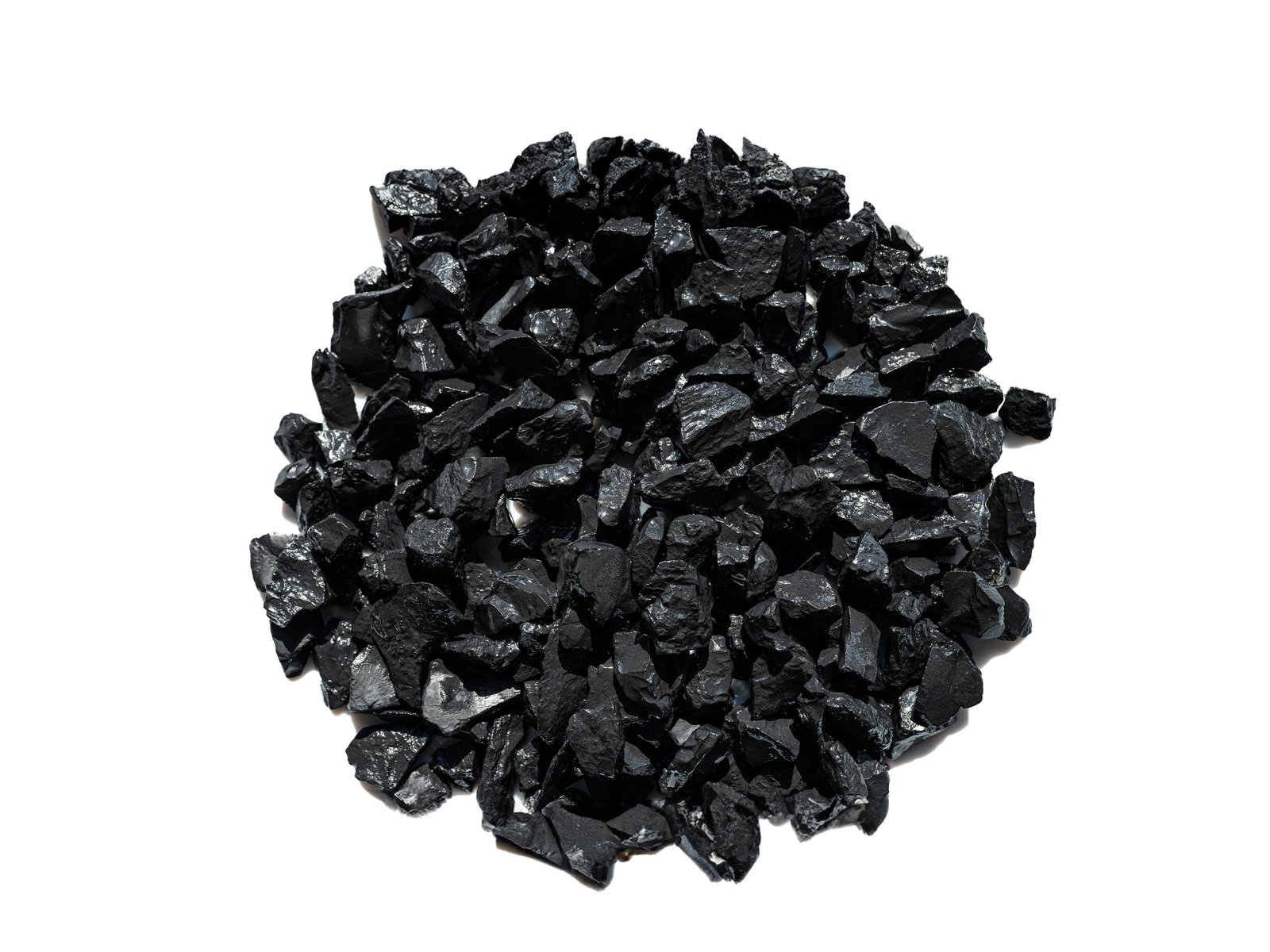
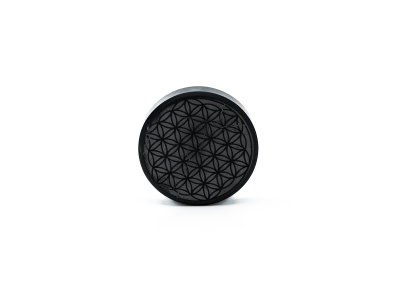
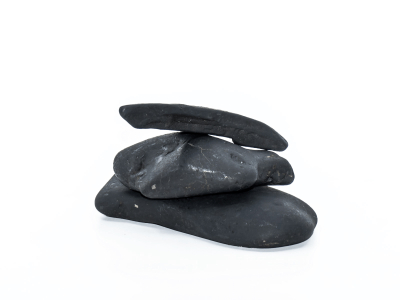
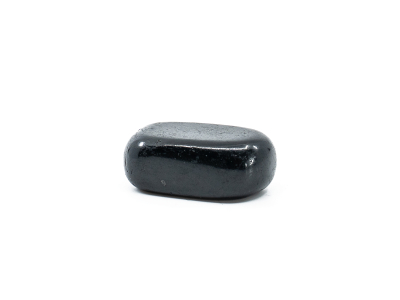
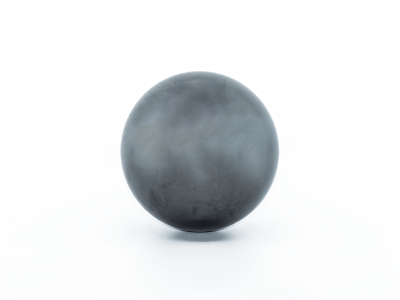
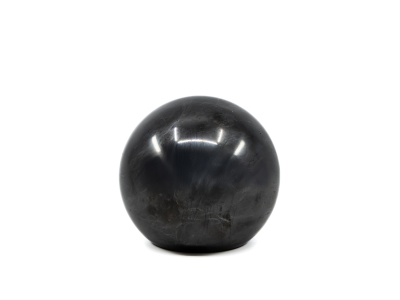
By virtue of its structure, shungite is a mineraloid – a non-porous
polymineral carbon rock that contains nearly half of the
elements of the periodic table. To the eye, it is an opaque black stone with a
more or less pronounced metallic lustre.
USES
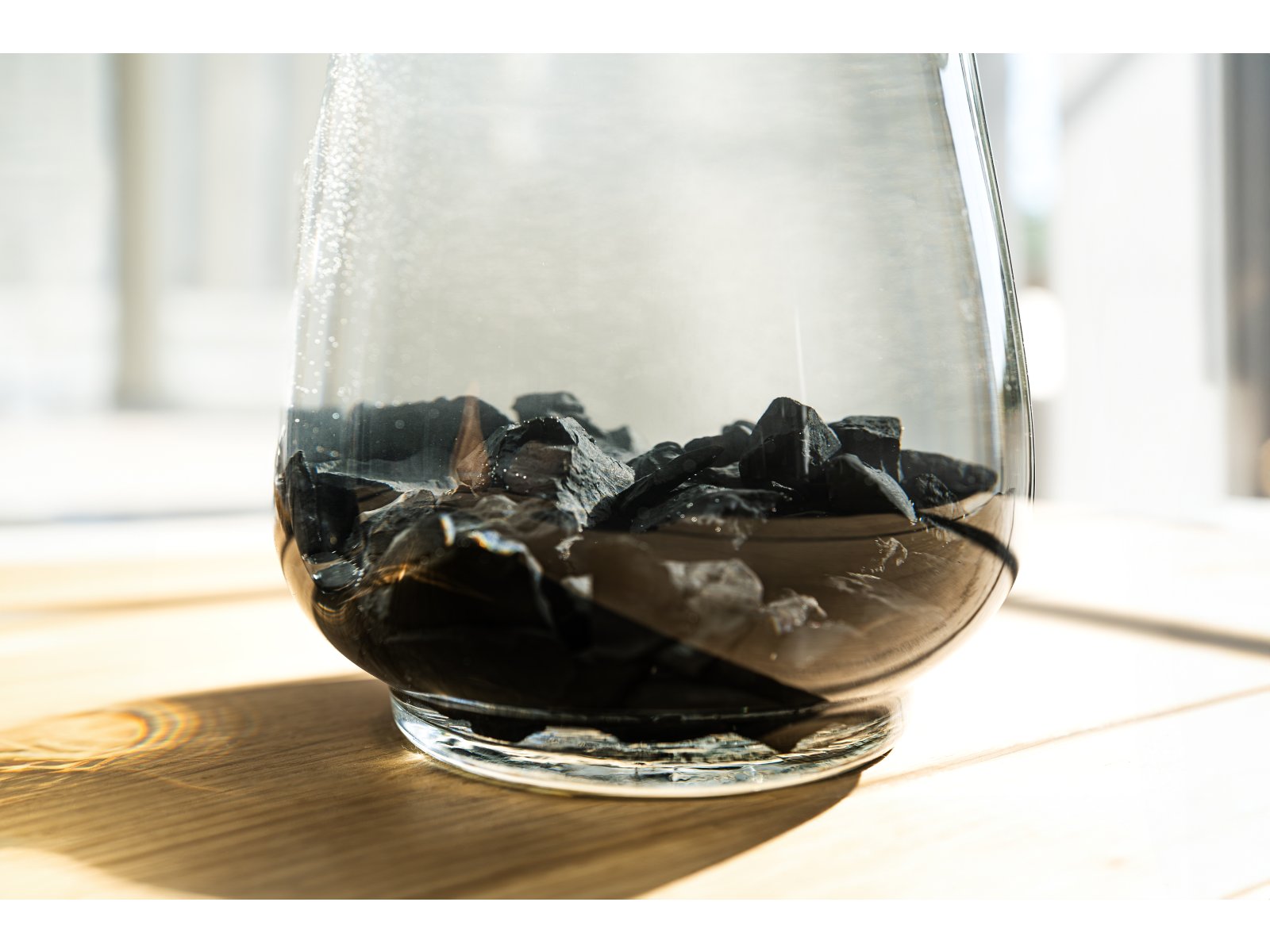
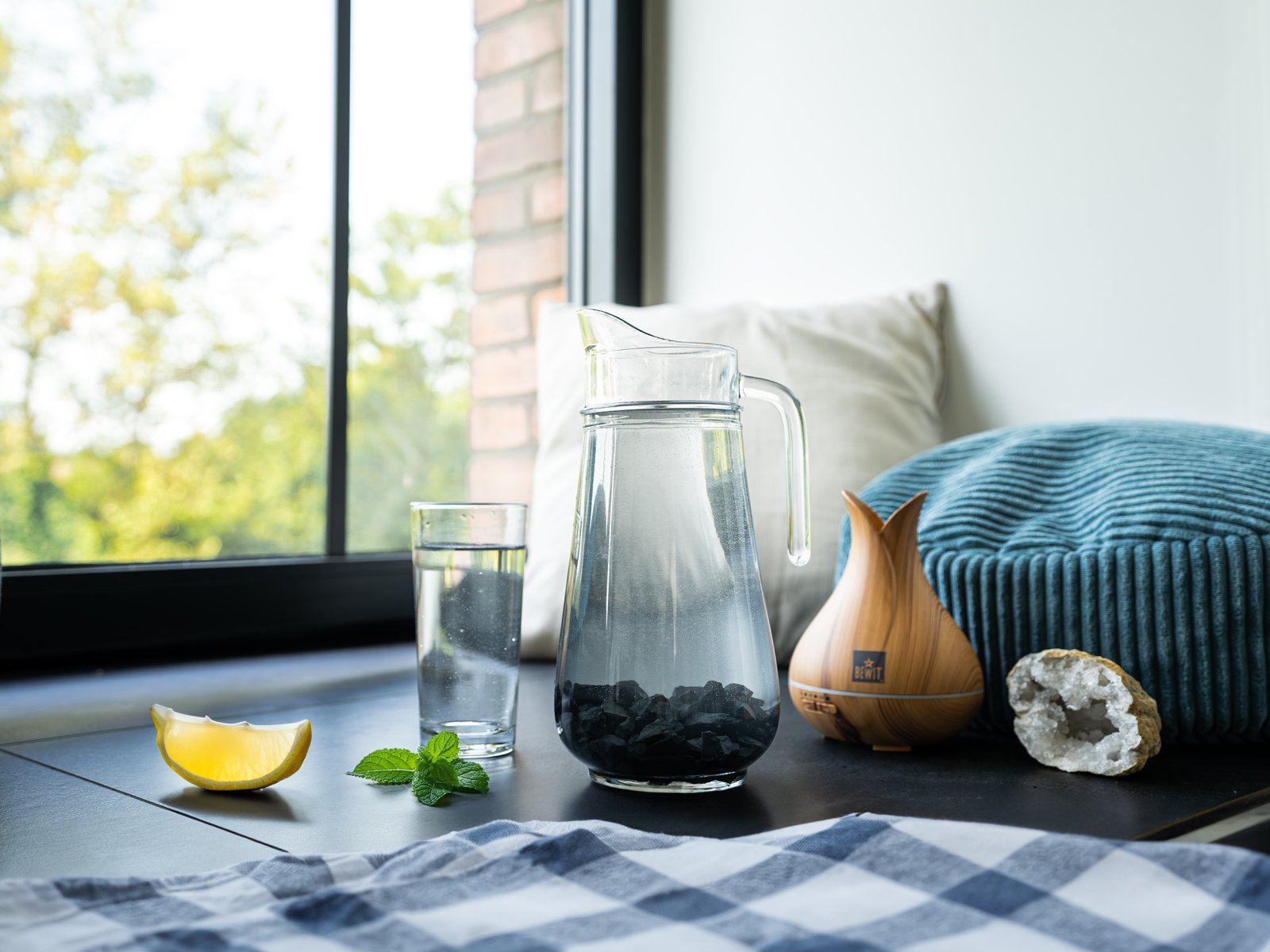
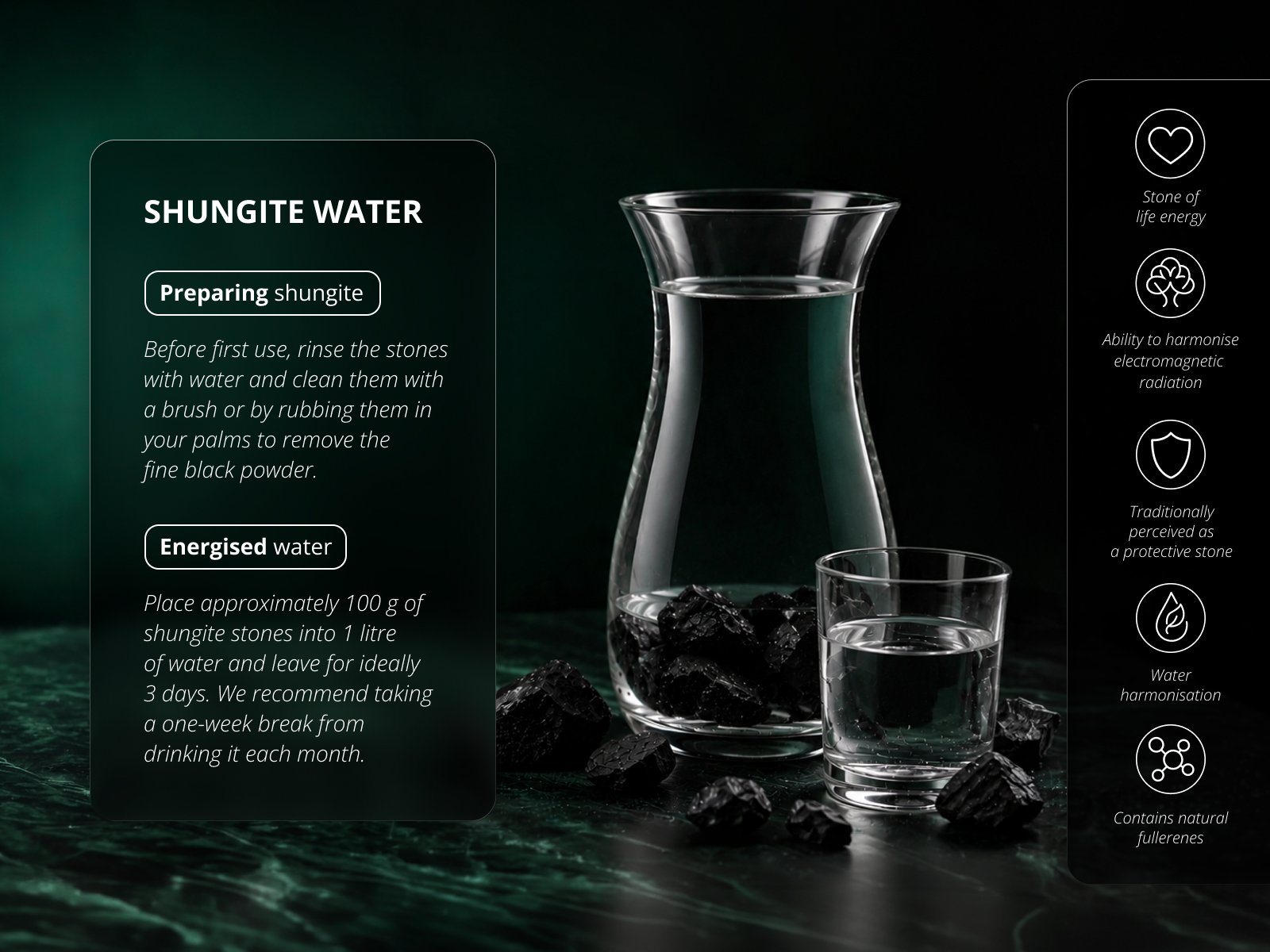
Spread on the bottom of the container, pour in drinking water
Spread 500 g of shungite grit on the bottom of a glass container and pour
5 litres of drinking water into it. Leave the container with
the grit and water thus prepared in a dark place for 24 hours. Then pour the
water into another clean container.
Caution:
- Before each use, especially the first use, rinse the shungite crumb
thoroughly with water.
- After six months of use, the shungite pulp should be replaced with a
new one.
- Always prepare the water in a glass or stoneware container.
- The possible appearance of rust stains is not detrimental. These are pyrite
stains, which are a natural part of shungite.
PARAMETERS AND SPECIFICATIONS
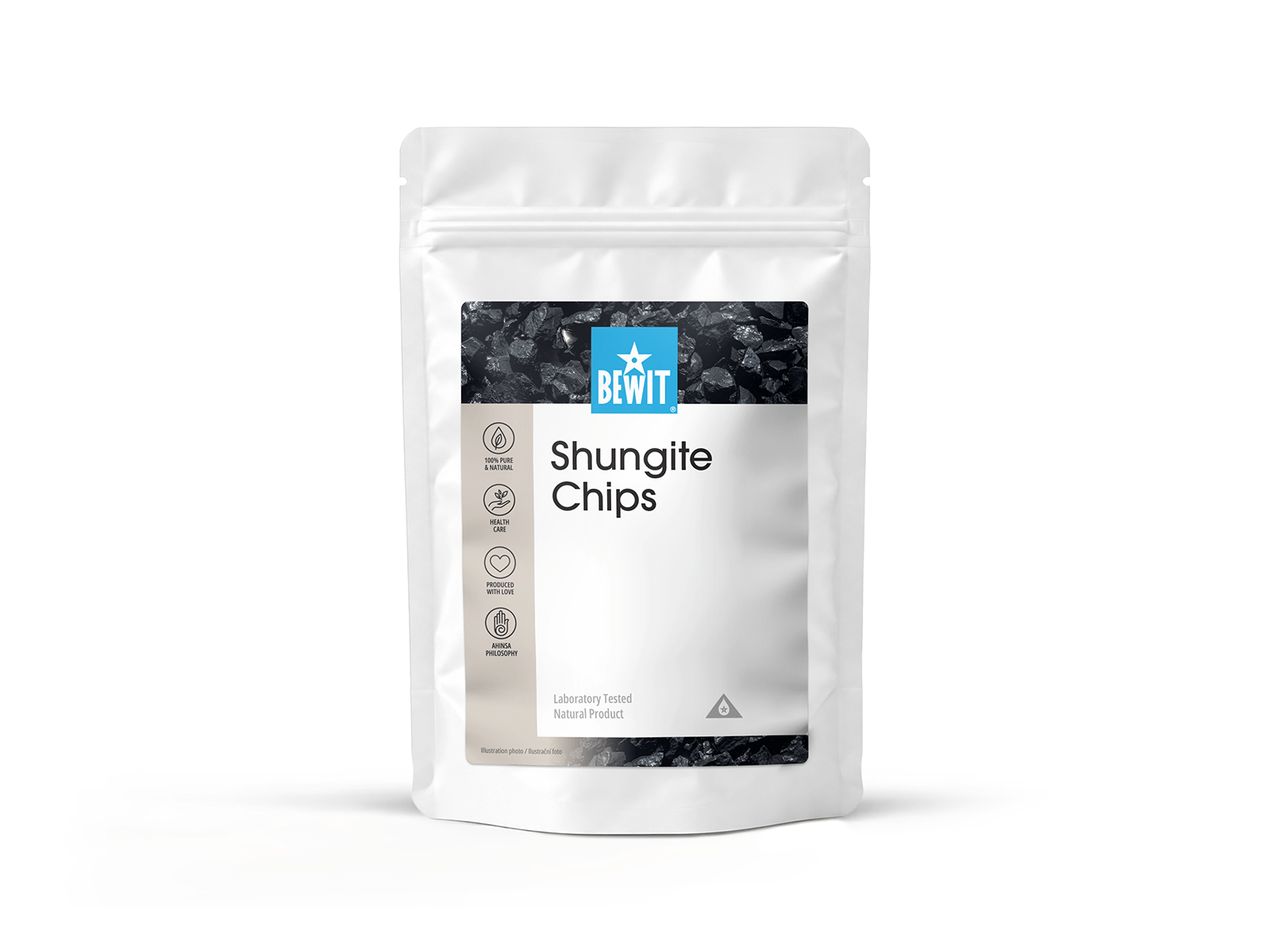
Weight: 500 g






 Български
 Čeština
 Deutsch
 Eesti
Eesti
 Español
 Français
 Hrvatski
 Italiano
 Latviešu
 Lietuvių
 Magyar
 Nederlands
 Norsk
Norsk
 Polski
 Português
 Română
 Русский
 Slovenčina
 Slovenščina




 RO (
RO (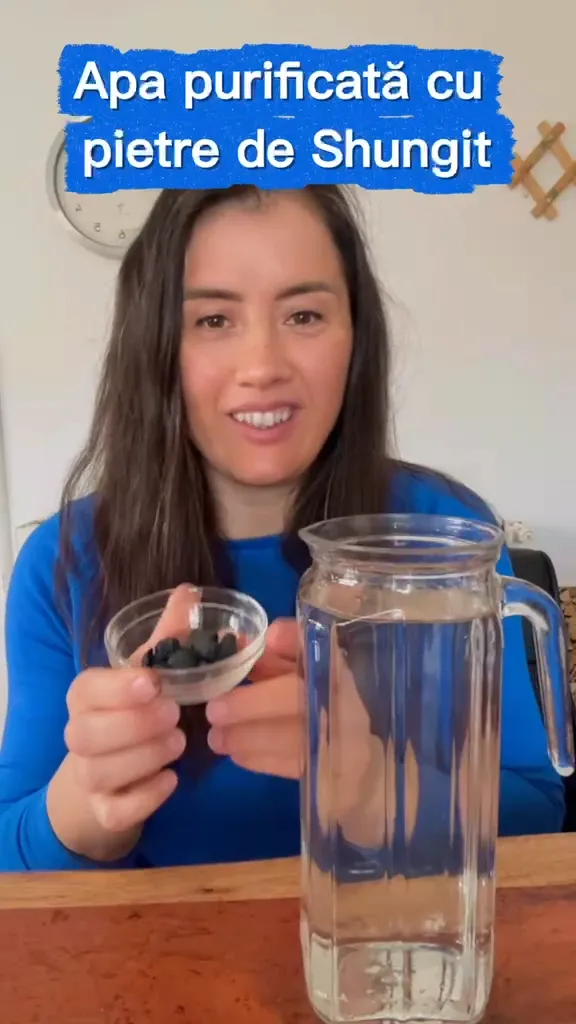


 CS (
CS (

 SK (
SK (
