CITRINE – STONE OF THE SUN
Natural citrine is rare compared to other quartz
species.
The word citrine comes from the Greek word meaning lemon, as many of the
earliest crystals found were lemon-like in colour. In contrast to heat-treated
amethyst, which is deep yellow, genuine citrine usually has a very faint
colour. Since time immemorial it has been revered as the stone
of the sun. It bestows calmness and serenity.
Among the sites in the Czech Republic are the surroundings of Velký
Meziříčí and Dolní Bory, Liberec region.
Abroad, it is mainly France, Britain, Russia, Madagascar, Spain, the USA and
Brazil, etc.
BENEFITS OF CITRINE
- From an astrological point of view, it belongs to the signs of Leo,
Gemini, Virgo, Taurus.
- Within the chakra system – it is the stone of the
solar plexus, the umbilical chakra.
- Citrine is a good stone for balancing all chakras.
- It has the ability to cleanse and energise all
chakras.
- Citrine is a good stone for cleansing the aura.
- A stone for the winter month of November, it appeals to us
because as the dark winter nights approach, this may be the time when we
most long for the light.
Brightens up the home
Citrine is a wonderful stone to brighten up your home,
especially if you have corners that need
brightening. Citrine like a ray of sunshine illuminates everything and
creates a unique atmosphere in the entire home.
The Merchants Stone
Citrine also known as the „stone of merchants“, helps
you to manifest more, its placement in the
workplace is appropriate, it can promote to work success, to
prosperity. As a stone that removes negativity and
stress, it is a secret weapon in the business world or simply
attracts exactly what you need and want.
It absorbs negativity
Due to its energy and colour, citrine is associated with the sun. It is a
stone that banishes darkness and night fear and helps
protect from negative people, increases
intuition.
THE HISTORY OF CITRINE
For several centuries BC, the golden lustre of citrine was admired and
favoured as a decorative gemstone. Ancient Greek and Roman jewellers decorated
rings with citrine. In the Middle Ages, citrine was considered a healing
amulet capable of curing poison. The Scots used to decorate their
daggers with citrine. The stone was also a favourite of Queen
Victoria, who had her costumes inlaid with them.
Later, in the era of Hollywood star Greta Garbo,
citrine jewellery was paraded on the red carpet in Art
Deco style.
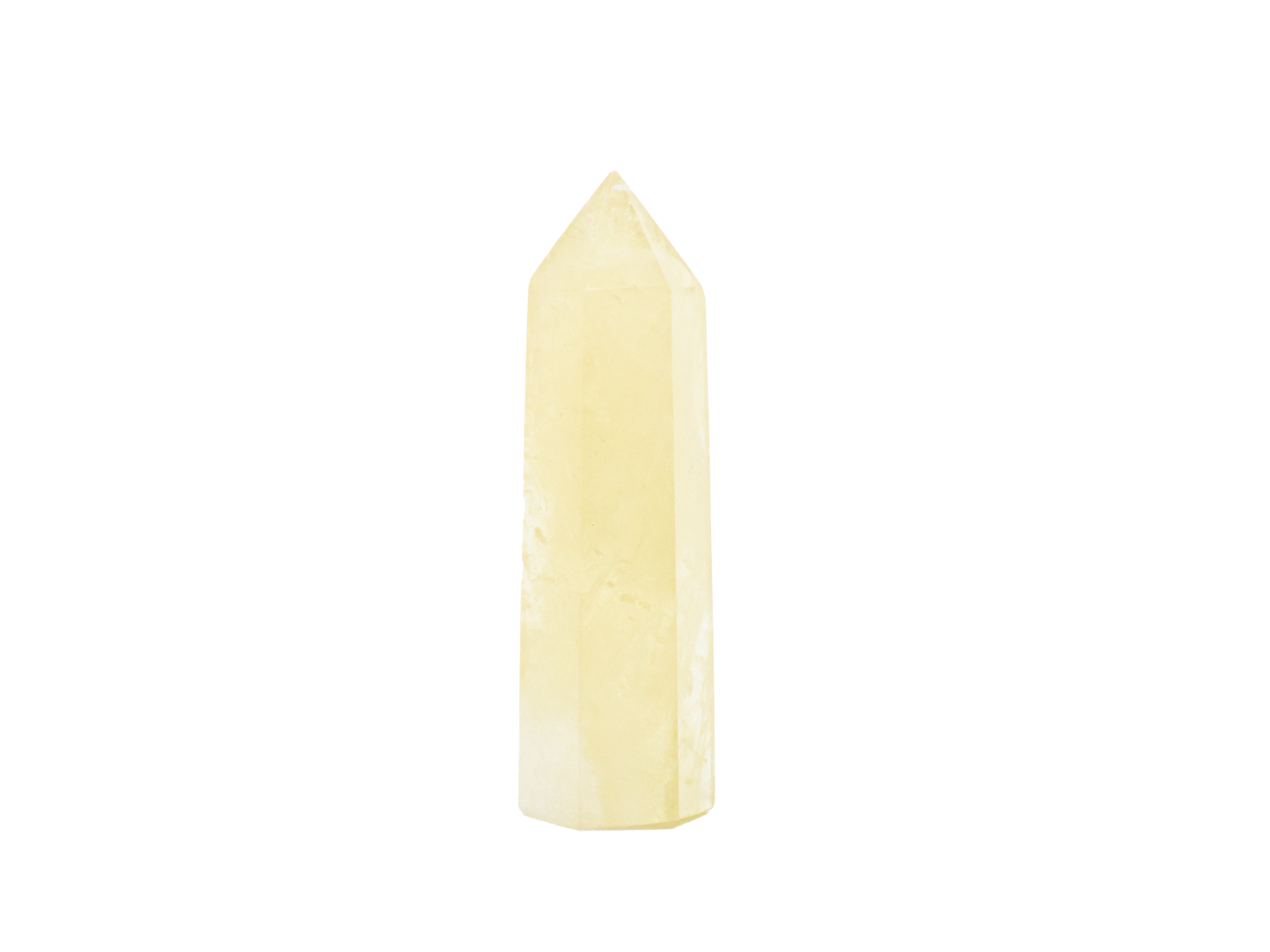
SPECIFIKACE
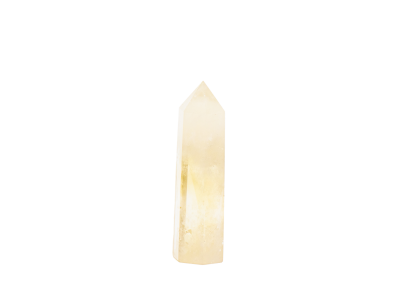
Height approx. 80–110 mm.
Smaller weight approx. 80–100 g, larger 110–130 g.
Sharpened to a point.
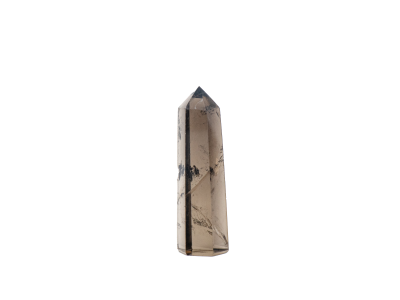
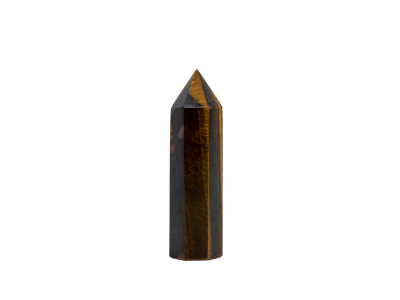
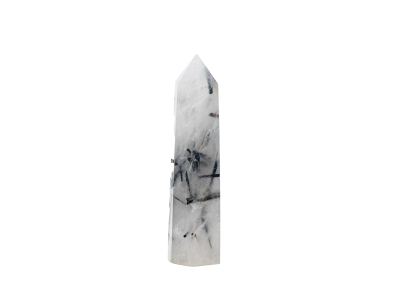
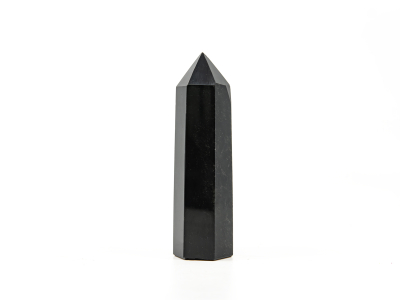
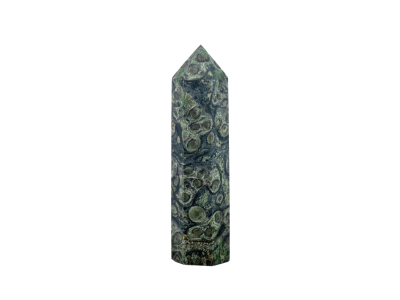
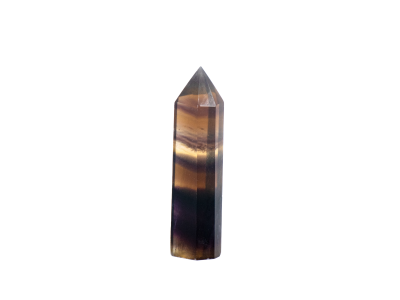
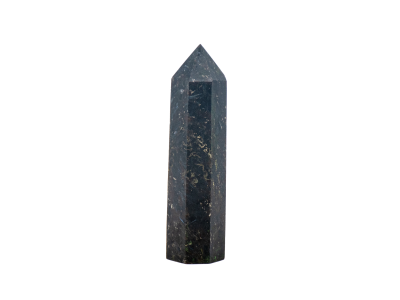
Photo is for illustration only. Each semi-precious stone is an unique
original and may differ slightly in shape and texture from the
photographs.





 Български
 Čeština
 Deutsch
 Eesti
Eesti
 Español
 Français
 Hrvatski
 Italiano
 Latviešu
 Lietuvių
 Magyar
 Nederlands
 Norsk
Norsk
 Polski
 Português
 Română
 Русский
 Slovenčina
 Slovenščina



 SK (
SK (