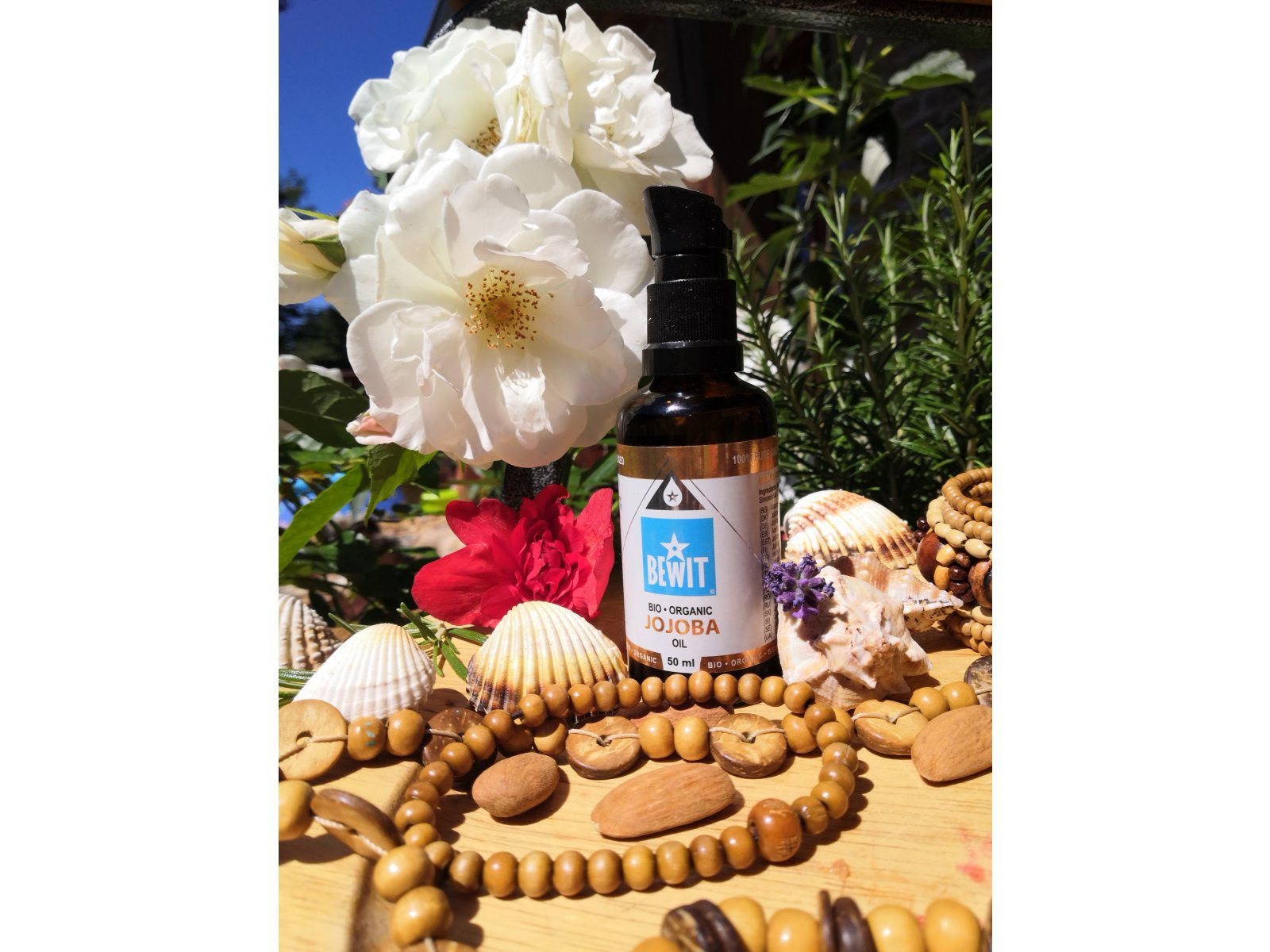
Jojoba oil is obtained by pressing the seeds of the Chinese jojoba, sometimes
referred to as desert nut. Although it is called Chinese, it does not come from
that country. It is the fruit of a long-lived evergreen shrub that grows to a
height of about 3 m and is cultivated mainly in Mexico, Arizona, Israel,
Australia, Argentina, Peru and India, i.e. in warm regions. The seeds are about
10 to 15 mm long and resemble an acorn in shape.
Thanks to its chemical composition, it practically does not fade and has a
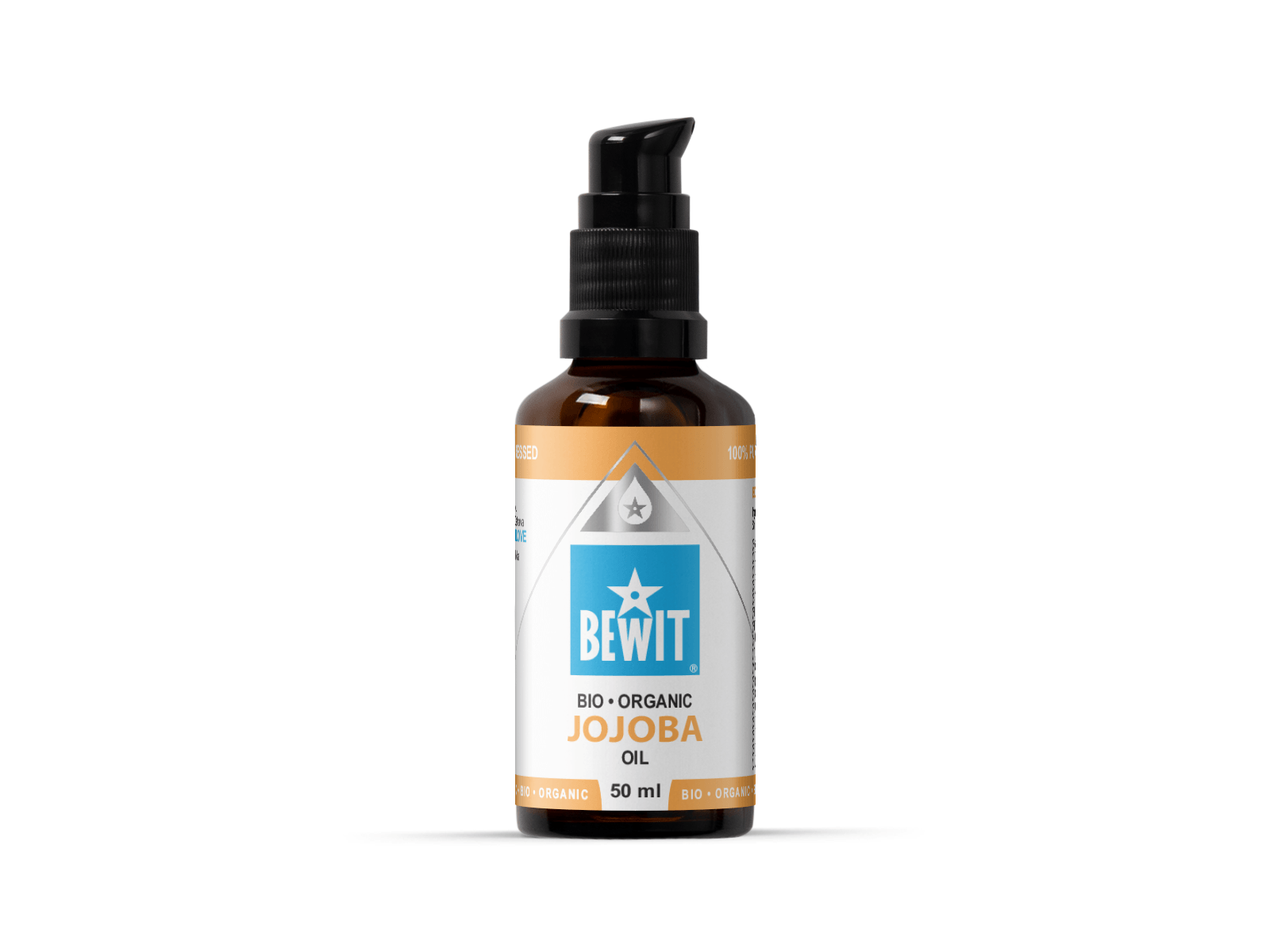
long shelf life when stored properly. Jojoba oil is often referred to as an oil,
but chemically it is more of a wax, although it is liquid at room temperature.
It is clear and golden yellow in colour. It has a neutral scent, so it is often
used in blends with essential oils. UV factor 4. It is used in cosmetics and
massages. It is suitable for any skin type. It spreads very well, has excellent
absorption and leaves a pleasant silky matt on the skin, leaving the skin supple
and elastic.
This oil has been used since time immemorial by Native Americans, especially
the Apache. Native American women used it to ease childbirth, support scar
healing, and smooth the skin.
It is not used as a food.
The freezing point is approximately 12 °C.
The bulk density at 20 °C is approximately 0.864 g/cm³.
Main components: waxes of long-chain (18–22) fatty acids and alcohols,
fatty acids – mainly gadolinium (C20:1) approx. 70%, erucic (C22:1) approx.
15% and oleic (C18:1) approx. 12%, vitamins, lecithin.
Czech botanical name: Jojoba čínská
English name: Jojoba
Latin name: Simmondsia chinensis
Country of origin: India





 Български
 Čeština
 Deutsch
 Eesti
Eesti
 Español
 Français
 Hrvatski
 Italiano
 Latviešu
 Lietuvių
 Magyar
 Nederlands
 Norsk
Norsk
 Polski
 Português
 Română
 Русский
 Slovenčina
 Slovenščina





 CS (
CS (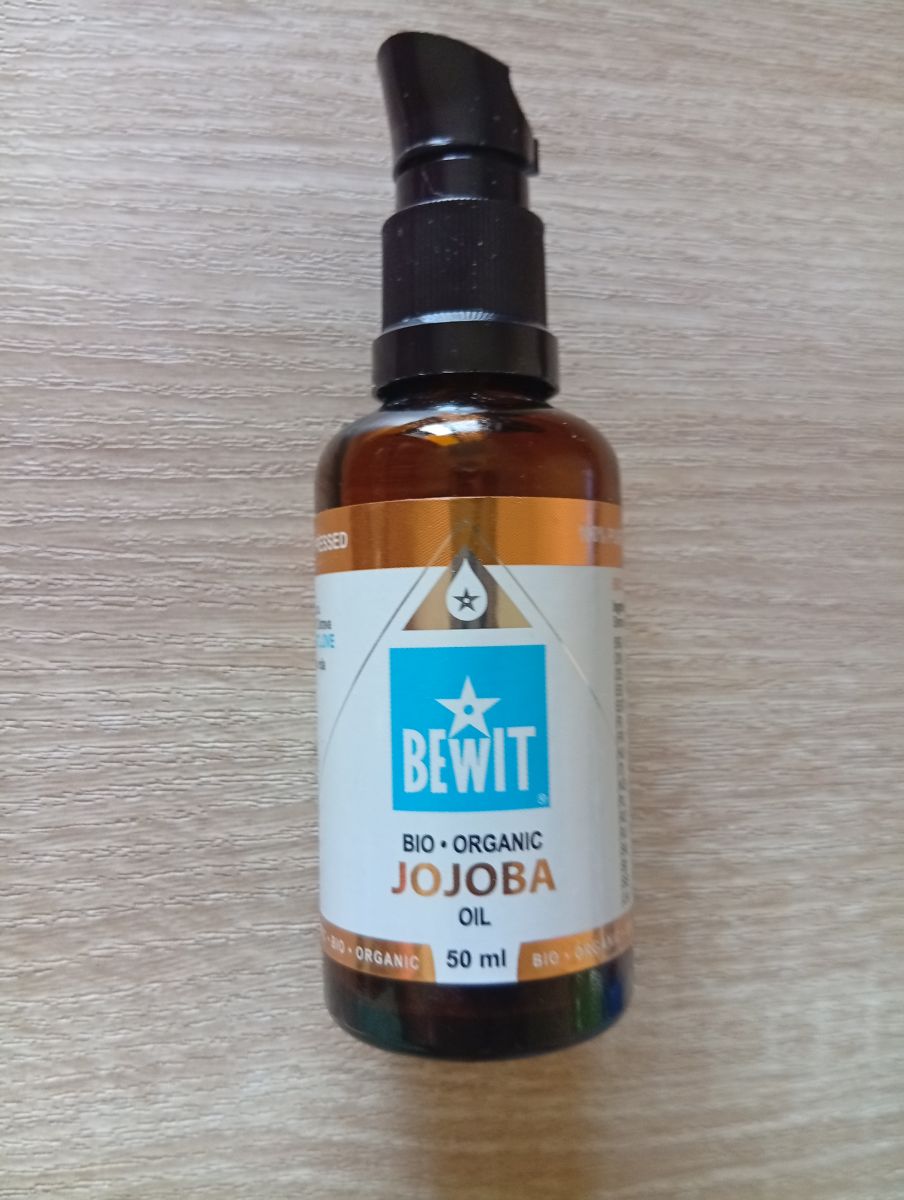


 HU (
HU ( SK (
SK (
