
 Български
 Čeština
 Deutsch
 Eesti
 Español
 Français
 Hrvatski
 Italiano
 Latviešu
 Lietuvių
 Magyar
 Nederlands
 Norsk
 Polski
 Português
 Română
 Русский
 Slovenčina
 Slovenščina

The olive tree has accompanied the inhabitants of the Mediterranean for thousands of years. Oil from its fruits served as food, a valuable trading commodity, lamp fuel, and a part of daily care. Civilisations changed, lifestyles transformed, but olive oil remained. Join us on its trail and discover what people used it for in the past, what traditions have survived to this day, and how to choose quality olive oil.
In this article, you will learn how people used olive oil in ancient times, how its traditional uses are reflected in the present, how to choose quality extra virgin olive oil, and how to simply enjoy it in a Mediterranean-inspired recipe.
The Olive Tree: A Tree That Survives Entire Civilisations
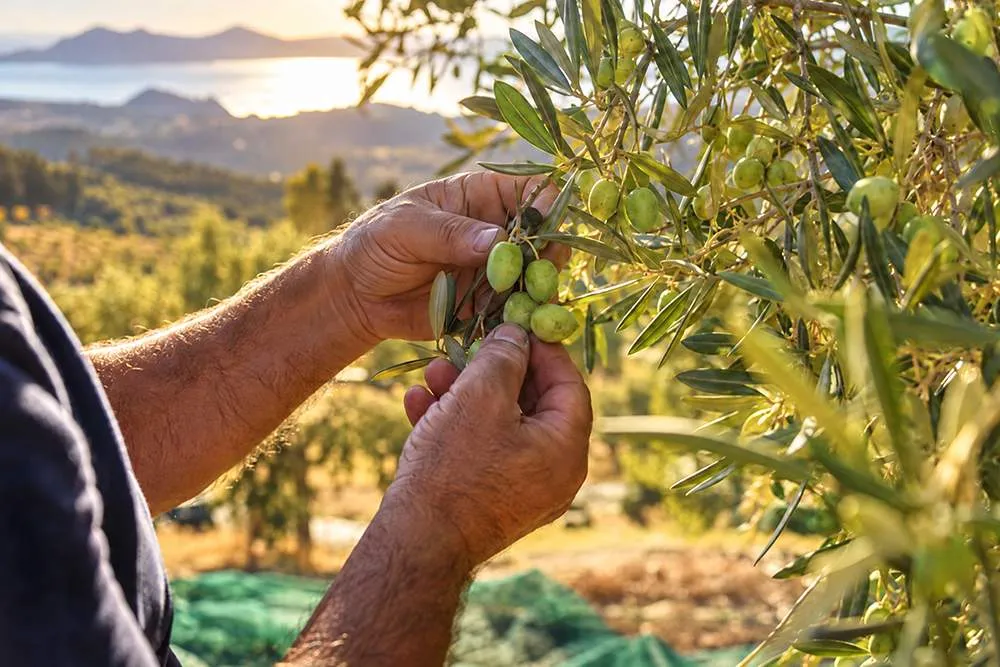
The European olive tree (//Olea europaea//) is an evergreen, slow-growing tree from the olive family. It has adapted well to hot and dry landscapes, where it thrives unlike many other plant species. It only bears its first olives after twenty or more years, and some specimens can live for hundreds of years. Even very old trees can continue to produce new shoots and bear fruit.
People collected wild olives long before the emergence of the first great Mediterranean civilisations. According to archaeological findings, the deliberate cultivation of olive trees began more than six thousand years ago in the Eastern Mediterranean. From there, their cultivation gradually spread further.
Thanks to their exploratory and trade voyages, the Phoenicians spread olive trees throughout the Mediterranean region, to Crete, Greece, and later to other areas on the Mediterranean coast. Along with olive trees, their most valuable product – oil – also travelled. This became not only an indispensable part of ancient households, a ritual aid, but also a valuable trading commodity.
Olive Oil Has Always Been on the Table
Bread, olives, legumes, vegetables, fish, and olive oil. These are the simple ingredients that formed the basis of Mediterranean cuisine for centuries. Many of them can still be found in it today. Olive oil was traditionally used directly cold, for seasoning finished dishes, and for preparing other meals. It also helped preserve some foods, such as cheeses, herbs, or vegetables.
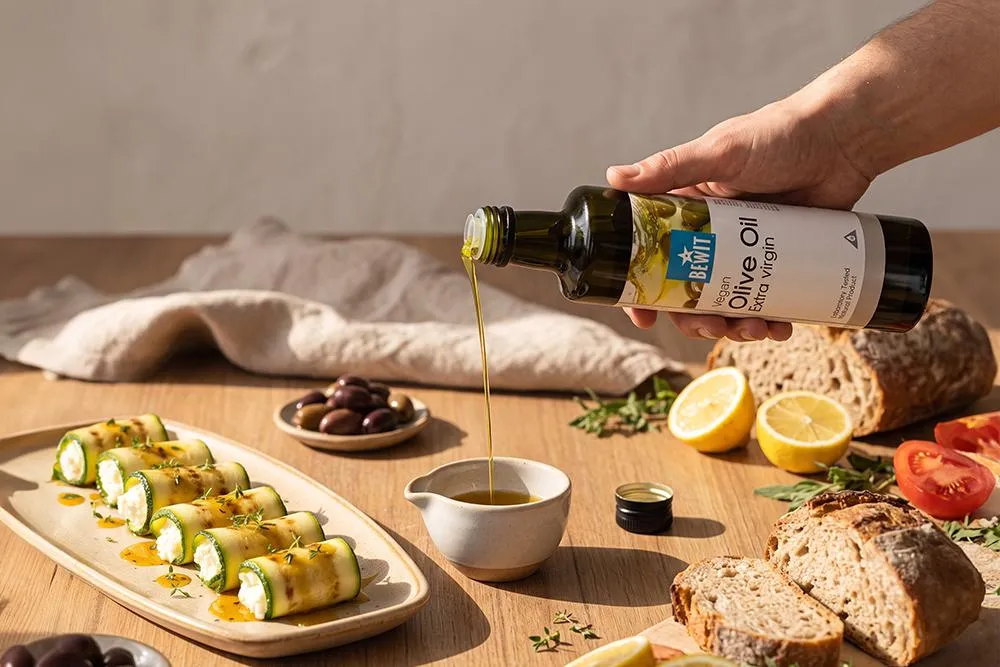
Its simplicity remains one of its greatest advantages even today. Drizzle it over a fresh salad, add it to a marinade, basil pesto, or legume spread. You can also use it for cooking or baking. Quality extra virgin olive oil doesn't need complex combinations. Sometimes all it needs is fresh bread, a pinch of salt, and a few turns of a pepper mill.
Try: Mediterranean Salad with Olive Oil
You will need:
- 3–4 ripe tomatoes,
- 1 small cucumber,
- ½ red onion,
- a handful of olives,
- approximately 100g of plant-based Greek-style cheese alternative,
- 2–3 tablespoons of Extra Virgin Olive Oil,
- a pinch of Himalayan Pink Salt – finely ground,
- several peppercorns of Whole White Pepper, Organic, freshly ground to taste,
- optionally fresh oregano or basil,
- a few drops of lemon juice to taste.
Chop the vegetables into larger pieces and mix lightly. Add the olives and plant-based cheese. Drizzle the salad with extra virgin olive oil, add a pinch of finely ground pink Himalayan salt and freshly ground white pepper.
Finally, you can add fresh oregano, basil, or a few drops of lemon juice. This simple recipe allows the individual ingredients to shine, perfectly in the spirit of traditional Mediterranean cuisine.
Accompanied body care
In ancient Greece, olive oil also had its place where we would today look for a shower and a cosmetic bag. Greek athletes would rub their bodies with oil before exercising. After their performance, they would remove the layer of oil, sweat, and dirt with a curved scraper called a strigil.
In combination with aromatic substances, resins, and herbal extracts, it was also used as a base for various fragrant mixtures, ointments, and cosmetic products. Greek, Egyptian, and Roman women used it to remove make-up and to care for their face, entire body skin, and hair. The tradition has not disappeared in modern times either. Olive oil is still used as a cosmetic ingredient; you can find it, for example, in face or body creams.
What has changed over thousands of years?
At first glance, a lot. Modern technologies have replaced stone presses, oil travels all over the world, and its properties can now be precisely analysed in a laboratory.
But the principle remains the same: olives need to be harvested, processed, and the oil separated from them. For virgin olive oils, the oil is extracted using mechanical processes without a purification process, i.e., refining. The highest quality oils are cold-pressed, retaining the maximum amount of naturally occurring substances.
The processing method, the condition of the olives used, the time between harvest and processing, and subsequent storage all have a crucial impact on the resulting oil. Today, you don't just have to judge quality by taste. Specific data can also help.
How to recognise quality olive oil
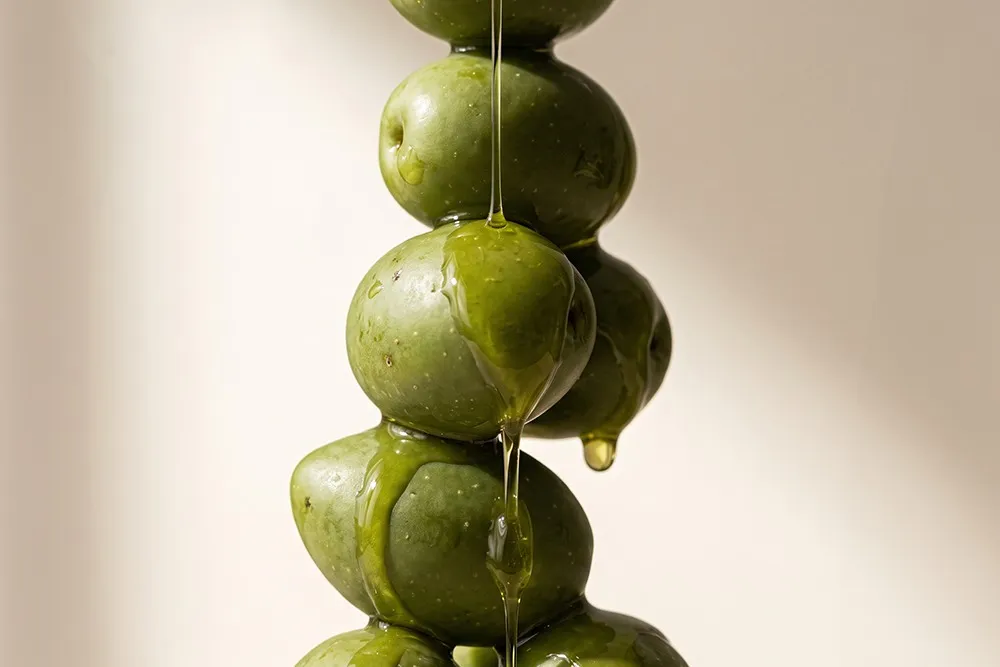
Choose oil labelled extra virgin olive oil. This category has precisely defined parameters. Olives must be processed within 24 hours of harvest, mechanically, under low pressure and at low temperatures. No solvents or other chemicals may be used during pressing. The oil is then filtered to remove olive residues.
Quality can also be recognised in the laboratory. According to European rules, extra virgin olive oil can have an acidity of no more than 0.8% and a peroxide value of a maximum of 20 meq O₂/kg. Values for other analytical indicators, such as K232 and K270, are also set. These are laboratory data that show whether oxidation is occurring. For extra virgin olive oil, according to European parameters, the K232 limit is a maximum of 2.50, and the K270 limit is a maximum of 0.22.
When choosing, therefore, pay attention to these parameters:
- Origin of the oil: A specifically stated country or region will tell you more than a vague designation of a blend of oils.
- Harvest date: If the producer states it, you can more easily estimate the freshness of the oil.
- Packaging: A dark bottle or other light-protective packaging allows for gentler storage and preservation of original properties.
- Analytical data: Already mentioned terms such as acidity, peroxide value, or K232 and K270 values provide more precise information about the oil's properties.
- Aroma and taste: Extra virgin oil should have a fruity character and should not show sensory defects. It can be mild, but also distinctly bitter or spicy – depending, among other things, on the olive variety and harvest time.
One single value alone will not tell you the whole story of the oil. However, the more information the producer makes available about the origin and quality, the better you can choose.
From Crete to your table
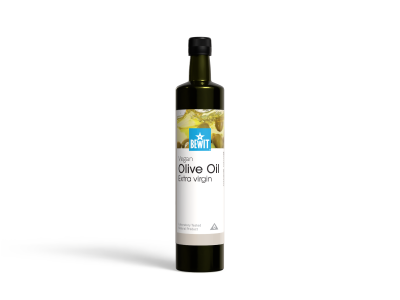
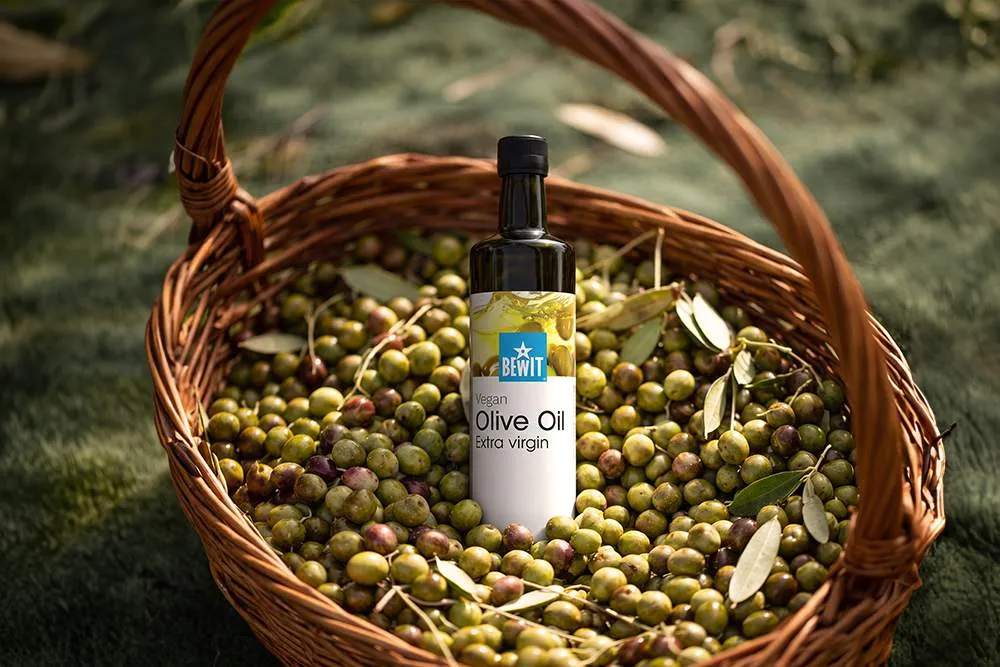
Crete is one of those places where the history of the olive tree has been written for thousands of years. Connoisseurs claim that it is here that the best olive oils are pressed. And it is from here that BEWIT's Extra Virgin Olive Oil also comes.
Its laboratory-verified parameters meet the established limits for the extra virgin olive oil category, plus our emphasis on a gentle production method from carefully selected olives and proper storage protecting the oil from heat and sun. So you can be sure that you are buying truly high-quality, honestly produced olive oil.
Allow it to shine. Drizzle it over vegetables, fresh bread or a finished soup and enjoy one of the oldest culinary traditions of the Mediterranean in its simplest form.
What to remember from the article
- The olive tree has been cultivated in the Mediterranean for over six thousand years.
- It is an exceptionally long-lived evergreen tree adapted to the dry Mediterranean climate.
- Many of its traditional culinary uses are still known today – from flavouring finished dishes to marinades or baking.
- The designation extra virgin olive oil is associated with specific requirements for production methods and quality.
- When choosing, pay attention to the origin, packaging, available information about the harvest, and possibly also analytical parameters.
Frequently Asked Questions about Olive Oil
What is the difference between olive oil and extra virgin olive oil?
Extra virgin olive oil represents the highest category of virgin olive oils. The oil is obtained exclusively by mechanical processes, without the use of solvents and chemicals, and strict chemical and sensory requirements must be met during its production. One of these is, for example, free acidity, which must not exceed 0.8%.
The designation "olive oil", on the other hand, can also apply to a product containing refined olive oil mixed with virgin olive oil. This also has its uses, but it is not very suitable for cold cuisine. Therefore, it is worth reading the full name on the label.
Does extra virgin olive oil only have to be used cold?
It is best in cold cuisine because its extraordinary taste properties and health benefits stand out. It works wonderfully in salads, dips or on finished dishes. If it is filtered and there are no olive residues that would burn, it can also be used for heat treatment up to 180 °C, but it is not suitable for frying.
Mediterranean nations often use other categories of olive oil in hot cuisine, such as virgin, refined or pomace oil, which has higher thermal stability and a neutral taste.
Can good quality olive oil be bitter or pungent?
Yes. Bitterness and pungency are not always a sign of a defect, but on the contrary, a main sign of quality. They are among the natural sensory properties of olive oils, depending on the olive variety, their ripeness and the processing method.
Is good quality olive oil always green?
No. The colour can range from green to golden hues and is influenced, for example, by the variety and ripeness of the olives. The colour itself is therefore not a reliable measure of quality.
How to store olive oil correctly?
Keep it well sealed, away from direct light and heat sources. A dark bottle or other packaging that limits the effect of light is practical. Therefore, do not leave it, for example, standing for a long time on a sunny kitchen counter or right next to the cooker. However, storage in the refrigerator is also not suitable, as it becomes cloudy, solidifies and loses flavour. The most suitable place is a dark and cooler place with a stable temperature around 15-20 °C, such as a pantry.
What does olive oil acidity mean?
Acidity is one of the important parameters indicating the quality of olive oil and is a contributing factor in its classification as extra virgin. It is not a sourness that you would simply recognise by taste. It expresses the content of free fatty acids and is one of the laboratory-monitored parameters of olive oil. According to European rules, extra virgin olive oil must not exceed 0.8%.