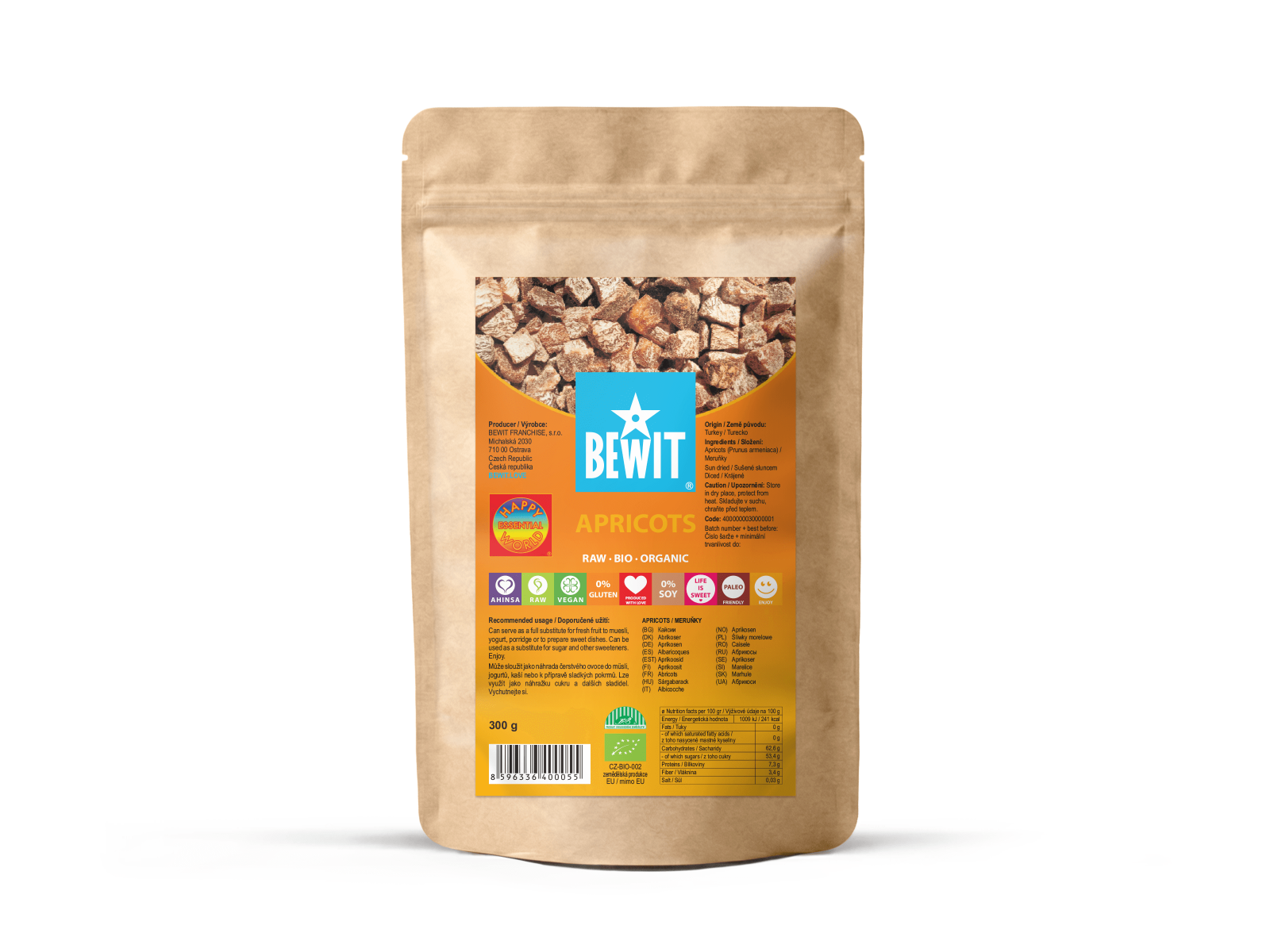
BIO RAW dried apricots
Dried apricots, a healthy snack full of vitamins and minerals that is
guaranteed to drive away sweet cravings. Moreover, they are surprisingly soft
and juicy. For their delicious, subtle honey flavour, they make a great addition
to breakfast porridges, yoghurts, baked, unbaked and RAW treats. They're also
delicious on their own.
History
A trusted component of many culture
Regardless of origin, apricots are an invaluable part of many cultures around
the world. Even the Ancient Egyptians prepared their traditional
drinks from the flesh of apricots. On the other hand, English
settlers were keen to the soothing apricot oil. And it is only
thanks to the pioneering Greeks that we can enjoy them here in Europe. [1]
In Shigar Valley
Wild river turns to wilderness, that's how you can describe the Shidgar
Valley, the gateway to the high mountains of northern Pakistan. It's hard to
believe, but there are people living in this remote area. They depend solely on
local resources and despite the harsh living conditions, enjoy great
health and longevity. They are guided by intuition and, much to their
surprise, apricots are their livelihood. [2]
Origin and cultivation
Fully ripe, sun-dried
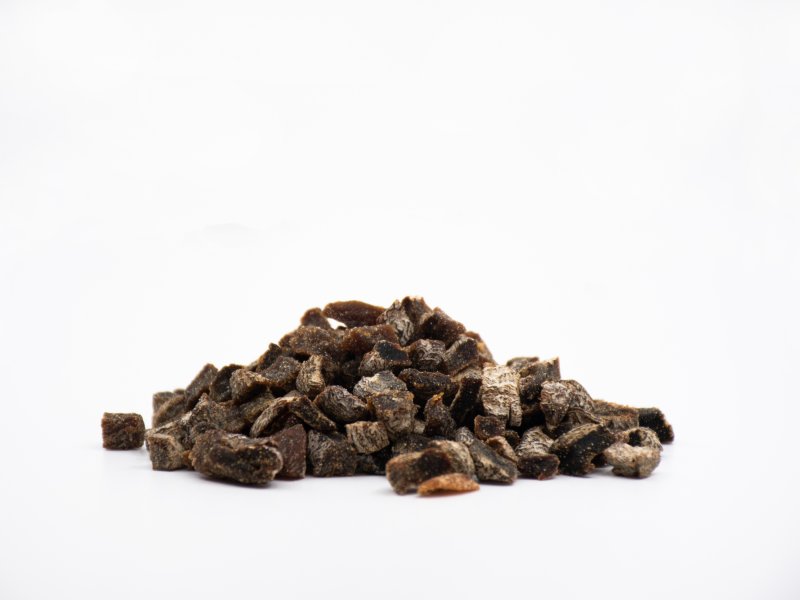
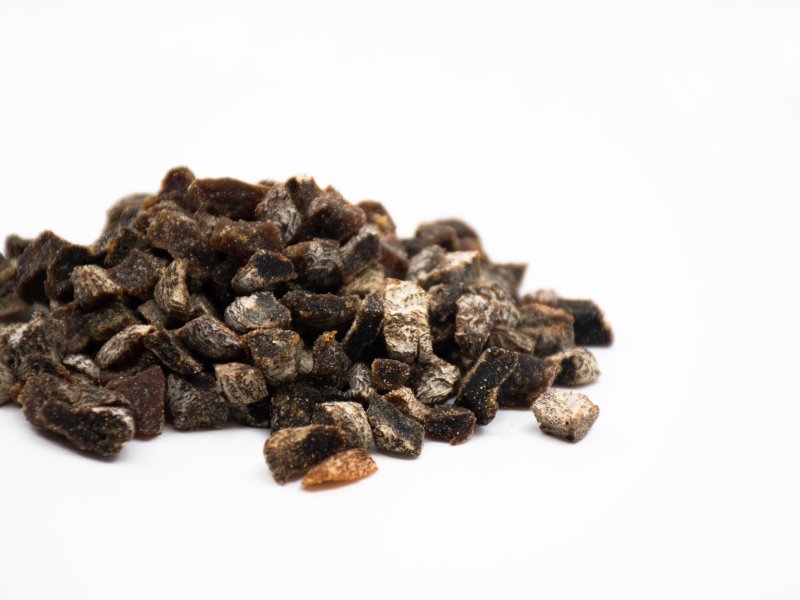
After harvesting, fully ripe apricots are cleaned, pitted and dried in the
most gentle way, in the sun. After drying, they are then cut
into practical, smaller pieces.
To avoid sticking
Since apricots are a source of natural sugars, they tend to
stick together. Sticking is prevented by a thin layer of
rice flour which is sprinkled on them.
Free of sulphur dioxide and added sugar
Our apricots are not sulphured. They have a naturally dark
colour and a milder taste. They are not sweetened.
Composition and properties
Full of vitamins and minerals
Apricots, a dried fruit full of vitamins, minerals and other
beneficial substances for which it is associated with numerous beneficial
effects.
Use
For breakfast porridge, yoghurt, baked, unbaked and RAW treats
The subtle honey flavour of dried apricots is great in breakfast porridges,
yoghurts and in baked, unbaked and RAW treats. They're also delicious on
their own.
Sources
[1] DROGOUDI, PAVLINA D., STAVROS VEMMOS, GEORGIOS PANTELIDIS and CHRYSOULA
TZOUTZOUKOU. Physical Characters and Antioxidant, Sugar, and Mineral Nutrient
Contents in Fruit from 29 Apricot (Prunus armeniaca L.) Cultivars and Hybrids.
J. Agric. Food Chem. 2008, (56), 10754–10760.
[2] ABBAS, Zaheer, Shujaul Mulk KHAN, Jan ALAM, Sher Wali KHAN and Arshad
Mehmood ABBASI. Medicinal plants used by inhabitants of the Shigar Valley,
Baltistan region of Karakorum range-Pakistan. Journal of Ethnobiology and
Ethnomedicine. 2017, 13(53), 1–15.






 Български
 Čeština
 Deutsch
 Eesti
Eesti
 Español
 Français
 Hrvatski
 Italiano
 Latviešu
 Lietuvių
 Magyar
 Nederlands
 Norsk
Norsk
 Polski
 Português
 Română
 Русский
 Slovenčina
 Slovenščina















 CS (
CS (
 PL (
PL ( SK (
SK (
