History
An essential part of mustard wraps and soothing
ointments
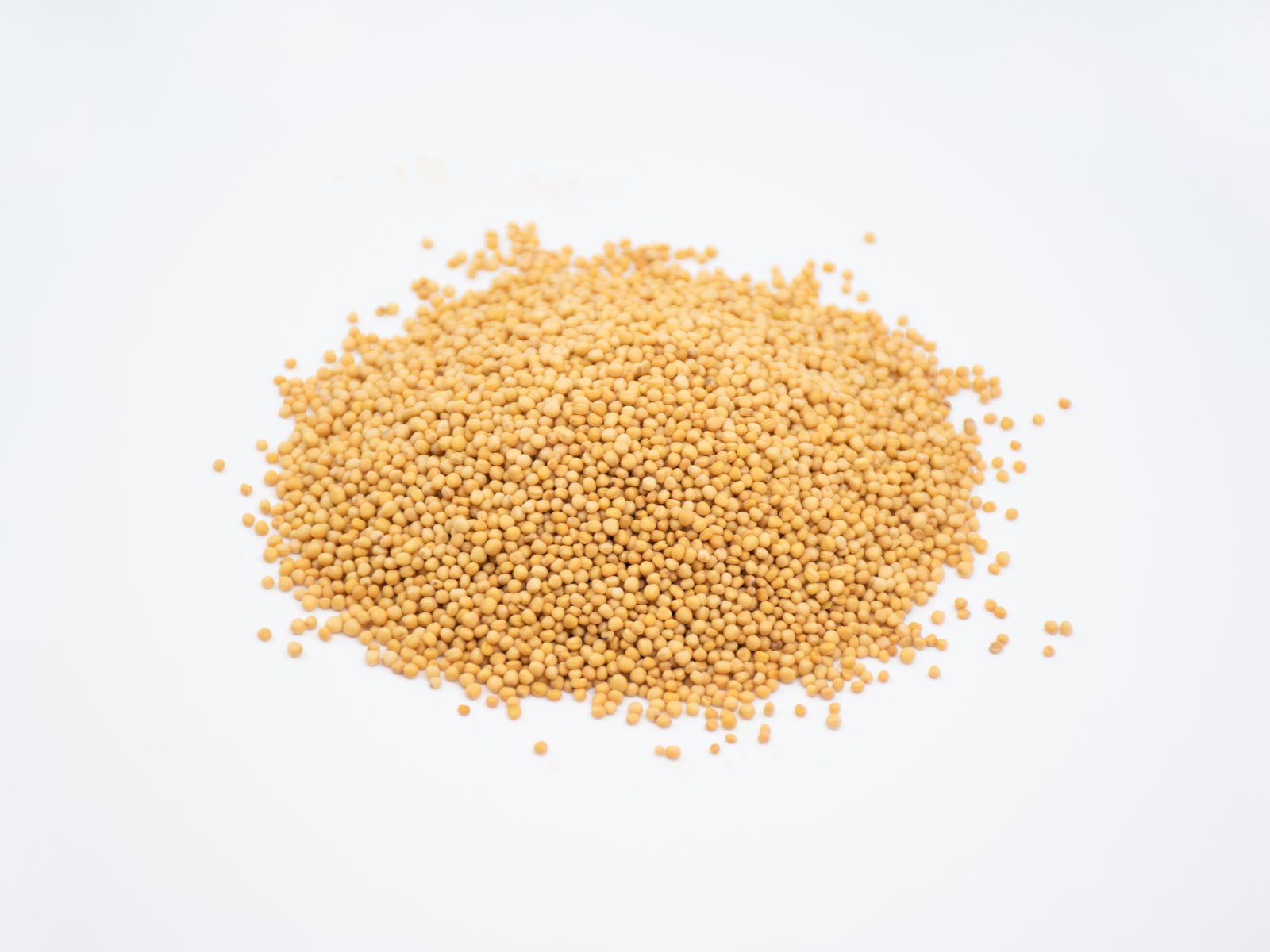
Mustard is considered one of the oldest cultivated oilseed crops
ever. Mention of the yellow seeds obtained from this plant can be found
in Sanskrit records that are thousands of years old. With the advent of the
first presses, mustard oil began to be extracted from these seeds—not only in
the region of present-day India. For its warming effects, this rich
golden wonder has become an essential part of mustard wraps and
soothing ointments.
It also plays an important role in the kitchen
This is mainly due to its naturally preservative properties and spicy taste,
which is still considered one of the basic flavours of traditional Indian food.
[1][2][3][4]
Origin and cultivation
The golden miracle hidden inside the pods
This annual oilseed plant grows up to one meter tall and blooms with small,
pale yellow flowers arranged in raceme-like clusters. The fruits of the mustard
plant are short pods covered with fine hairs. Inside the shells are preserved
mustard seeds yellow in colour, from which the
resulting mustard oil is obtained. [1][2][3][4]
Composition and properties
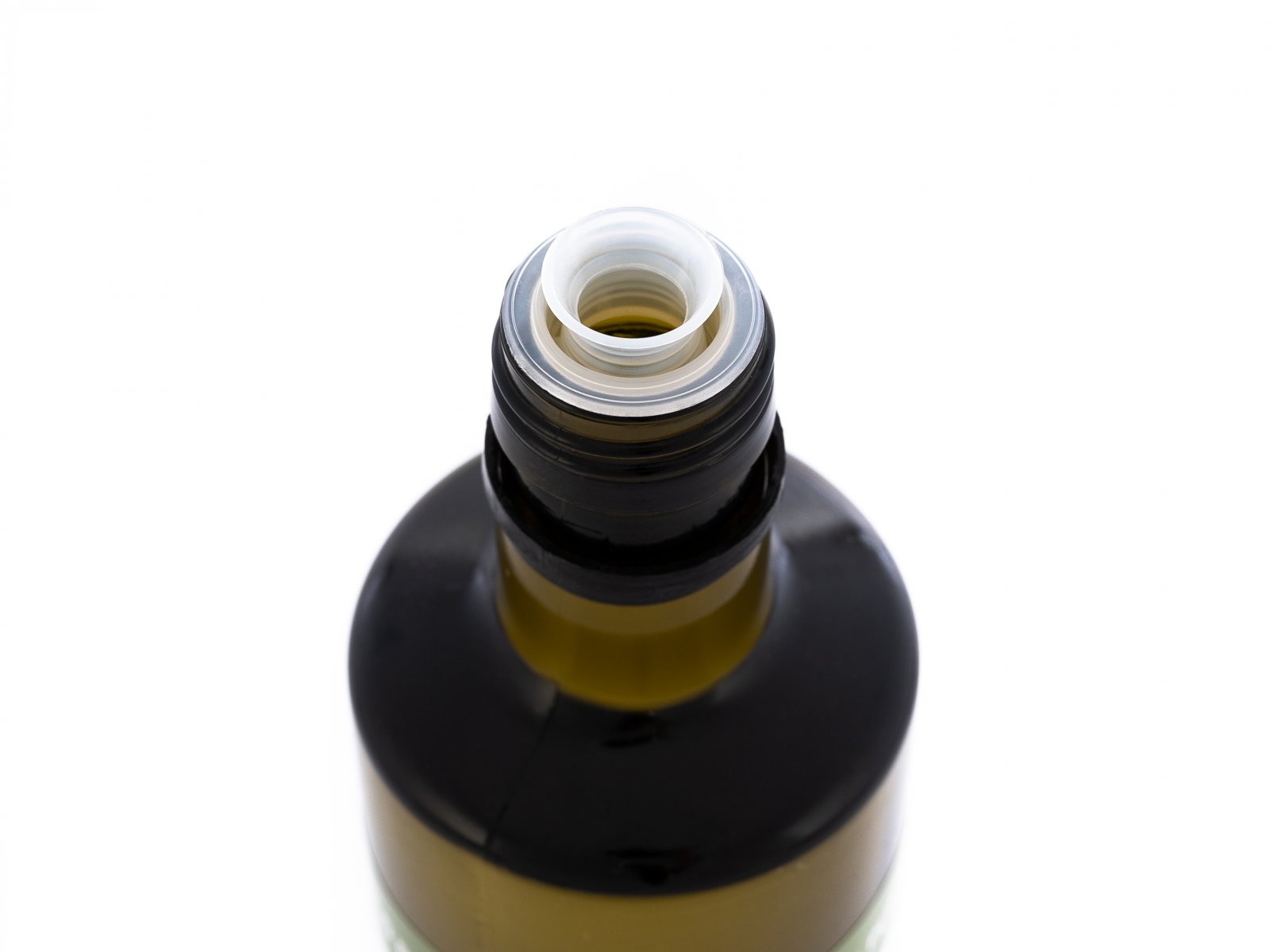
It is an edible, single-species oil that contains mainly
unsaturated fatty acids in its composition. Thanks to the
gentle pressing method and the omission of the refining process, the oil retains
its natural content of pigments responsible for its yellow to
golden hues.
Mustard oil is also a valuable source of essential minerals,
fat-soluble vitamins and other phytonutrients, in its most natural form.
Thanks to cold pressing, we preserve the maximum amount of beneficial
substances in the oil
The oil pressing process is corrected so that the temperature does
not exceed 42°C. This prevents the loss of heat-labile substances and
unnecessary degradation of the resulting oil. It is therefore a RAW,
cold-pressed oil.
We produce the oil in our production plant
We produce mustard oil with care and love in our production plant in
Ostrava.
Instructions for use
The spicy taste and mustard aroma has many uses
Due to its spicy taste and mustard aroma, this oil is an ideal ingredient for
the preparation of various salads, vegetable and legume dishes.
It has excellent absorption properties, for which you can also use it when
pickling meat – the spices are better absorbed and the
finished meat has a more tender consistency. You can also use mustard oil
when baking bread or other savoury baked goods. The bread is
beautifully yellow, soft and lasts longer after baking. Thanks to the naturally
occurring preservatives , you can extend the shelf life of the
resulting dishes.
Sources
[1] WU, Y. et al. 2016. Water-soluble yellow mustard mucilage: A novel
ingredient with potent antioxidant properties. International Journal of
Biological Macromolecules. 91, 710–715.
[2] AKBAR, Shahid, 2020. Handbook of 200 Medicinal Plants [online].
Springer [cit. 2020–05–26]. ISBN 978–3–030–16807–0. Available
from: https://doi-org.proxy.k.utb.cz/…-030-16807-0
[3] BOSCARO, Valentina et al., 2018. Antiproliferative, Proapoptotic,
Antioxidant and Antimicrobial Effects of Sinapis nigra L. and Sinapis alba L.
Extracts. Molecules. 23(11), 3004.
[4] YAN-FANGA, Xian et al., 2018. Comparison of the anti-inflammatory
effects of Sinapis alba and Brassica juncea in mouse models of inflammation.
Phytomedicine. 50, 196–204.






 Български
 Čeština
 Deutsch
 Eesti
Eesti
 Español
 Français
 Hrvatski
 Italiano
 Latviešu
 Lietuvių
 Magyar
 Nederlands
 Norsk
Norsk
 Polski
 Português
 Română
 Русский
 Slovenčina
 Slovenščina











 PL (
PL (
 CS (
CS (
 SK (
SK (
