



 Български
 Čeština
 Deutsch
 Eesti
Eesti
 Español
 Français
 Hrvatski
 Italiano
 Latviešu
 Lietuvių
 Magyar
 Nederlands
 Norsk
Norsk
 Polski
 Português
 Română
 Русский
 Slovenčina
 Slovenščina

Lavender is among the most popular herbs in the world. Its soft purple blossoms and the unmistakable fragrance of lavender oil have enchanted people for centuries. This aromatic plant has become a symbol of calm, relaxation, and natural beauty, earning its place in aromatherapy, cosmetics, and home care.
Lavender essential oil is now considered one of the most versatile natural products - it helps you unwind, supports restful sleep, and nourishes the skin. In this article, you’ll discover how lavender oil is made, how to use it safely, and how to recognise a truly pure, high-quality oil.

What Is Lavender Oil and How Is It Made?
Lavender oil is a natural essential oil extracted from the flowers of Lavandula angustifolia, also known as true lavender. It’s valued for its delicate, floral-herbal scent and its high content of aromatic compounds.
The oil is most commonly produced through steam distillation, where steam releases volatile compounds from the flowers, which are then condensed and separated from the hydrosol. This process produces pure lavender essential oil - an intensely fragrant extract rich in natural aromatics.
There are also alternative methods, such as macerating lavender blossoms in a carrier oil. This approach is common in home production, resulting in a so-called lavender macerate — a pleasantly scented oil with gentler aromatherapeutic effects. Cold pressing is rarely used for lavender, as the plant contains too little oil for this technique to be efficient.
The production process has a crucial impact on the quality of the final oil. The origin of the lavender, as well as the cultivation and storage methods, also play an essential role.
Effects of Lavender Oil on the Body, Skin, and Mind
Thanks to its gentle yet distinctive scent and natural origin, lavender essential oil has become a cornerstone of cosmetics, aromatherapy, and home relaxation. Traditionally, pure lavender oil is used to promote a sense of calm and balance and to help soothe the skin. It helps create a harmonious environment while providing gentle care for both body and mind.
Lavender Oil for the Skin
Lavender essential oil is one of the most sought-after natural oils in skincare. With its soft floral scent and natural purity, it brings a feeling of cleanliness, balance, and calm. It’s especially suitable for skin exposed to stress, fatigue, or environmental factors.
Pure lavender essential oil is often used as part of an evening routine, helping to create a relaxed atmosphere and enhance overall wellbeing. Before applying it to the skin, it’s important to always dilute essential oils.
For cosmetic use, you can try the Lavender Deux blend. Mix one drop of this blend with about 30 ml of a carrier oil such as jojoba, almond, or apricot. Gently massage into damp facial or body skin, ideally in the evening after cleansing. The lavender scent evokes calm, relaxation, and harmony - the perfect atmosphere for your evening skincare ritual.
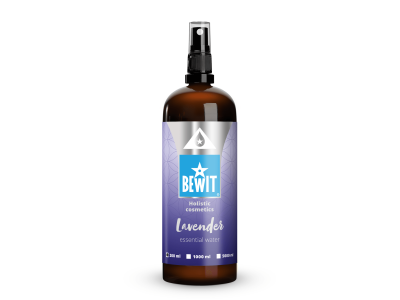
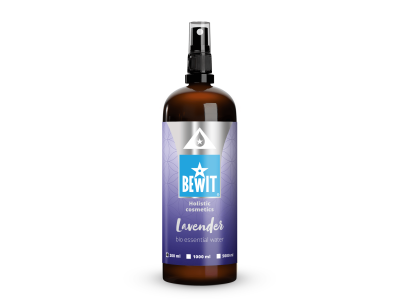
For quick refreshment during the day, we recommend lavender hydrosol, which lightly tones the skin and leaves it feeling fresh and clean. You can also try Lavender Hydrosol BIO. Both products complement lavender essential oil beautifully, forming a natural foundation for a gentle, effective, and fragrant daily routine.
Lavender Hydrosol for Hair
Lavender hydrosol is a popular part of natural hair care. It gently tones and balances the scalp, leaving a pleasant feeling of freshness and supporting the overall vitality of your hair. Thanks to its soothing properties, it’s especially suitable for dry or sensitive scalps. With regular use, it adds natural shine and lightness to your hair.
How to use lavender water for hair:
- Scalp toning: After washing, apply a small amount of lavender hydrosol directly to the scalp and gently massage with your fingertips. It refreshes the scalp, brings a feeling of cleanliness and lightness, and supports natural freshness.
- Hair treatment: Spray the hydrosol onto damp or dry ends or along the entire length of your hair as a leave-in conditioner to make detangling easier and add a subtle scent to your locks.
- Daily refresh: After a workout or a long day at the office, a quick spritz offers instant freshness and hydration. Spray lavender water onto your hair and enjoy the light, refreshing feeling.
Relaxation with Lavender
Lavender essential oil has long been associated with calm, relaxation, and emotional balance. Its delicate floral-herbal aroma helps create a harmonious atmosphere and quieten the mind after a demanding day. In aromatherapy, it’s often used in the evening or before bedtime to support a restful mood.
Studies have explored the inhalation of lavender essential oil and its potential to enhance feelings of relaxation and improve sleep quality. This research continues a long tradition of using lavender to promote tranquillity and mental well-being.
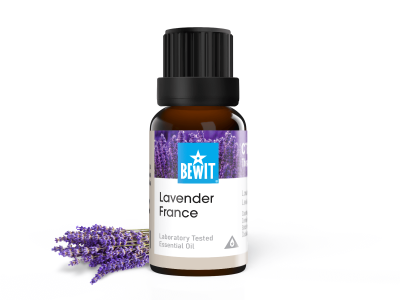
For lovers of authentic scent, French Lavender is the perfect choice. It stands out for its purity, gentle elegance, and the characteristic aroma reminiscent of blooming fields in Provence. Add a few drops to a diffuser, and your home will be filled with a harmonious, soothing fragrance.

Practical Use: Aromatherapy, Cosmetics, Home
Lavender essential oil is remarkably versatile. It can be used in aromatherapy, skincare, and even home care. In just a few drops, it brings together natural fragrance, gentleness, and the power to transform ordinary moments into a pleasant sensory experience.
Lavender Skincare
In cosmetics, lavender essential oil plays a supporting role - used in small amounts and always diluted in a plant oil. A few drops can be added to your favourite cream, serum, or massage blend to help soothe and refresh the skin.
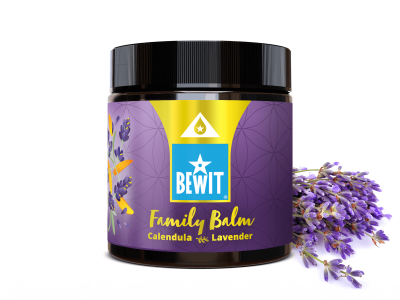
For daily skincare, Family Balm Calendula & Lavender is a wonderful choice. It combines lavender oil with nourishing ingredients such as calendula, shea butter, coconut oil, and almond oil. This blend provides gentle, nourishing care and leaves the skin feeling soft, smooth, and naturally fresh.
A Lavender Bath
A relaxing bath with lavender oil is a simple yet highly effective way to create a soothing moment just for yourself. Add about 5–10 drops of lavender essential oil to warm water — but first, mix it with a teaspoon of a carrier oil (such as almond oil) or milk. This ensures the fragrance disperses evenly in the water.
Within minutes, your bathroom will be filled with a soft herbal aroma that promotes a feeling of calm and relaxation. Create an evening ritual that combines aromatherapy with body care to help slow your mind and release tension. An ordinary bath can easily become a home spa experience.
Tip: For an even more luxurious bath, add Lavender Flower BIO. The dried blossoms enhance the scent and give the water a natural herbal touch.
Diffuser and Aromatherapy
Using a diffuser is one of the easiest and most popular ways to fully enjoy the scent of essential oils. Add 3–5 drops to water and fill your space with a gentle herbal aroma that helps create a peaceful and balanced atmosphere.
A diffuser is ideal for evening relaxation or everyday home fragrance. It’s easy to use, looks elegant, and is perfect even for aromatherapy beginners. Explore our wide range of aroma diffusers and create a home filled with fragrance, harmony, and tranquillity.

Production Methods: Steam Distillation, Cold Pressing, and Home Preparation
The production method has a crucial impact on the final quality, purity, and effectiveness of lavender oil. While professional steam distillation preserves the maximum amount of aromatic compounds resulting in a concentrated essential oil, home maceration produces a mildly fragrant oil extract suitable mainly for cosmetic purposes.
Let’s look at the three most common techniques - each differing in technology, fragrance intensity, and intended use.
Steam Distillation
Steam distillation is the traditional and most commonly used method of obtaining genuine lavender essential oil. Dried or fresh blossoms are exposed to hot steam, which releases their natural aromatic compounds. The vapour is then cooled, condensed, and separated from the water. The result is a highly concentrated essential oil with a characteristic fragrance and rich aromatic profile.
A by-product of this process is lavender hydrosol, also known as lavender water - a gentle floral extract used in skincare, haircare, and as a natural air freshener. While this method requires specialised distillation equipment, it delivers the purest and highest-quality oil.
Cold Pressing
Cold pressing is a common technique for extracting essential oils from citrus fruits, whose peels contain large amounts of aromatic compounds. However, it is not suitable for lavender, as the blossoms contain very little oil, and mechanical pressing doesn’t yield satisfactory results.
In practice, this method is almost never used for lavender. If you come across a product labelled “cold-pressed lavender oil,” it’s most likely a fragrance oil or macerate, not a true essential oil obtained through steam distillation.
Home Maceration
Homemade lavender oil is most often prepared through maceration by steeping dried lavender flowers in a carrier oil such as olive or almond. The mixture is left to stand for several weeks in a warm, bright place, during which the flowers gradually release their fragrance and some of their plant compounds into the oil.
The result is a lightly scented oil, suitable for massages or for making natural cosmetics. However, it’s important to note that this type of oil is not a true essential oil, as it does not contain the concentrated active components found in oils produced through professional steam distillation.
|
Method |
How It Works |
Result |
Best For |
Things to Watch Out For |
|
Steam Distillation |
Lavender flowers are exposed to a stream of hot steam, which releases their aromatic compounds. The vapour is then cooled and separated from the water. |
True lavender essential oil + lavender water (hydrosol) |
Professional production, cosmetics, and aromatherapy |
Requires distillation equipment; more expensive but the purest and highest quality |
|
Cold Pressing |
Plant material is mechanically pressed without heat. Common for citrus fruits but ineffective for lavender. |
Almost no oil from lavender – this method is not used |
Other plants (e.g. citrus) |
Does not produce genuine lavender essential oil |
|
Home Maceration |
Dried lavender flowers are steeped for several weeks in a carrier oil (e.g. olive or almond). |
Lightly scented oil extract – not a true essential oil |
Home cosmetics, massage, and relaxation |
Weaker effect, shorter shelf life, oil may turn rancid |
How to Recognise a Quality Lavender Oil
Today’s market offers a wide variety of products labelled as lavender oil. However, not all of them are truly pure essential oils with full therapeutic benefits. Some are merely fragrance oils made from synthetic perfumes or diluted blends containing cheaper carrier oils. That’s why it’s important to know how to distinguish a high-quality product worth your investment.
A quality essential oil should clearly state the botanical name of the plant (Lavandula angustifolia), the production method (ideally steam distillation), and the country of origin. Certifications such as BIO or ECOCERT are also good indicators, confirming that the plant was grown without chemical pesticides and that the oil meets strict quality standards.
Pay attention to the packaging. The oil should be stored in a dark glass bottle, which protects it from light. Reputable brands always provide detailed information about the ingredients and often include laboratory analyses confirming the product’s purity and authenticity.

Frequently Asked Questions
1. What is lavender oil used for?
Lavender essential oil is most commonly used in aromatherapy, natural cosmetics, and home care. It can be added to diffusers, baths, massage blends, or skincare products. Thanks to its gentle scent and traditionally calming properties, it’s a popular choice for creating a relaxing atmosphere, freshening the air, and enhancing your evening routine.
2. What’s the difference between fragrance oil and essential lavender oil?
Lavender essential oil is a pure natural extract, most often obtained through steam distillation of the blossoms. It contains the plant’s concentrated aromatic compounds. Fragrance oil, on the other hand, is usually a blend of synthetic perfume ingredients or oil with added scent, designed only for perfuming spaces, not for skin application or internal use.
3. Can I make lavender essential oil at home?
True essential oil requires steam distillation, which needs specialised equipment. At home, people most often prepare lavender macerate by steeping dried blossoms in a carrier oil such as almond oil for several weeks. The result is a mildly aromatic oil suitable for massages or homemade cosmetics but it’s not a full essential oil.
4. Can lavender oil help improve sleep quality?
Yes. In aromatherapy, lavender essential oil is traditionally used to create a calm atmosphere before bedtime. You can inhale its scent using a diffuser or aroma lamp, or apply a few drops to your pillow. Its pleasant aroma may support a sense of relaxation and promote a restful evening mood.
5. Is lavender oil suitable for sensitive skin?
Lavender oil is one of the gentler essential oils. When properly diluted in a carrier oil, it can be suitable even for more sensitive skin types. It’s often used for skin prone to irritation or redness. Before use, it’s recommended to perform a patch test on a small area of skin. You can also use lavender hydrosol (lavender water), which gently tones, refreshes, and leaves the skin feeling clean.
6.How can I tell if a lavender oil is truly pure?
Check the label carefully. It should include the botanical name (Lavandula angustifolia), production method (steam distillation), country of origin, and ideally certifications (BIO, ECOCERT). Reliable producers often publish laboratory purity tests, such as GC/MS analysis. The oil should always be packaged in dark glass to protect it from light.
Key Takeaways
Lavender oil is one of the most versatile allies in natural self-care.
If you’re looking for ways to create a sense of calm, refresh your skin, or fill your home with a soothing fragrance, lavender offers a gentle solution.
Its soft yet distinctive scent, long tradition of use, and natural origin make it a timeless staple in aromatherapy, cosmetics, and relaxation.
For toning, soothing, hydration, or a refreshing feel on the skin, use lavender hydrosol (also known as lavender water).
In the evening, take a moment for yourself with lavender essential oils. Add a few drops to a diffuser for calming aromatherapy, mix them into a warm bath for relaxation, or include them in a massage blend.
The scent of lavender will gently surround you, slow down the rhythm of the day, and help your body and mind unwind.
Sources
Liu, Y., Dong, Y., Wang, X., Huang, Y., Wu, F., Xia, F., Bai, H., Li, H., Shi, L., & Wang, B. (2025). Effects of lavender essential oil inhalation aromatherapy on postoperative sleep quality in patients with intracranial tumors: a randomized controlled trial. Frontiers in Pharmacology, 16, Article 1584998. https://doi.org/10.3389/fphar.2025.1584998
Yoo, O., & Park, S. (2023). Anxiety-Reducing Effects of Lavender Essential Oil Inhalation: A Systematic Review. Healthcare, 11(22), 2978. https://doi.org/10.3390/healthcare11222978