



 Български
 Čeština
 Deutsch
 Eesti
Eesti
 Español
 Français
 Hrvatski
 Italiano
 Latviešu
 Lietuvių
 Magyar
 Nederlands
 Norsk
Norsk
 Polski
 Português
 Română
 Русский
 Slovenčina
 Slovenščina

Aloe vera is rightly called first aid plant. A single cut into the fleshy leaf reveals a clear gel that people have used for thousands of years for irritated skin, minor burns and as a natural source of hydration.
The effects of aloe vera, once known to Egyptian queens and Oriental healers, are now being explored in scientific studies. It’s no wonder that today, aloe vera is a part of a wide range of products — from face creams and shampoos to juices and dietary supplements. It contains dozens of bioactive substances that promote a feeling of freshness and balance. Want to know more about aloe vera? In today's article, together we will reveal the secrets of this legendary plant.

What is aloe vera and where does it come from
Aloe vera, also known as true aloe, is a succulent plant with fleshy leaves, which serve as a water reservoir. Thanks to this natural "internal reservoir", it can thrive even in extremely dry conditions where other plants would not survive.
Its original home is believeed to be North Africa, the Arabian Peninsula and the Canary Islands. Today, it is cultivated almost all over the world - from Mexico and India to the Mediterranean, and with proper care, it can thrive even in a pot at home. The name comes from the Arabic word alloeh ("shiny bitter substance") and the Latin vera ('true'), which aptly describes its reputation.
Aloe vera has accompanied humankind for thousands of years. In ancient China and Egypt, it was a popular part of skin care, and the Greeks valued it for its place in daily hygiene. It is not surprising that it is one of the most frequently studied plants of its kind.
Current research describes that aloe vera contains more than 75 naturally occurring bioactive compounds - including polysaccharides, vitamins, enzymes, amino acids and minerals. The uniqueness of aloe vera lies in its clear gel, which is extracted directly from the leaves.

True aloe vs. false aloe
The genus Aloe includes more than five hundred species of plants that differ in appearance and composition. Of these, however, only the Aloe barbadensis Miller species, also known as true aloe, is used for the production of cosmetics, food supplements and products for direct consumption, such as juices and drinking gels.
This particular plant has an optimal ratio of active ingredients and its gel-like pulp is suitable for external and internal use. Other species of aloe are grown mainly as ornamental plants or are processed only after removal of substances that may be irritating.
An interesting substance that occurs naturally in aloe gel is acemannan - a type of polysaccharide that is the subject of scientific research for its possible influence on the skin's natural regenerative processes and its ability to bind water. What other substances does real aloe vera contain?
- Vitamins - mainly group B (B1, B2, B6, B12), vitamin C, E and beta-carotene. These substances act as natural antioxidants and are valued for their effect on protecting cells from oxidative stress.
- Minerals - Aloe contains more than twenty minerals, including calcium, magnesium, zinc, potassium and sodium, which are important for normal bodily functions and a sense of balance.
- Amino Acids - including essential ones that the body can't make on its own. They are the building blocks of proteins and play a role in the body's natural processes.
- Enzymes - such as amylase, lipase or catalase, which occur naturally in plants and are involved in the breakdown of sugars, fats and other nutrients.
Types of aloe vera
Under the name aloe is a whole botanical world - more than five hundred species of plants that differ in shape, colour and the amount of gel in their leaves. What types of aloe vera do we know?
Aloe vera barbadensis Miller (true aloe)
The species Aloe vera barbadensis Miller, known as true aloe, is one of the most cultivated and processed plants of its genus. Its leaves produce a gel-like pulp used as a raw material for cosmetics, juices and drinking gels.
This variety is mainly grown in Mexico, India and Spain, where it finds optimal growing conditions. It is valued for its high gel content and balanced representation of bioactive substances.
Other types of aloe vera
In addition to true aloe, there are other species such as Aloe arborescens, Aloe ferox or Aloe perryi. These plants grow mainly in Africa, Asia and South America and usually contain smaller amounts of clear gel and a higher proportion of bitter substances. In traditional care and herbalism, we can meet them quite often, but in modern cosmetics and dietary supplements, it is the species Aloe vera barbadensis Miller that is most often used.
History of use
Did you know that aloe vera is not a modern discovery? People have known it for thousands of years and its story is linked to the world's oldest civilisations. The Egyptians called aloe "the plant of immortality" and used it in rituals and body care. Legend has it that two famous queens, Cleopatra and Nefertiti, also used the effects of aloe vera on their skin.
The Greeks and Romans also knew aloe vera very well. Hippocratesthe father of medicine, mentions it in his writings and Alexander the Great is said to have grown aloe on the island Socotrato have enough plants for his soldiers.
Asia was not left behind. In traditional Chinese medicine, aloe vera was popular for skin care and in India it became an important herb in Ayurveda, where it was seen as a plant that promoted balance. And why was - and still is - aloe vera so valued?
Effects of aloe vera
The aloe vera plant has rightly earned a reputation as one of nature's most valuable raw materials. Thanks to its rich composition, it has a wide range of applications. Traditionally used in skin and hair care, it is also a natural part of the drinking regime in the form of juices or drinking gels.
Scientific studies focus on the fact that, how the different bioactive compounds in aloe vera affect skin cells and how they can support the skin's natural regeneration and hydration processes.
For skin
Modern research focuses mainly on the substance acemannan, a naturally occurring polysaccharide in plants. Experts are investigating how acemannan helps retain moisture and how it contributes to the skin's natural hydration.
Aloe gel contained in cosmetic products has a cooling effect, is easily absorbed and helps to bring a feeling of freshness and comfort. It is therefore particularly popular with people with dry, sensitive or irritated skin who seek gentle and natural care.
For digestion and immunity
Aloe vera is not limited to external care - it is often used internally, most often in the form of juices or drinking gels, which have become a popular part of a healthy lifestyle, especially for their fresh character and natural bioactive content.
As we mentioned above, aloe gel consists mainly of water, but also of valuable natural components - polysaccharides, amino acids, minerals and enzymes, substances that naturally participate in various processes in the body and contribute to its overall vitality. It is these ingredients that are the subject of many scientific studies investigating how they can interact with the cells of the digestive tract and contribute to the body's natural balance.
Many people incorporate aloe vera juice into their daily regimen because they associate it with natural digestive care and a pleasant feeling after consumption. High-quality drinking gels, cold-processed and without added preservatives, retain the natural composition and taste of fresh aloe gel. This makes them a pleasant part of your daily routine, whether you drink them in the morning on an empty stomach or at any time of the day.
For hair and scalp
Aloe vera is also a popular ingredient in shampoos, conditioners and hair masks because of its light gel texture and pleasant fresh feeling when used. Products with aloe are often chosen by people with dry or stressed scalps because they are gentle and comfortable. Many also associate aloe with a feeling of cleanliness and lightness.

How we process our aloe vera?
Quality starts with the leaf itself. Our genuine Aloe Vera Barbadensis Miller comes from organically certified plantations where each leaf is hand-picked. Thanks to hand picking, there is no damage to the plant or oxidation of the gel inside the leaf. The gel always remains fresh, clean and naturally rich in bioactive substances.
After harvesting, the aloe is processed using the gentle gassingmethod , a modern technology that uses high pressure and low temperature. This process allows the gel to be stabilised without the need for heat treatment or preservatives, so that the aloe retains its maximum quality, taste and natural composition.
Our drinking gels are BIO and IASC certified(International Aloe Science Council), which confirm the origin, purity and content of the active ingredients. This ensures that every sip of aloe vera meets the highest standards of quality and processing.
Which form of aloe vera is right for you?
You can incorporate Aloe vera into your life in many ways - as a morning ritual, as part of your drinking regime or as a supplement on days when you need more energy and balance. Each of the products made from true aloe has its own personality, taste and texture. They are united by their gentle cold processing, absence of thickeners, dyes and added sugars - the purity that people have associated with aloe for centuries. Choose the form that suits you best:
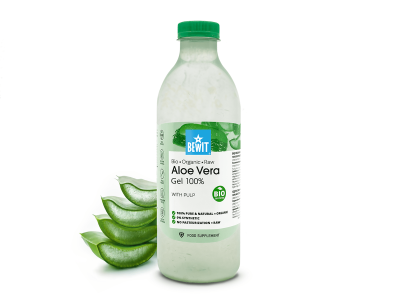
1. Aloe Vera Gel with pulp BIO RAW
Aloe Vera Gel with pulp BIO RAW is the closest to the natural form of a fresh aloe leaf. It contains fine pieces of pulp that give it a characteristic texture and a full, fresh flavour and is enriched with BIO lemon juice for a naturally refreshing taste. It is ideal as a morning ritual to refresh your day. Many include it after meals, when it brings a pleasant feeling of lightness.
The pulp gel is popular with those who want to experience the authentic taste of aloe vera in its raw, living form. It is suitable for those who are looking for anatural energiser, want to lighten up after a rich meal or treat themselves to refreshment and balance.
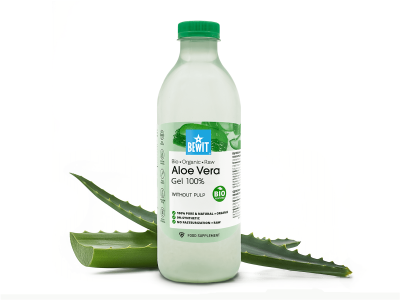
2. Aloe Vera Gel without pulp BIO RAW
If you prefer a smooth consistency of the drink without pieces of pulp, aloe vera gel without pulp BIO RAW delivers the same quality in a fine liquid form. It is ideal for everyday drinking - you can add it to a smoothie, juice or mix it with water.
Thanks to its pure taste, it perfectly works after physical activity, on hot days or whenever the body cries out for natural refreshment.

3. Aloe Vera Immunity BIO
For days when you need more balance and vitality, here's aloe vera immunity BIO - a thoughtful combination of pure aloe vera with plant juices from organic grape, elderberry and ginger.
- Organic grape juice adds natural sweetness and gently replenishes energy after a hard day.
- Elderberry is traditionally used especially during the colder times of the year when the body needs inner balance.
- Ginger gives the mixture a spicy taste and a pleasant warming sensation.
Aloe Vera Immunity BIO is an ideal choice for supplementing your drinking regime during the colder months, when the body cries out for harmony. It is also great for periods of increased fatigue or stress, when it helps maintain the natural rhythm of the day. Thanks to its balanced composition, it contributes to a sense of vitality and well-being in a completely natural way - without added sugars, colourings or artificial substances.
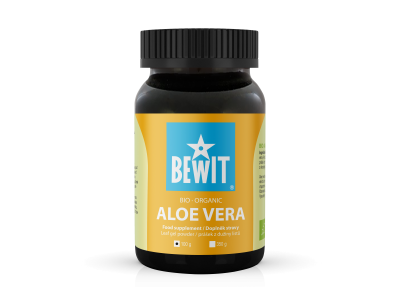
4. Aloe vera BIO powder
It offers the pure power of true aloe vera BIO in a convenient powder form. It is produced by gently drying the pulp of fresh leaves at a low temperature, thanks to which it retains its natural composition and delicate taste. Compared to liquid juices, it is analternative for those who prefer long shelf life, easy dosing and versatile use. Just mix the powder in water, add to a smoothie, porridge or plant-based drink. It's also great for travel or active days when you want to have aloe on hand.
Aloe vera as a house plant
Aloe vera is one of the most popular indoor succulents. It is easy to grow, hardy and also works well as an ornamental plant, so it is great for beginners. Thanks to its fleshy leaves, it can retain water and therefore does not require frequent watering. It grows best in a bright spot with indirect sunlight, in well-draining soil suitable for succulents. Overwatering is more damaging than drought, so it is ideal to water it only when the soil is completely dry.
Thanks to its pure, exotic appearance, the aloe flower is a sought-after plant not only among nature lovers, but also as an addition to modern interiors. On a windowsill, desk or living room corner it looks fresh, natural and adds a bit of green balance to the space.
Many people are attracted by the use of fresh gel from the leaves of the plant itself. We definitely do not recommend the home processing of aloe vera for consumption, because it is always necessary to carefully separate the gel from the yellow latex, which is located just under the skin and contains substances with a strong laxative effect. It is safer to choose a finished, laboratory-tested product where the entire processing is done professionally and with high quality.
Frequently asked questions
1. How to recognise true aloe vera?
The true aloe, Aloe vera barbadensis Miller, has fleshy, grey-green leaves with fine teeth around the edges and slightly translucent flesh inside. When the leaf is cut open, a clear gel flows out, which is typical for this species. Other types of aloe have different coloured leaves or contain less gel.
2. What is aloe vera good for?
Aloe vera juices and drinking gels are especially popular for their clean, refreshing taste and natural, plant-based character. People often include them in their daily routine as part of a varied and balanced diet. Drinking aloe is associated with feelings of lightness, freshness and balance and is therefore seen as a natural complement to a healthy lifestyle.
3. Can I grow real aloe vera at home?
Yes, aloe vera needs a bright spot, a well-draining substrate and moderate watering. Overwatering is more damaging than drought, so it is ideal to water it only when the soil is completely dry.
4. What do people most often use aloe vera for?
Aloe vera has versatile uses. It is traditionally used in skin care, hair care and personal hygiene - often found in gels, creams or shampoos. In the form of juices and drinking gels, people have come to love it for its natural taste and the simple way to incorporate aloe into their daily regimen.
5. Is it safe to drink aloe vera every day?
As long as it is a quality and certified product made from real Aloe vera barbadensis Miller, you can include it in your daily drinking regime. However, always follow the manufacturer's recommended dosage. Home processing of the leaves for internal use is not recommended because the leaves also contain yellow latex, which is naturally laxative. Therefore, it is preferable to choose finished, laboratory-tested products that are safe and of high quality.
What to remember from the article?
Aloe vera is a plant with thousands of years of history that has found its place in both traditional and modern body care. It contains dozens of natural bioactive compounds that make it prized for its soothingand moisturising nature. Genuine Aloe Vera Barbadensis Miller is a species of aloe that is most commonly used in cosmetics, dietary supplements and in the form of juices.
The quality of aloe depends on the processing method. The most precious products are created cold, without added sugars and preservatives to preserve the natural purity and strength of the plant. Therefore, it is advisable to choose only certified and laboratory tested products that you can be sure are safe and effective.
Aloe vera is an exceptional plant that combines beauty, strength and utility. You can keep it at home as an easy-to-care-for houseplant, use its gel in cosmetics, or enjoy a sip of aloe juice or drinking gel. Whether you reach for gelwith pulp, the smooth version without pulp or aloe vera with grape juice, elderberry and ginger, it is always a way to bring a bit of balance, freshness and natural vitality into your life .
Sources
Surjushe, A., Vasani, R., & Saple, D. G. (2008). Aloe vera: A short review. Indian Journal of Dermatology, 53(4), 163-166. https://doi.org/10.4103/0019-5154.44785
Vázquez, B., Avila, G., Segura, D., & Escalante, B. (1996). Antiinflammatory activity of extracts from Aloe vera gel. Journal of Ethnopharmacology, 55(1), 69-75. https://doi.org/10.1016/S0378-8741(96)01476-6
Ignatius, A., & Ravichandran, R. (2016). Controlled release of bioactive agents from natural hydrogels for wound healing applications. Journal of Functional Biomaterials, 8(1), 6. https://doi.org/10.3390/jfb8010006