



 Čeština
 Français
 Български
 Nederlands
 Norsk
Norsk
 Italiano
 Română
 Slovenščina
 Slovenčina
 Deutsch
 Polski
 Hrvatski
 Español
 Magyar
 Pусский

Do you feel like starting something new, but your body and mood are holding you back, and instead of energy, you feel frustration? After winter, we can be stiffer. Moods fluctuate, and we often have more plans than we have the strength for. The calendar may be announcing spring, but the body is only just waking up from its winter pace and searching for a new rhythm.
During this period, internal tension, irritability, or impatience may appear. Don't worry, these emotions are a natural manifestation of energy starting to move again.
What is typical for March
Nature slowly begins to awaken. Days get longer, the air is fresher, and the earth comes alive again. Our body reacts in the same way. It wants to breathe, but it still carries the winter slowdown within it.
A quick return to peak performance usually doesn't work. The body needs regularity, space, and small impulses that gradually tune it to a new rhythm. Spring is not about a sudden start, but about a smooth take-off.
How TCM views March
Traditional Chinese Medicine (TCM) says that if natural movement is blocked, a typical spring emotion – irritability or frustration, which are the result of accumulated internal tension – may manifest. Therefore, during this period, the body most needs relaxation, freer and natural movement, space to breathe, and gentle support that allows energy to flow again.
Season: spring
Element: Wood – symbol of growth, movement, and new beginnings
Direction of energy: upwards, naturally rising after winter
Typical climatic influence: wind (in TCM, it is said that “wind gives birth to wood”)
Main organs: liver (Gan) and gallbladder (Dan)
Liver function: ensures the free flow of vital energy Qi and the ability to manage tension and emotions
Manifestation of liver imbalance: frustration, anger, irritability, feeling of pressure in the chest
Gallbladder function: related to decisiveness, courage, and the ability to plan and act
Manifestation of gallbladder weakening: indecisiveness, insecurity, headaches, or mental fatigue
Taste of the period: mildly sour
Colours of spring: green and blue (turquoise) – symbol of growth, freshness, and new beginnings
Emotion: anger / frustration
Manifestation of emotion: internal tension, irritability, constriction, impatience
Natural need of the body: relaxation, movement, space
The role of the liver and gallbladder in spring
In Traditional Chinese Medicine, the liver and gallbladder are not understood merely as anatomical organs, but as a functional system responsible for the smooth movement of vital energy Qi and blood in the body. This ability of free flow is crucial in spring, as the energy of nature and the organism naturally begins to rise and activate after winter.
The liver in TCM is associated with the regulation of tension and relaxation of both the body and psyche. It supports the flexibility of muscles, tendons, and ligaments, but also influences the ability to manage emotions and adapt to changes. If its function is out of balance, stiffness, pressure under the ribs, headaches, irritability, or a feeling of internal constriction may appear. In TCM, all emotions pass through the liver system. If they accumulate or are suppressed, they can disrupt its harmony.
The gallbladder follows the liver as a system of decision-making and initiation of movement. Classical TCM texts state that it supports the ability to plan, act, and stand by one's actions. If it is weakened, this can manifest as uncertainty, indecisiveness, mental fatigue, or even headaches. Together, the liver and gallbladder form an axis that enables not only physical movement but also internal orientation and the ability to move forward.
Spring is therefore considered in Traditional Chinese Medicine as a natural period for supporting this system. It is not necessarily about drastic cleansing, but rather about gentle release of stagnation, lightening the diet, plenty of movement, and space for processing emotions. These small steps help the body transition from winter calm to a more active part of the year with greater ease.
Support your body and mind in the rhythm of TCM
Supporting the body in spring does not have to mean radical changes. In Traditional Chinese Medicine, it is more about a set of small steps that help release stagnation, move energy, and support the natural transition from winter calm to a more active phase of the year.
1. Change your habits
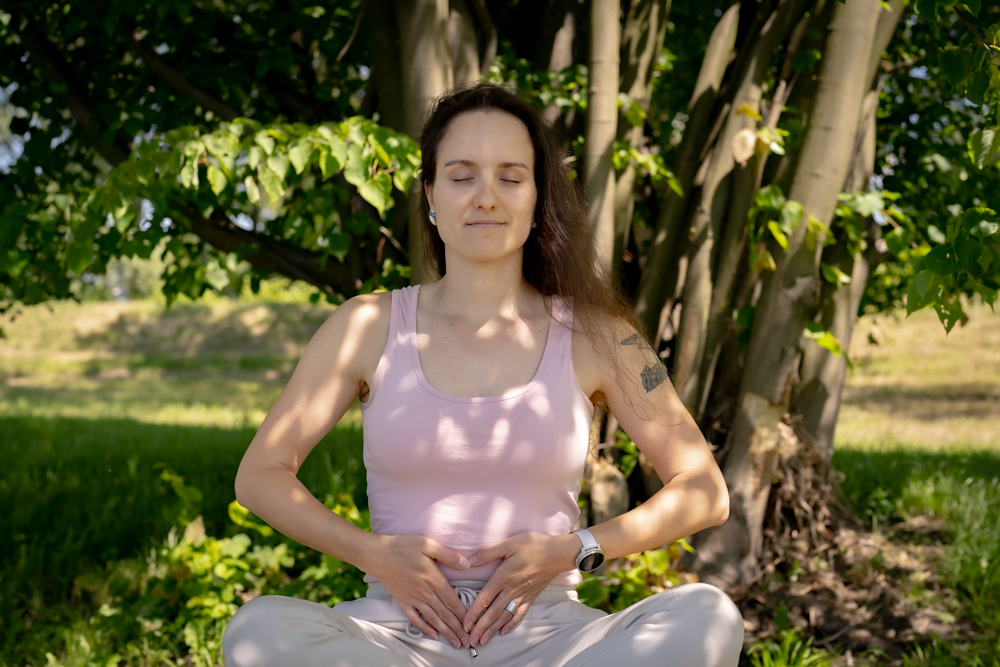
In spring, energy naturally rises upwards, so the body benefits more from gentle adjustments to the daily rhythm than sudden changes. Regular but gentle movement also helps to move QI (vital energy) and reduces the tension typical of the spring period. Try:
- waking up a little earlier and making more use of daylight
- getting regular, light exercise (walks, yoga, stretching)
- protecting your body from wind and cold
- avoiding sudden exertion and unnecessary overload
- not forgetting regular rest and regeneration
2. Eat in harmony with TCM
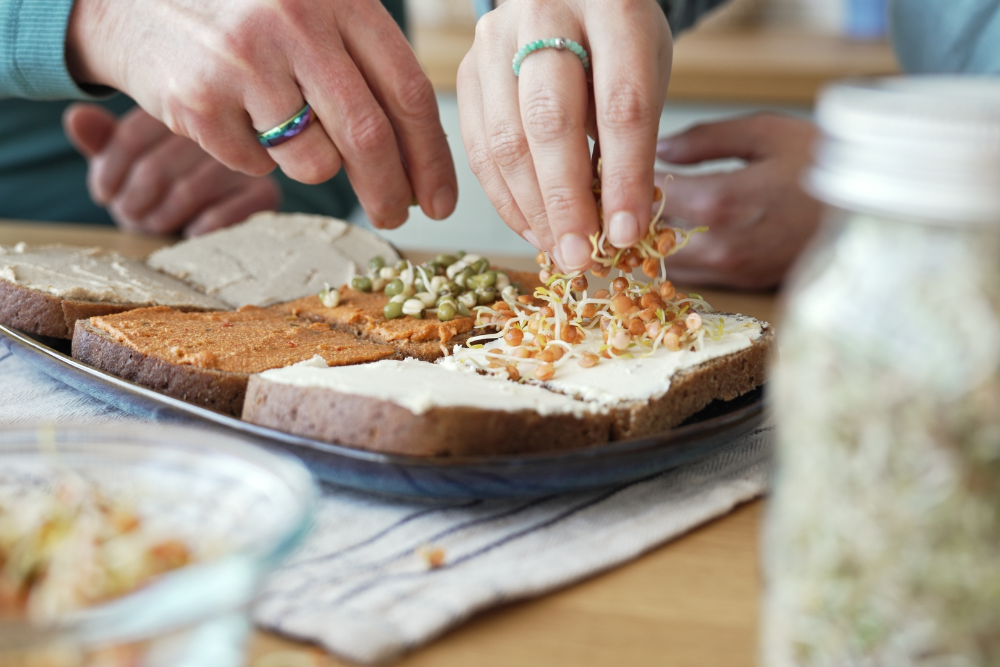
Spring diet should be rather light, nutritious, and easily digestible, ideally warm or at least lukewarm. Try to prepare food by blanching or cooking it only briefly. It is advisable to base your diet on simple, seasonal ingredients:
- green leafy foods (spinach, rocket, chicory)
- herbs (parsley, chives, dandelion, nettle)
- vegetables (parsley, leek, asparagus, Brussels sprouts, radishes)
- sprouts and young shoots
- lighter grains (oats, barley, bulgur, couscous)
- a small amount of sour taste, such as lemon or fermented vegetables
Conversely, it is good to limit foods and drinks that burden digestion:
- cold meals and drinks
- excess sugar and alcohol
- heavy, fatty foods
3. Take care of emotions and mental balance
In spring, in Traditional Chinese Medicine, not only diet and routine adjustment are important, but also working with emotions and the direction we are moving in life. If we stagnate for a long time, postpone decisions, or suppress what we feel, it can manifest as tension and fatigue.
Therefore, it helps to consciously ventilate emotions through movement, journaling, conversation, or other activities that release tension from the body. It is equally important to allow yourself regular moments of calm, whether through meditation, breathing exercises, or massage, and at the same time set specific goals and take at least small steps forward. It is precisely the combination of relaxation and movement that is considered in TCM to be the key to allowing liver energy to flow without stagnation.

4. Support your body and mind
The spring period can be approached holistically. Supplement daily habits, movement, and diet with carefully selected herbal blends, PRAWTEINS, and essential oils.
Wans as support for spring balance
Wans are herbal blends formulated according to TCM principles, and their selection usually stems from the character of the specific period. The beginning of spring is associated with the need to move energy, release tension, and support body flexibility, which is why these blends are particularly suitable for March.
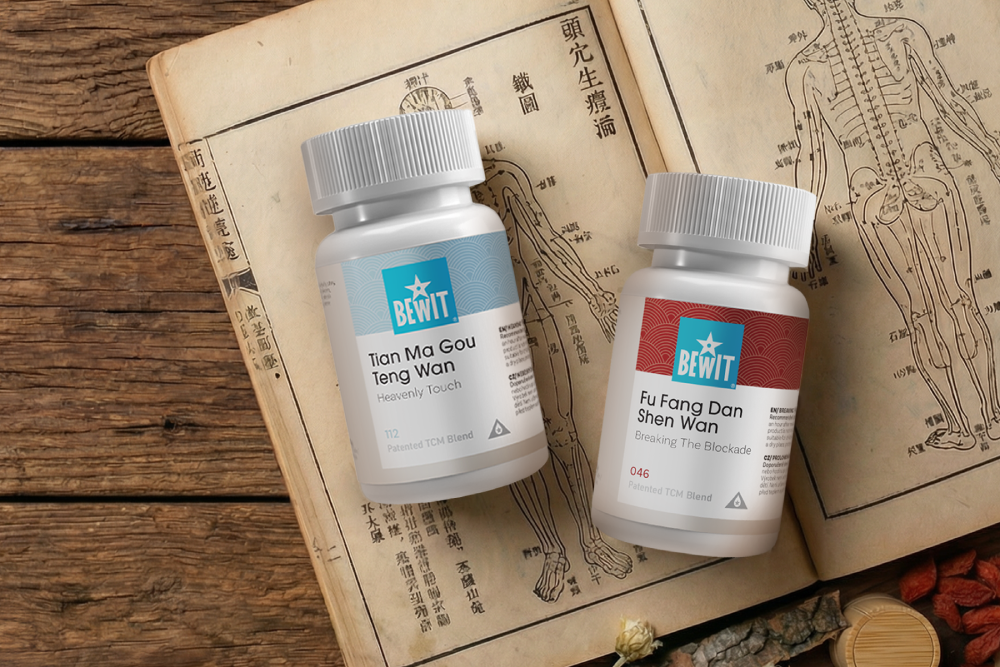
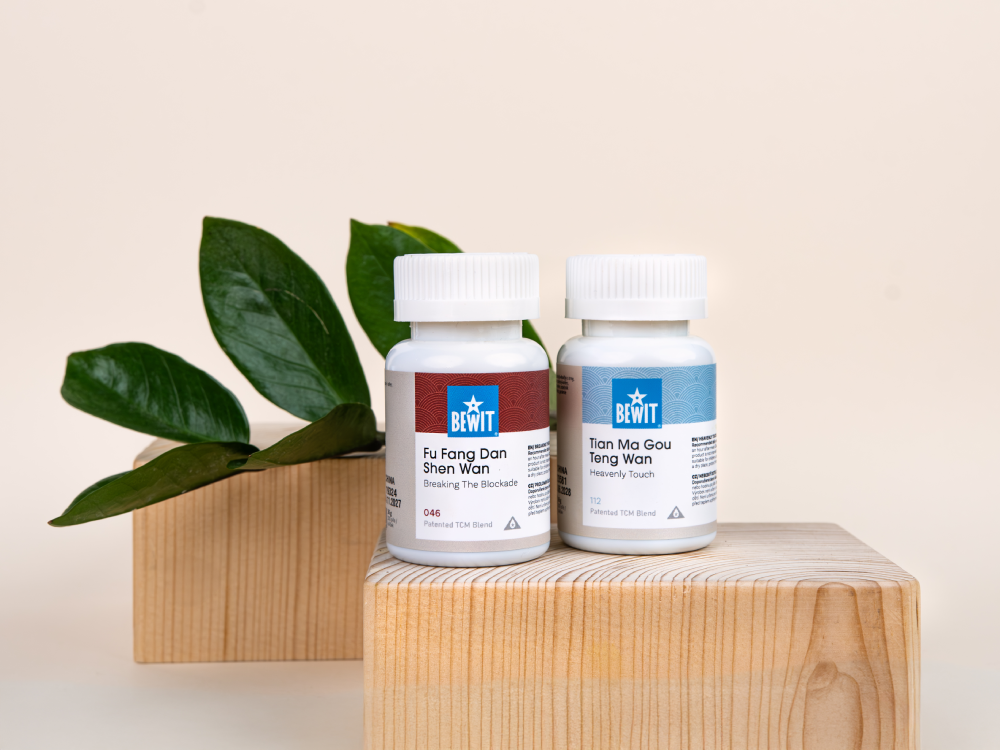
112 – Heavenly Touch (BEWIT Heavenly Touch) - Its focus corresponds to the energy of spring and the Wood element, which in TCM is associated with growth, movement, and the transition to a more active part of the year. It contains, among other things, Baikal skullcap, which is traditionally associated with supporting the normal condition of joints and muscles. It is suitable for a period when the body is seeking greater lightness and natural movement.

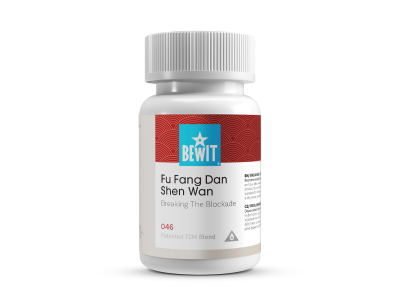
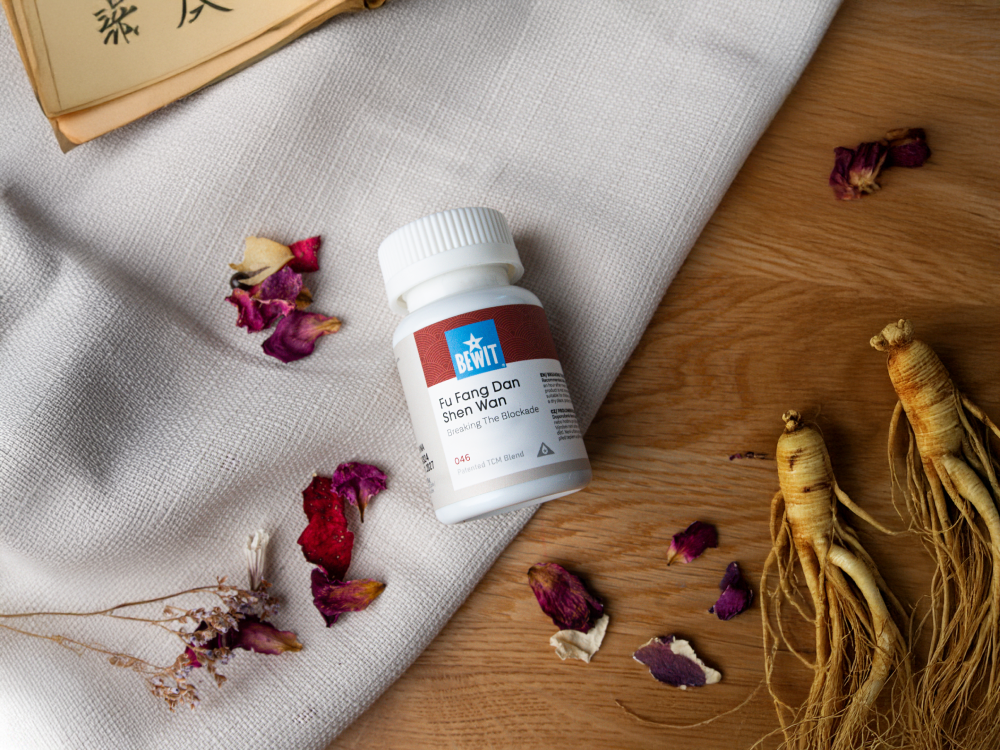
46 – Breaking the Blockade (BEWIT Breaking the Blockade) - Addresses situations where internal tension, irritability, or a feeling of stagnation may appear after winter. It contains false ginseng, a plant traditionally used in herbal tradition and associated with vitality and natural resilience of the body. Thematically, it corresponds to the phase when energy starts to move again and there is a desire to act.
PRAWTEINS as support in spring
In addition to herbal blends, it can be useful in spring to supplement with complex blends of natural superfoods that support natural vitality after the winter period.
PRAWTEIN Cordyceps Plus - Contains the mushroom Cordyceps, which has a long history of use in Traditional Chinese Medicine and is among the valuable ingredients associated with vitality and body resilience. It is especially suitable during the transition period between winter dormancy and spring activity.
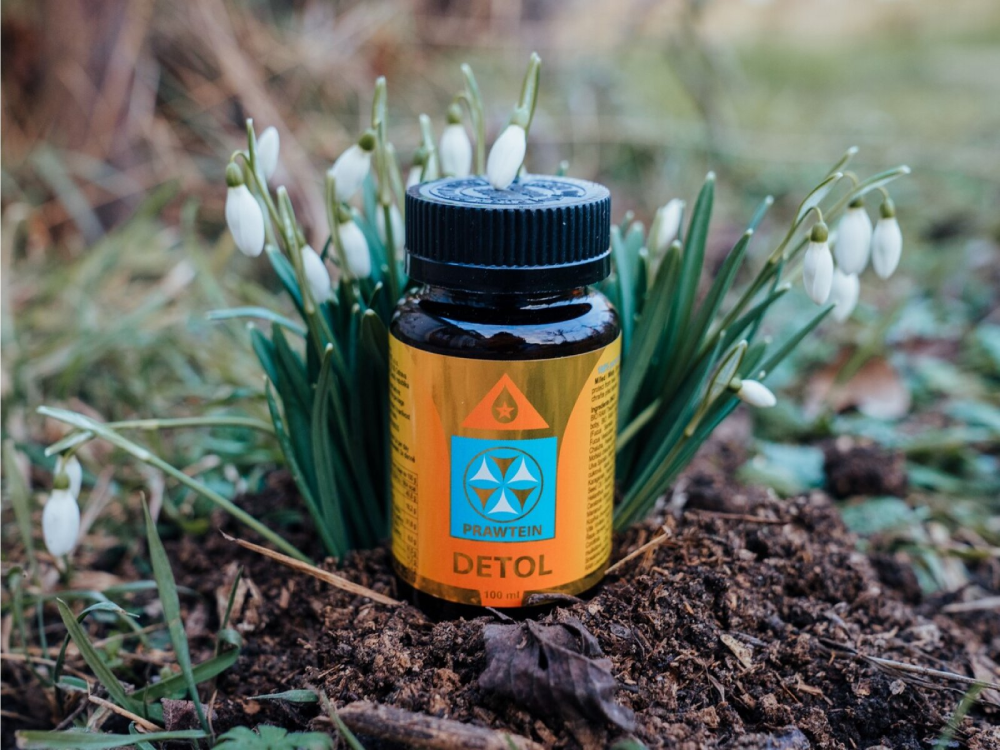
PRAWTEIN Detol - Contains milk thistle contributing to normal liver function and stinging nettle supporting the normal condition of joints. The combination of plant ingredients thus naturally connects to the spring period, which in TCM is associated with the Wood element and the liver area.
Essential oils for emotional tuning and support of selected wans
Aromatherapy can be a simple way to support a change of rhythm and create an atmosphere that corresponds to spring energy.
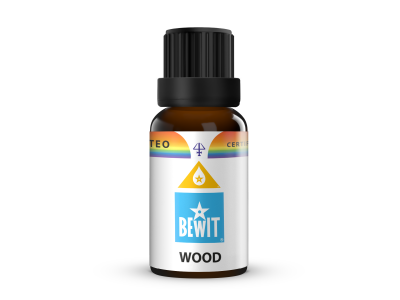
- Wood recalls growth, direction, and new beginnings, making it suitable for moments when you need to find direction again or discover the desire to embark on new plans.
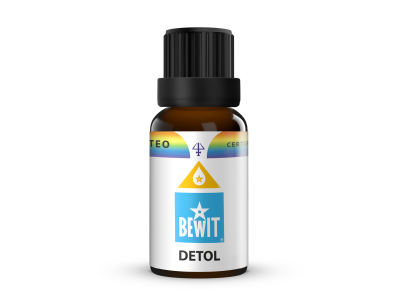
- Detol is suitable for periods when you want to lighten and refresh the space around you and within you. It acts purely, lightly, and can help to create a feeling of a new start, which is typical for early spring.
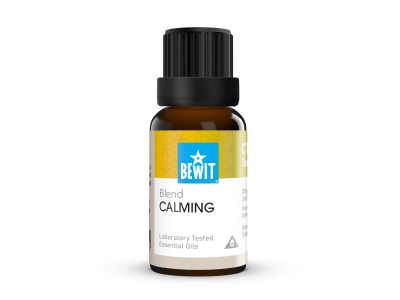
- Calming, on the other hand, helps to calm tension and create space for pause, which is just as important for a balanced spring start as activity itself.
What a March day in the rhythm of TCM might look like
In the morning, wake up a little earlier than in winter and let daylight into the room. Open the window, stretch briefly, or do a few simple exercises to loosen your back and neck. For breakfast, choose a warm and light meal, such as porridge, eggs with vegetables, or soup. After winter, the body is sensitive, and warmth will help kick-start digestion. Morning is also a good time to set small goals for the day. Just a few points to give you direction.
During the day, plan at least a short period of outdoor activity. A brisk walk or a few minutes of yoga will suffice. Dress warmly so you don't get cold, especially if it's windy. If you feel tension, indecisiveness, or something is bothering you, don't keep it inside. Write your feelings in a journal and try to understand and name them. Spring favours movement, and that applies to emotions and decisions too.
In the evening, slow down the pace. Enjoy a lighter warm meal, a moment of quiet without your phone, a few deeper breaths, or gentle stretching. You can put a few drops of essential oil into a diffuser and create a short evening ritual to help release tension and conclude the day. Such a simple rhythm helps the body transition from winter calm to spring activity naturally and without pressure.
Just a few small steps daily, and spring can become a period when you restart your body and mind and return to a natural rhythm that gives you both energy and peace.
Glossary of Terms
TCM (Traditional Chinese Medicine) - A healthcare system thousands of years old. It perceives the body as an interconnected whole and focuses on the balance of energy, lifestyle, emotions, and environment.
Qi (chi) - Vital energy that, according to TCM, flows through the body and keeps it functioning. When it flows freely, we feel good; when it stagnates, tension, fatigue, or problems can arise.
Qi Stagnation - A state where energy does not flow smoothly. In TCM, it is associated with tension, irritability, headaches, or a feeling of constriction.
Wood Element - One of the five basic principles in TCM. It symbolises growth, movement, change, planning, and new beginnings. It belongs to spring.
Gan (liver in TCM) - Not just a physical organ. In TCM, it represents a system that ensures the smooth flow of energy, influences emotions, muscles, tendons, and the ability to react to changes.
Dan (gallbladder in TCM) - A functional system associated with decision-making, courage, and the ability to act. It supports initiative and planning.
Climatic influence "wind" - In TCM, a symbol of changeability and movement. It is not just about weather, but a factor that can disrupt balance (e.g., mood swings, headaches, tension).
Sour taste (in TCM) - A taste associated with the liver and spring. In small amounts, it supports balance; in large amounts, it can be burdensome.
Release of stagnation - The process of supporting the natural movement of energy in the body – through movement, diet, working with emotions, or herbs.
Wans - Traditional Chinese herbal blends in the form of pills. These are food supplements inspired by the principles of Traditional Chinese Medicine.
Visit the TCM category and explore our complete range of all wans.
Disclaimer: Articles in the "Year in the Rhythm of TCM" series serve for general education on the seasonal principles of Traditional Chinese Medicine. They are not health recommendations or diagnoses and do not replace individual consultation with a qualified professional.