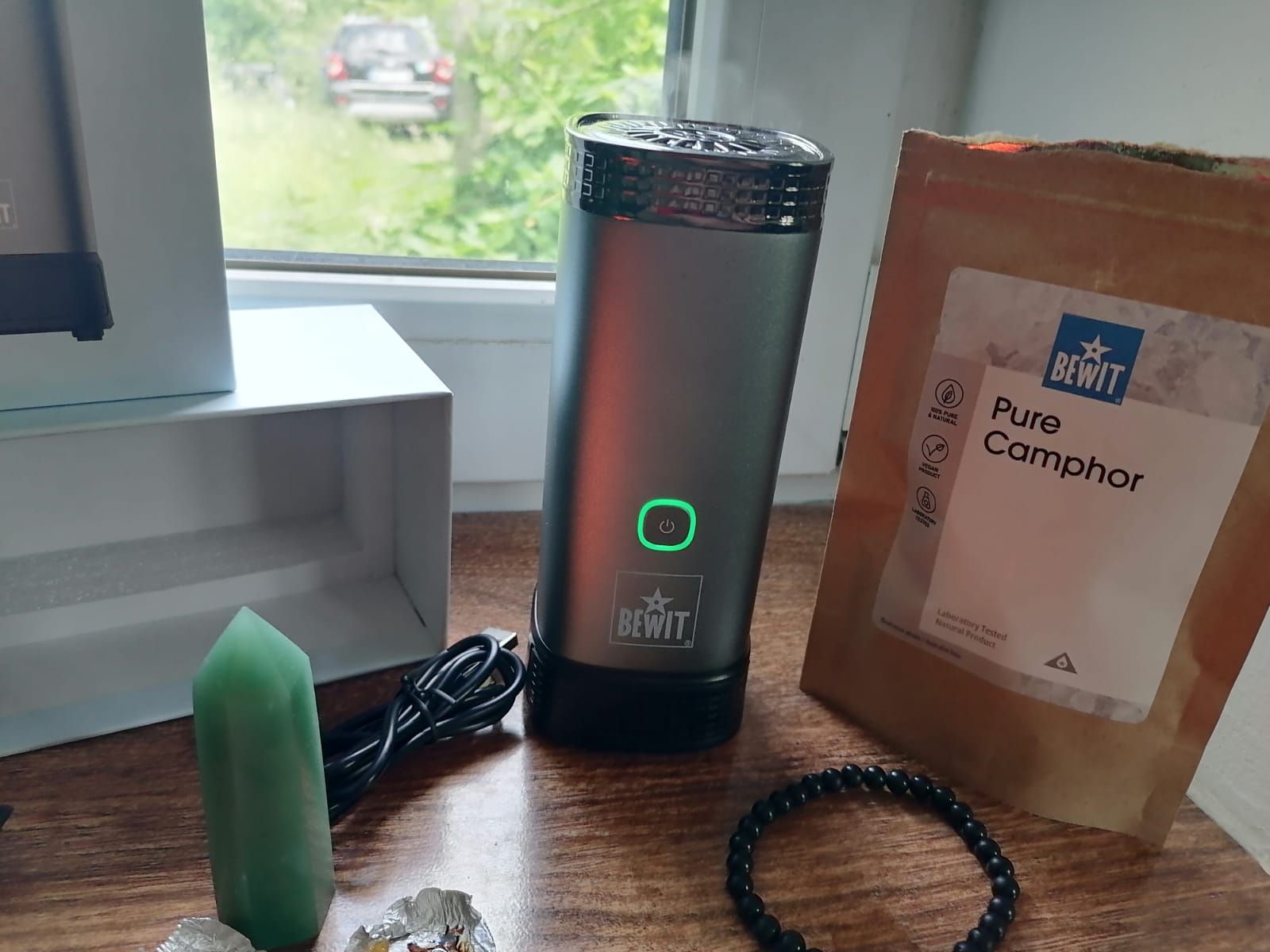
Are you looking for a distinctive incense that will invigorate you and
activate energy in your space?
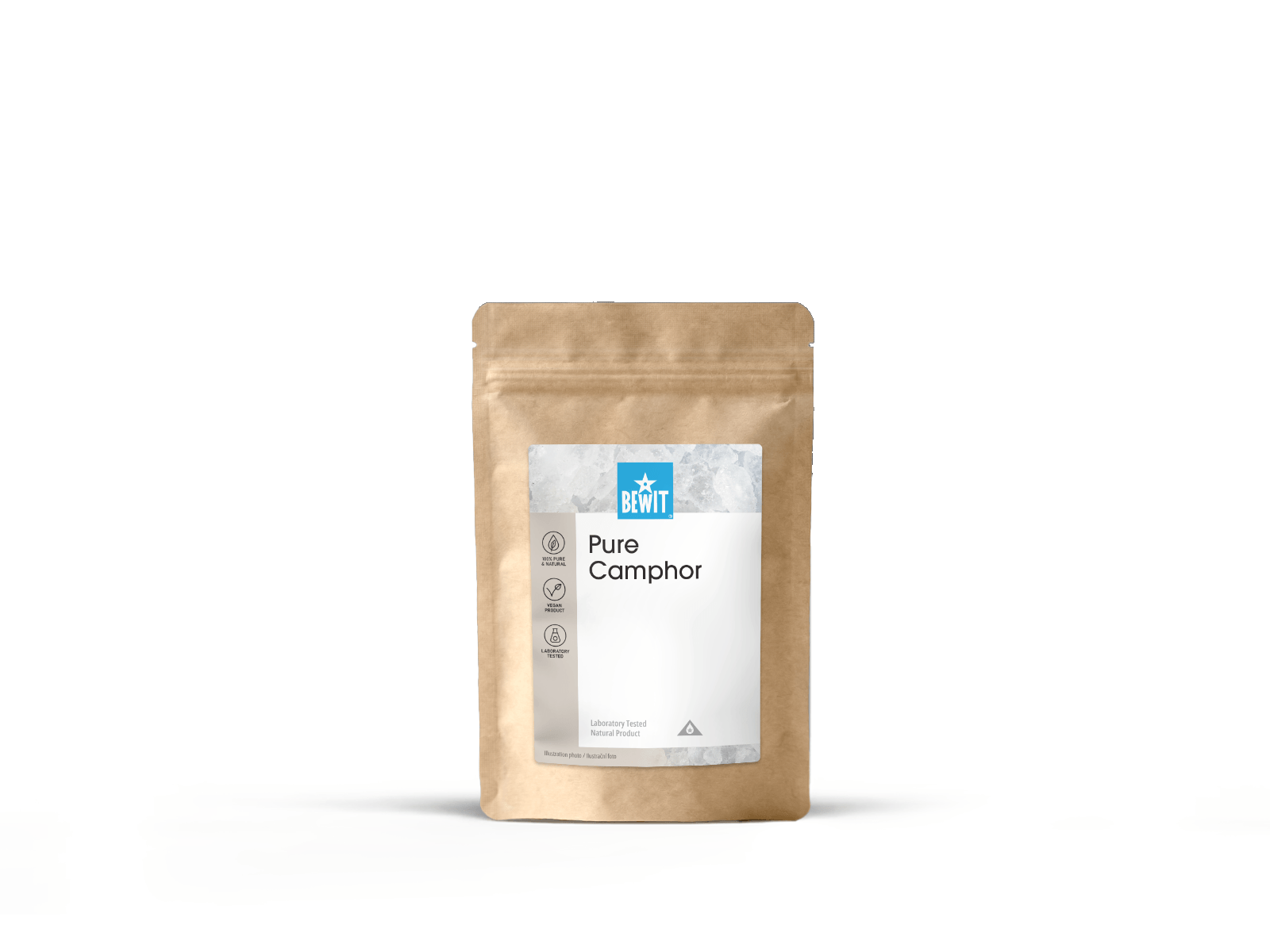
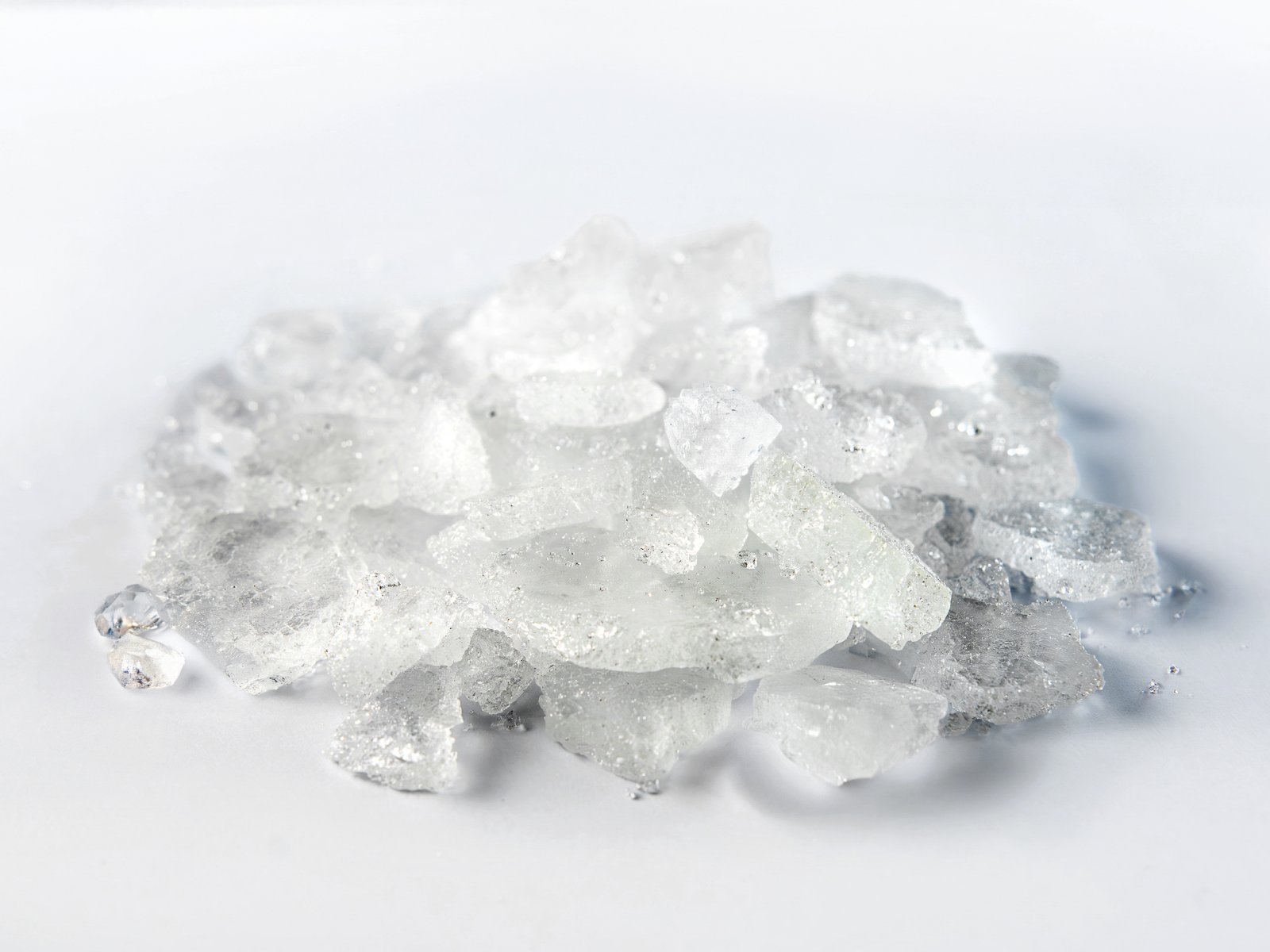
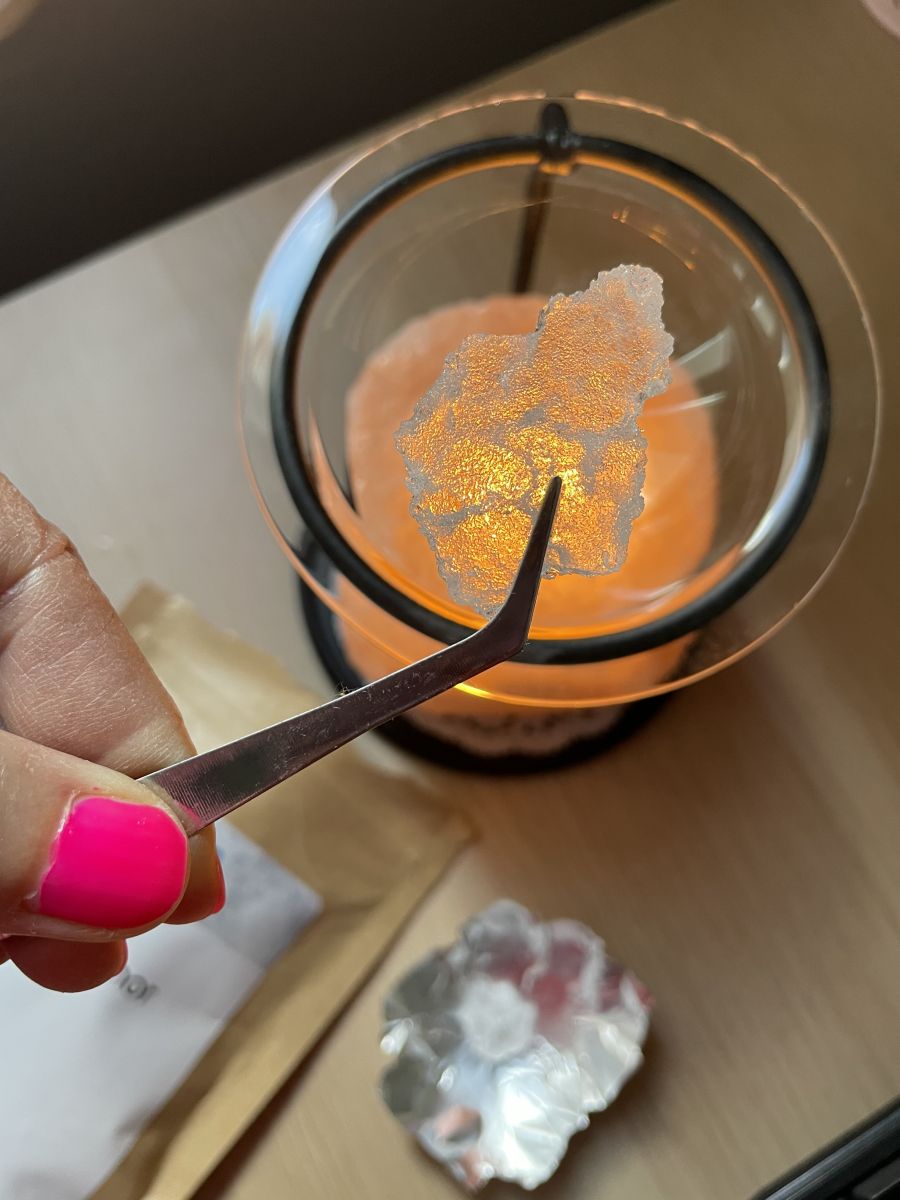
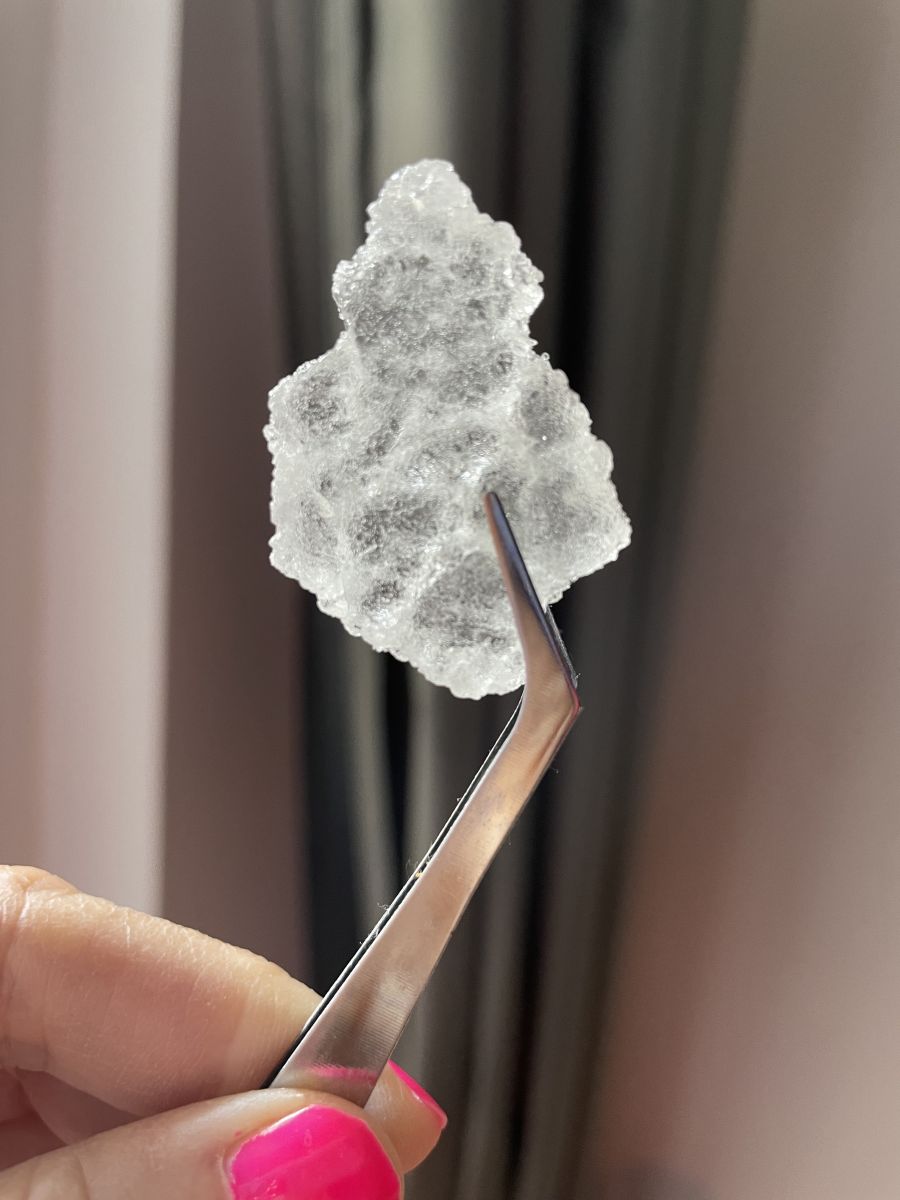
Try natural camphor crystals, which have been valued in traditional cultures
since ancient times for their purifying, disinfecting, and
protective effects. It is suitable on its own or in incense blends.
It warms, contributes to body relaxation, and opens up the
respiratory passages. Its pungent aroma will
awaken you, promote concentration, clarify, and relax the mind.
It neutralises odours, from kitchen smells to cigarette smoke, and is considered
an effective repellent.
It also has an invigorating effect in the space. It
revitalises stagnant areas, purifies the air, and aids in eliminating negative
and oppressive energies, especially after trying experiences such as disputes or
prolonged visits. It is best for a short, intense cleanse.
In traditional folk medicine, camphor was also used in
ointments – for regenerating overworked or stiff muscles and joints, against
skin itching, and for insect bites.
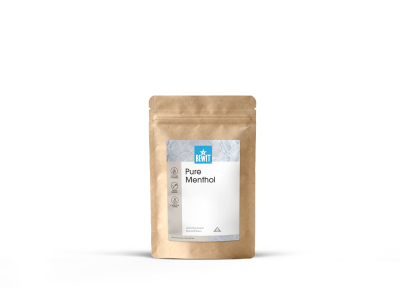
Camphor is sometimes compared to menthol. Both types of
crystals have a distinct scent, but they work differently. Camphor, compared to
menthol, warms and stimulates more, focusing more on the body and spaces, while
menthol lightens the head and respiratory passages. Unlike menthol, camphor
crystals are not water-soluble, but they are soluble in alcohol or oil.
Warning
Due to the strong effect of camphor, use only a small amount
when incensing and ensure the area is well-ventilated. In large quantities, it
can irritate mucous membranes. Avoid inhalation during pregnancy and
breastfeeding or by sensitive individuals. Animals must be able to leave the
room. Do not ingest internally.
Camphor is flammable, so do not leave the incense
unattended.
Camphor – intense cleansing from ancient times
Natural camphor comes from the camphor tree (Cinnamomum
camphora) of the laurel family. Its original home is East Asia, but today
it is also cultivated in Southeast Asia and India. Camphor is obtained by steam
distillation of wood and leaves, followed by cooling, during which the released
essential oil solidifies into crystals.
From time immemorial, it has been used in Ayurveda, traditional Chinese and
Arabic medicine, in religious rituals as a smoke offering or a cleansing agent,
and also in cooking. In the Middle Ages, it served as protection against plague
and other infections, as well as for treatment or prevention.
Why incense
Incensing is an ancient way of cleansing space, uplifting the mind,
and inducing a state of harmony. The smoke from resins purifies the
air, brings peace, grounding, concentration, and spiritual attunement.
- Calms, helps harmonise emotions
- Supports concentration and clarity of mind
- Accompanies rituals and spiritual practice
- Energetically tunes spaces
- Neutralises undesirable odours
Instructions for use – how to incense
On charcoal: Place a quick-lighting charcoal disc in a
fireproof dish with sand, light it, and add a piece of resin. This is the most
effective method for quick energy cleansing; the disadvantage is the more
intense smoke requiring ventilation.
On a burner with a sieve: A special burner allows for
gentler and longer incensing, which is optimal for meditation and smaller
spaces. After burning, it is necessary to remove resin residues from the sieve
with a brush or by washing in warm water.
In an electric censer: A portable electric censer offers a
convenient, clean, modern, and safe way to incense. With a censer, you avoid the
creation of thick smoke and burning the mixture.
Incensing tips
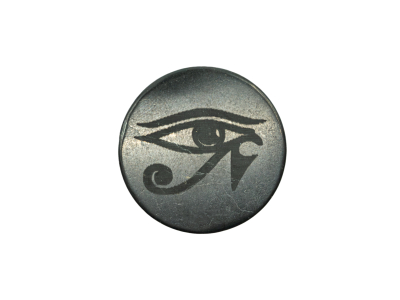
For a cleaner scent, it is advisable to use a mica plate, a
thin sheet of mica, which prevents burning and ensures a gentler and
longer-lasting fragrance.
Safety warnings
- Always use a non-flammable container, keep it out of reach of children
and pets.
- Do not leave burning unattended.
- Ensure ventilation.
- Do not inhale smoke at close range.
- Persons sensitive to smoke or pregnant individuals should incense
sparingly.
- Not intended for direct consumption or treatment – it is a traditional
aromatic raw material.
Incense blend or essential oil?
Incenses and essential oils share some common effects, but they differ in
many other aspects.
Incenses are natural resins, herbs, woods, and spices that
we heat on charcoal, a burner, or in a censer. In contrast, essential
oils are concentrated plant extracts suitable for a diffuser or, after
proper dilution, even on the skin.
Incenses are characterised by an authentic, „live“, rawer
scent with smoky notes, allowing for quick and intense
energetic cleansing of spaces and strong support for
rituals, meditations, women's circles, and various
ceremonies.
Essential oils will be useful when you need to gently and
long-term scent spaces or are looking for a targeted aromatherapy effect.
Incenses are ideal for momentary cleansing, ceremonies, sacred
moments, meditations, rituals, and ceremonial work.
If you prefer a gentler effect, try the „Camphor“ essential oil: [https://bewit.love/…ncialni-olej].
Also try
Recommended storage
Store in a dry, dark, and cool place, well-sealed (resin absorbs
moisture).
Ingredients
Camphor tree (Cinnamomum camphora)
Country of origin
India





 Български
 Čeština
 Deutsch
 Eesti
Eesti
 Español
 Français
 Hrvatski
 Italiano
 Latviešu
 Lietuvių
 Magyar
 Nederlands
 Norsk
Norsk
 Polski
 Português
 Română
 Русский
 Slovenčina
 Slovenščina









 HU (
HU (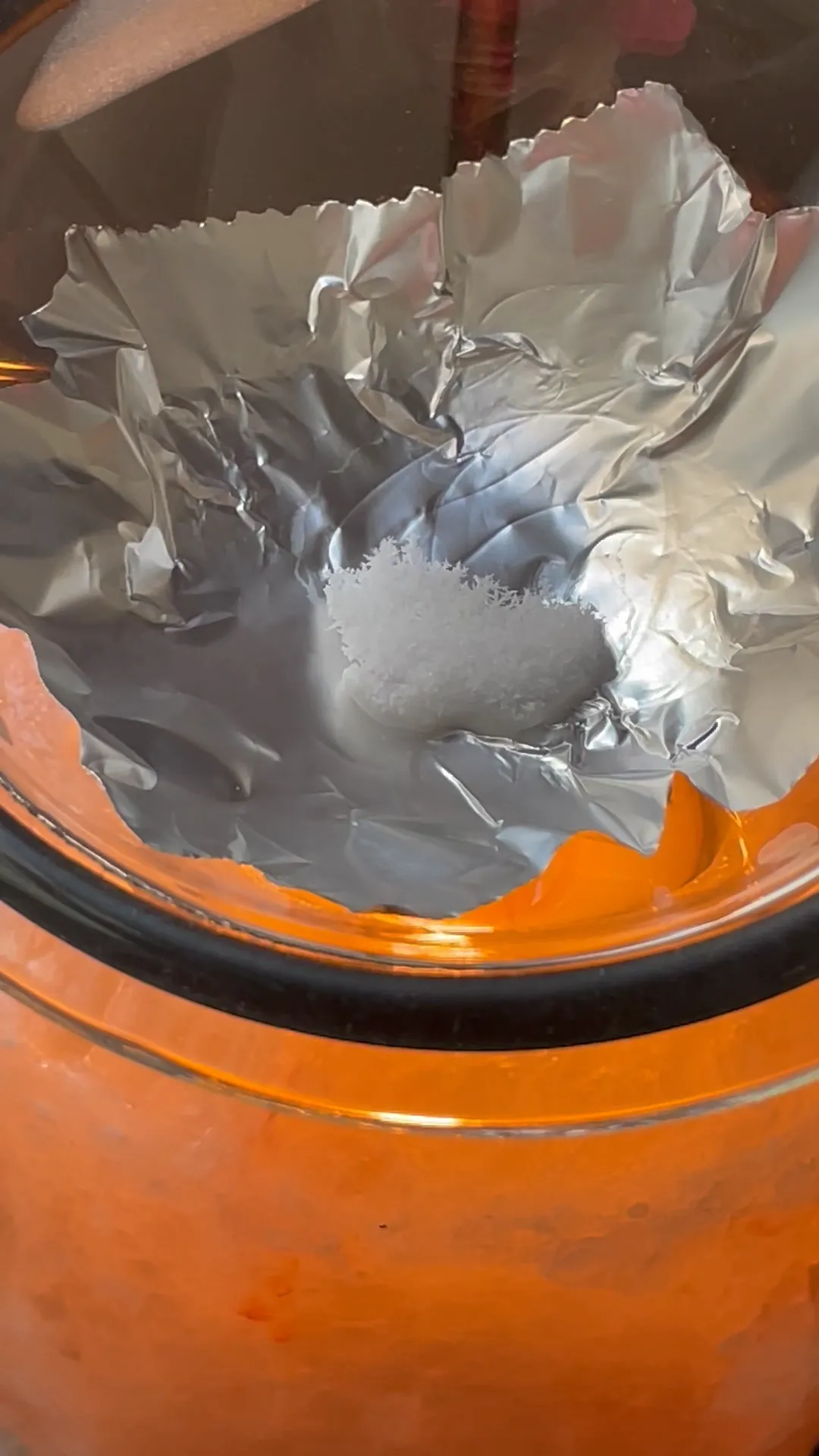

 RO (
RO (