History
Ancient and inconspicuous
We owe the discovery of the inconspicuous chlorella to the Dutch
microbiologist Mr M. W. Beijerinck, who discovered and first isolated it in
1890. However, during his research, he found a close connection between
chlorella and Acritarch microfossils dating back 1.5 billion years. He thus
proved that this freshwater algae had been part of the ecosystem for a very long
time. [1]
It won over the whole world
The contained biologically active substances, their effects and high
absorbability have been the subject of many scientific studies, which continue
to generate new knowledge and present interesting conclusions. Thanks to its
beneficial effects, chlorella has gained fans all over the
world. [2,3,4,5,6]
Origin and cultivation
Protected from heavy metals
Chlorella is a single-celled freshwater algae that needs a
warm climate, sufficient sunlight, plenty of nutrients and truly clean water for
its ideal growth. [1] These conditions are met, as chlorella is grown in special
tanks, which ensure organic cultivation conditions. Chlorella is thus
additionally protected from heavy metal contamination.
High absorbability ensured
Chlorella harvested at its full maturity is then processed by a process
called disintegration, through which the cellular envelope
structures are disrupted. The result of the disintegration process is high
absorbability and usability of the valuable substances contained in
chlorella.
Pressed into tablets
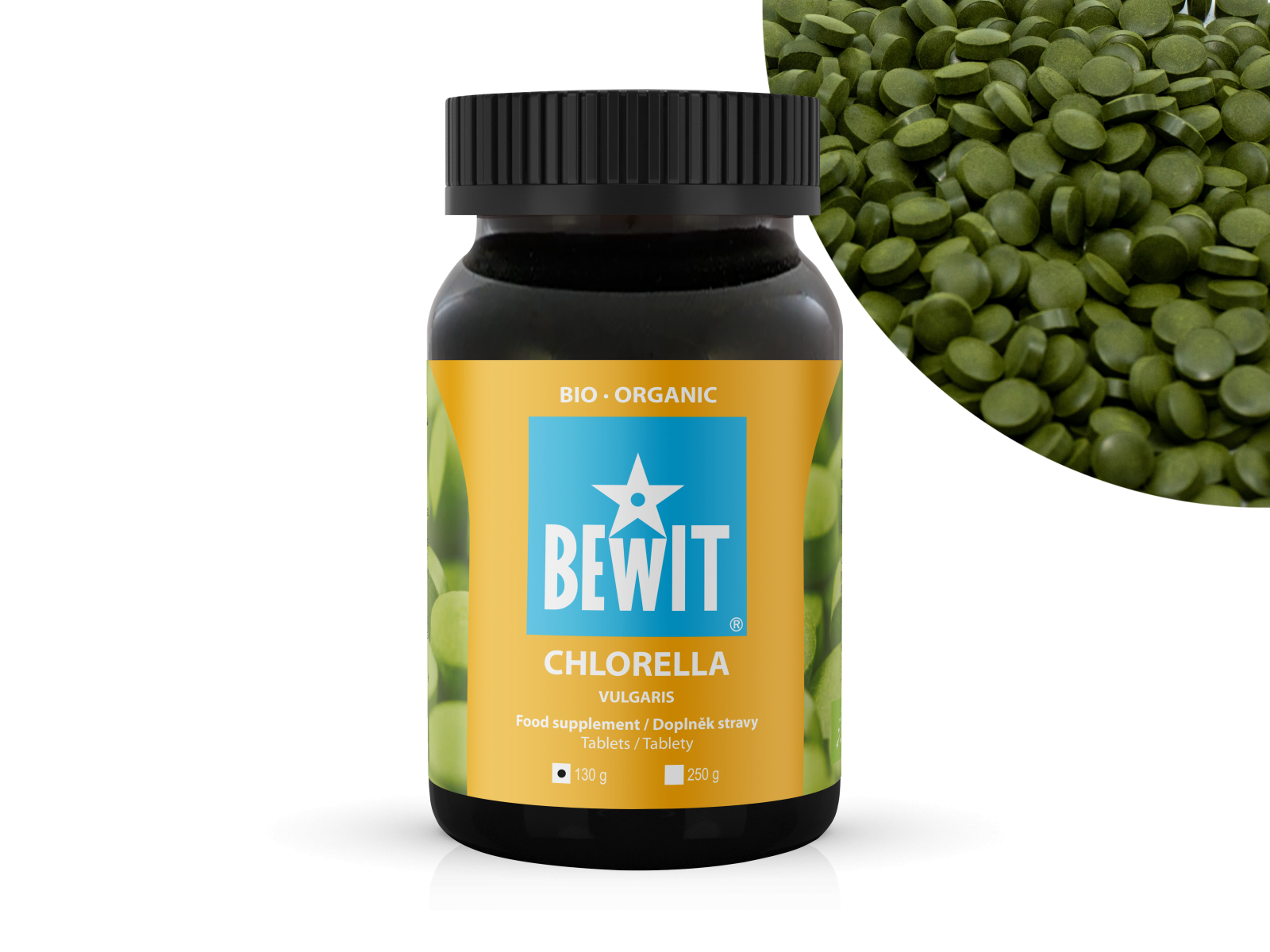
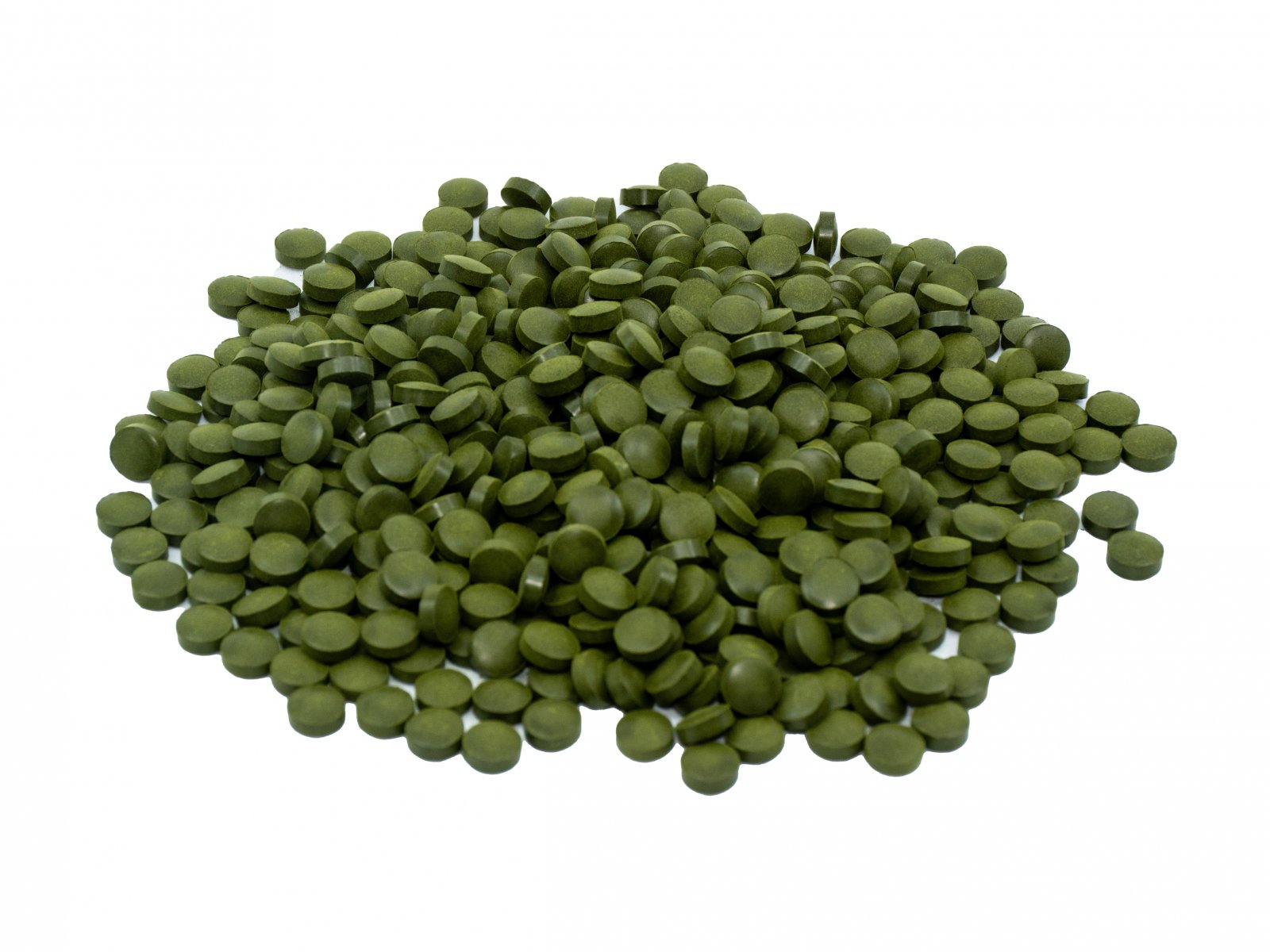
The intensely green chlorella biomass is gently dried after harvesting and
pressed into solid, green tablets. The tablet shape is achieved solely by the
pressure of the pressing device. Due to the naturally adhesive properties of
chlorella, the pressed tablets maintain their integral shape even without the
use of binders, colourings, fillers or other additives. Thanks to the unique
processing technology and adherence to low temperatures, chlorella is
still „alive“ and retains enzymes and other
valuable substances that are sensitive to high temperatures.
Composition and properties
Not all Chlorella is the same
Chlorella Pyrenoidosa or Chlorella
Vulgaris, algae almost identical at first glance, yet
different. Their difference lies in their composition.
Chlorella Pyrenoidosa, compared to Vulgaris, contains much more
highly branched polysaccharides. Their presence has its justification,
however, in problems with constipation or
digestion it may not be a suitable choice. But otherwise, you
will certainly appreciate it. [7]
Slight differences were also noted in the protein content and other
nutrients. So, take a look at the composition and choose the right chlorella
for you.
This product is naturally gluten-free – it is therefore also suitable for
people with gluten intolerance and coeliacs.
A phytonutrient-packed superfood
Among the minerals, it is primarily iron, iodine, manganese and
phosphorus, for their high content that chlorella is
sought after. Every cell in the body will certainly welcome the presence of
purely natural selenium.
Another advantage of chlorella is its high content of fat-soluble
vitamin D and water-soluble vitamins B1 and B3.
Fibre, vegetable oils or easily absorbable proteins, all
these macronutrients are also present.
The characteristic green colour of chlorella is also given by the naturally
present carotenoid and chlorophyll pigments. Especially chlorophyll
A and beta-carotene. Its growth factor is also
highlighted.
For vegans and vegetarians
Due to its vitamin B12 content and high amount of
iron, chlorella is also a suitable dietary supplement for
vegans and vegetarians, who may have an insufficient intake of these due to
restricting animal food consumption.
Usage
Simply swallow
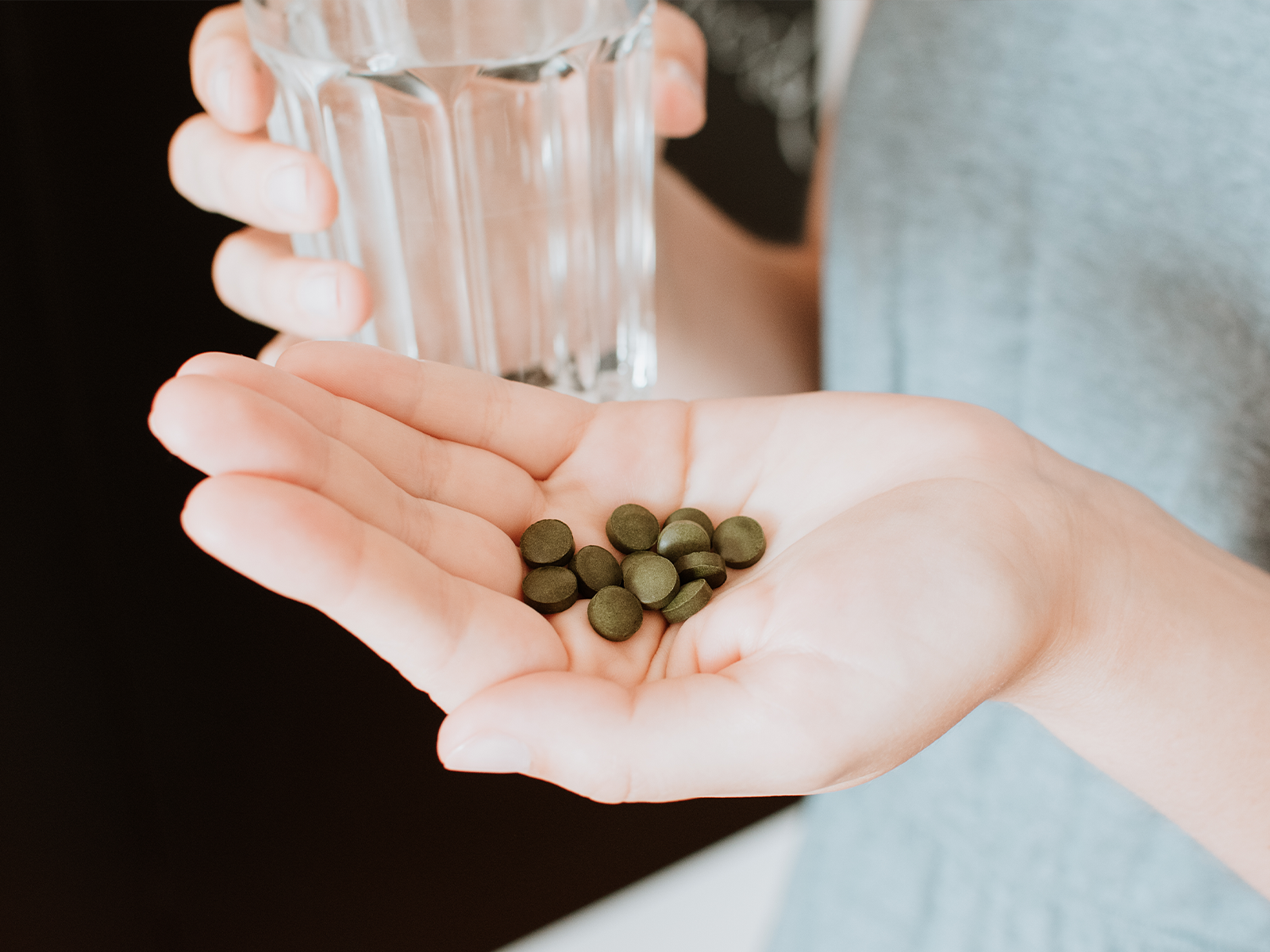
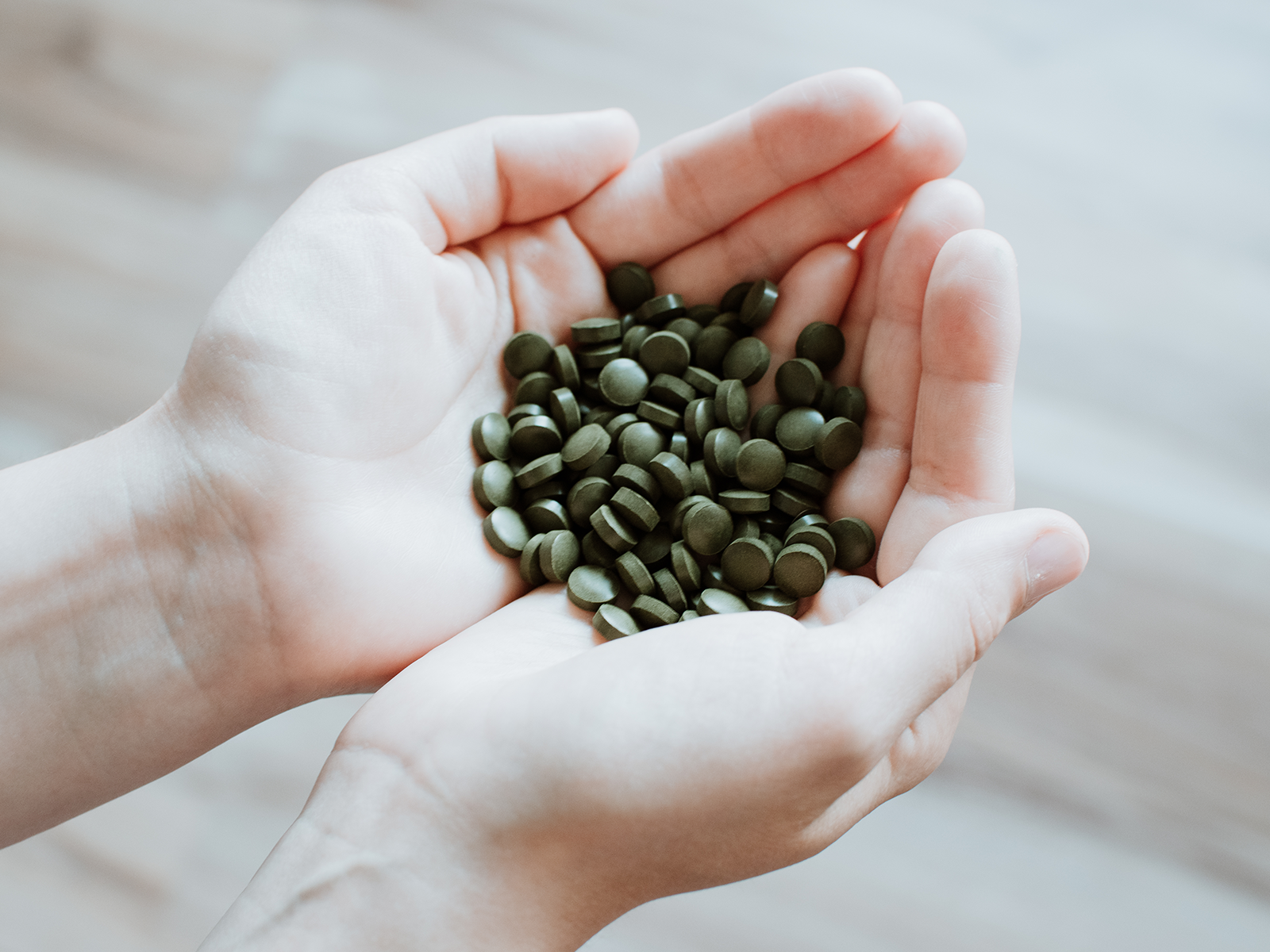
The tablet form of chlorella is typical for its green colour and shiny
appearance. Chlorella tablets can simply be swallowed with a glass of water or
another favourite drink. The advantage is their more convenient dosage.
Recommended dosage
Start with a dose of 4 tablets 3 times a day (12 tablets), at least
15 minutes before a meal. Swallow with a glass of water. Over 14 days,
gradually increase the dose to 7 tablets 3 times a day (21 tablets). Daily
intake of Chlorella: 3–5 grams.
Do not exceed the recommended daily dose. The product is not intended as a
substitute for a varied and balanced diet. Not intended for children under
3 years of age. Store in a dry place, protect from heat.
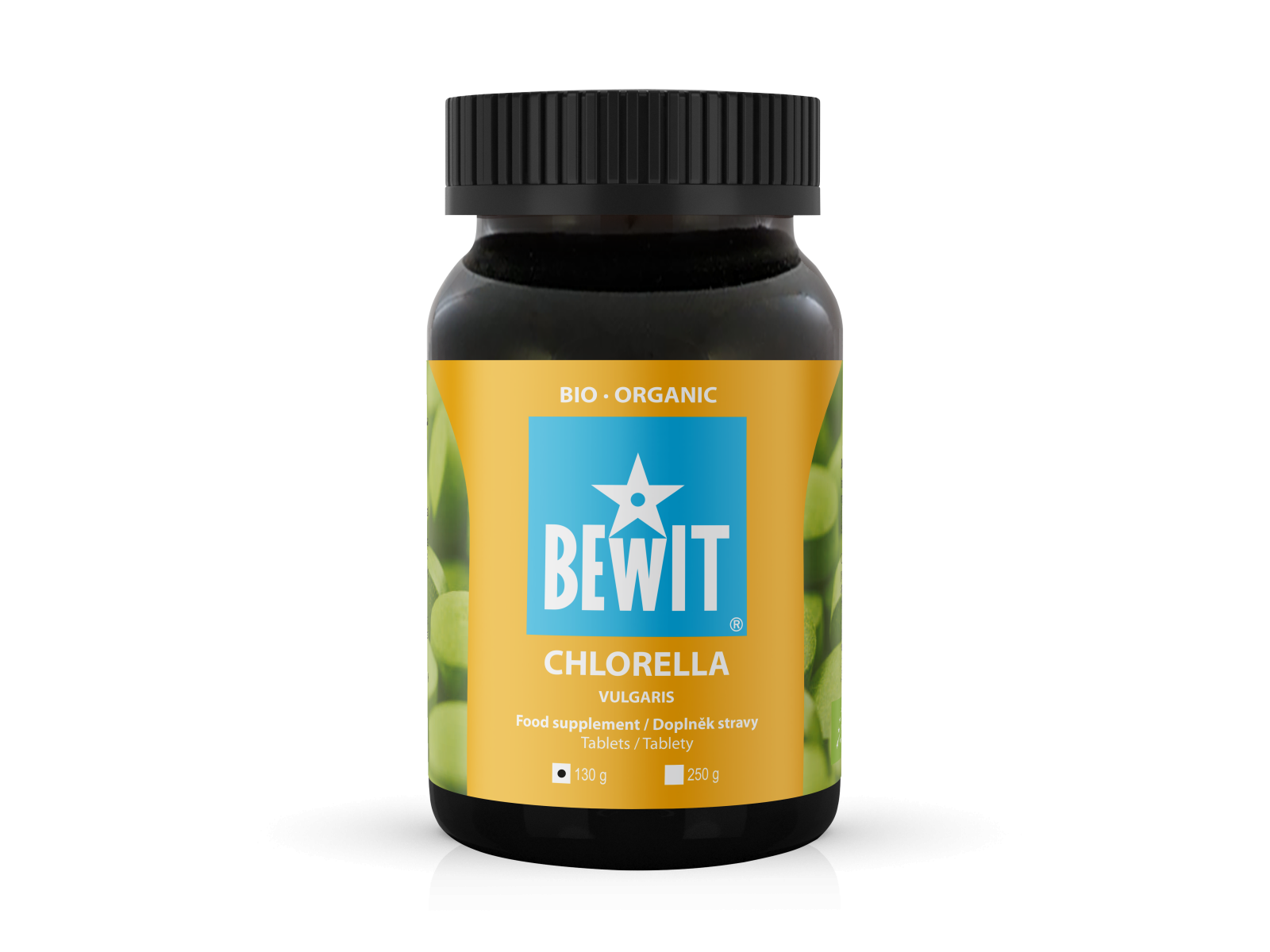
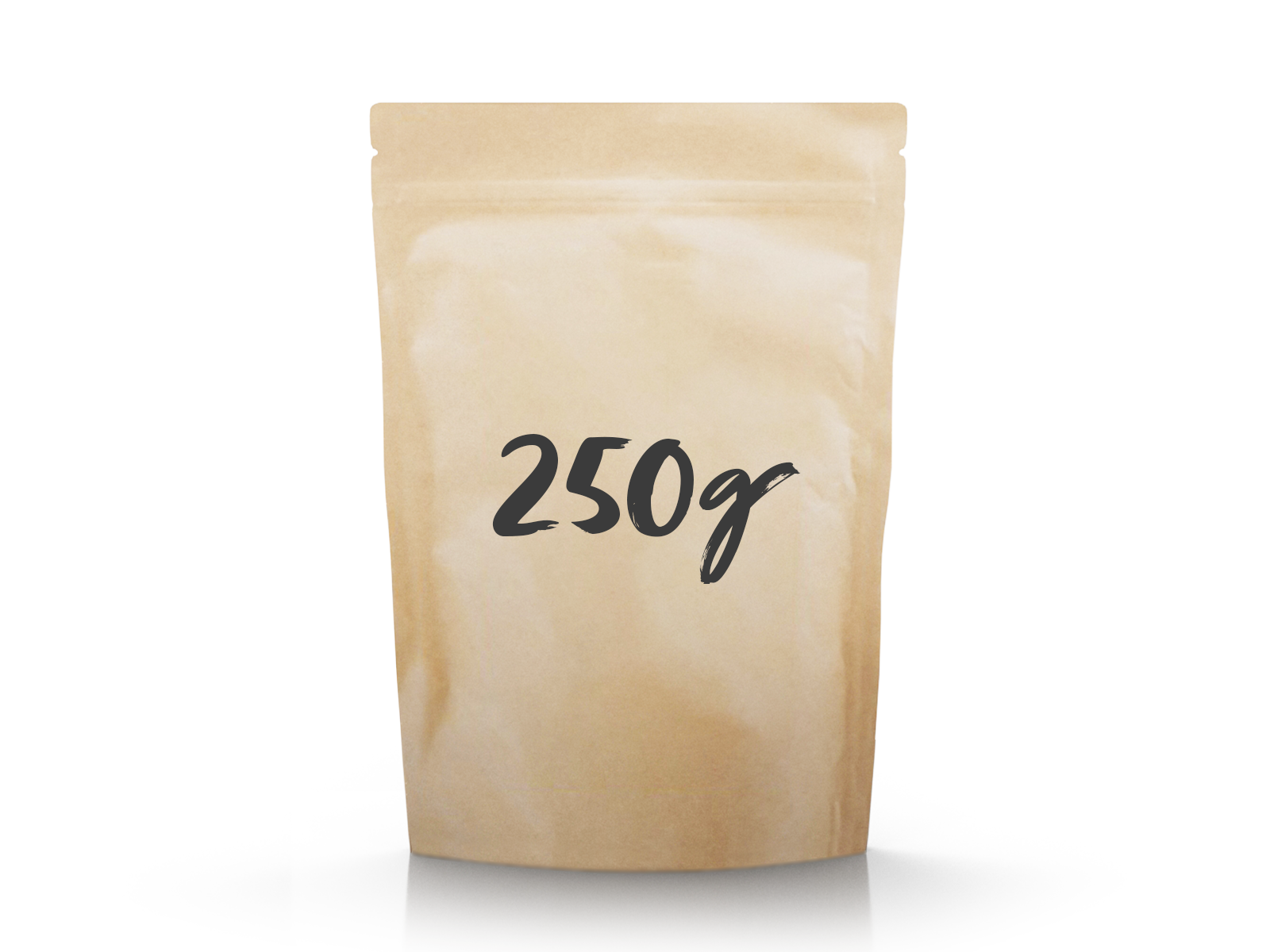
You can choose from two packaging variants:
- in a paper bag, content 250 g, 1000 tablets,
- in a glass, content 130 g, 520 tablets.
Origin: China
In conclusion
Health claims from the so-called ON HOLD list:
Chlorella:
- vitality – energy – tone, natural defences
- immunity – energy
ON HOLD list – This is a list of substances and their relationship to
health, which have been submitted to EFSA for assessment, but EFSA has not yet
issued a scientific opinion or the EC has not yet issued a decision. Please note
that these claims are temporary.
Sources
[1] MÜLLER, Julia et al., 2005. DISTINCTION BETWEEN MULTIPLE ISOLATES OF
CHLORELLA VULGARIS (CHLOROPHYTA, TREBOUXIOPHYCEAE) AND TESTING FOR
CONSPECIFICITY USING AMPLIFIED FRAGMENT LENGTH POLYMORPHISM AND ITS RDNA
SEQUENCES. Journal of Phytology. 41(6), 1236–1247.
[2] WANA, Xu-zhi et al., 2019. Anti-diabetic activity of PUFAs-rich extracts
of Chlorella pyrenoidosa and Spirulina platensis in rats. Food and Chemical
Toxicology. (128), 233–239.
[3] BITO, Tomohiro et al., 2016. Characterization and Quantitation of
Vitamin B12 Compounds in Various Chlorella Supplements. Journal of Agricultural
and Food Chemistry. 64(45), 8516–8524.
[4] WAN, Xu-zhi et al., 2020. Physicochemical Characterization of a
Polysaccharide from Green Microalga Chlorella pyrenoidosa and Its Hypolipidemic
Activity via Gut Microbiota Regulation in Rats. Journal of Agricultural and Food
Chemistry. 68(5), 1186–1197.
[5] REYES SUA´ REZ, Erick et al., 2006. Immunostimulatory Polysaccharides
from Chlorella pyrenoidosa. A New Galactofuranan. Measurement of Molecular
Weight and Molecular Weight Dispersion by DOSY NMR. Biomacromolecules. 7(8),
2368–2376.
[6] HSU, HSIEN-YEH et al., 2010. Immunostimulatory Bioactivity of Algal
Polysaccharides from Chlorella pyrenoidosa Activates Macrophages via Toll-Like
Receptor 4. Journal of Agricultural and Food Chemistry. 58(2), 927–936.
[7] SHI, Ying, Jianchun SHENG, Fangmei YANG a Qiuhui HU. Purification and
identification of polysaccharide derived from Chlorella pyrenoidosa. Food
Chemistry. 2007, (103), 101–105.





 Čeština
 Français
 Български
 Nederlands
 Norsk
Norsk
 Italiano
 Română
 Slovenščina
 Slovenčina
 Deutsch
 Polski
 Hrvatski
 Español
 Magyar
 Pусский









 Čeština
  Slovenčina
  Magyar