History
The history of this interesting plant probably dates back to 6,000 years
before Christ. It was discovered in the Andes Mountains, where it still grows
today. In the beginning, it was mainly used by the Andean indigenous population,
for whom Maca was the only edible plant growing at such a high altitude. On the
basis of its strengthening effects and resistance to high altitude harsh
conditions, it has become a tradition that it is a God-sent plant. Based on
superstition, Maca has earned its nickname „the strengthening plant sent down
from heights“. The first written description of this plant was published in
1553 by the Spanish chronicler Ciezao de Leon, who learned about the plant on
his first trip to Peru. He liked the plant so much that he carried it on his
return trip to Spain. As a result of this event, awareness of this plant spread
throughout Europe and other parts of the world.
Origin and cultivation
This biennial plant, which originates from Peru, is classified in the beet
family together with the beet family. In the wild, it is easy to miss, as its
above-ground parts grow to a maximum height of 15 centimetres. The underground
part of the plant is the root (tuber), which is spherical to spindle-shaped. The
root may be cream, white or yellow. However, there are also varieties whose
roots are dark red to dark brown. By virtue of its constitution, Maca can
withstand harsh alpine conditions such as cold, strong winds, reduced oxygen
content and exposure to strong UV radiation. Due to its hardiness, it grows at
altitudes of up to 4500 metres above sea level, which is what makes it
unique.
Composition and properties
Maca is a rich source of substances with beneficial effects. Maca powder with
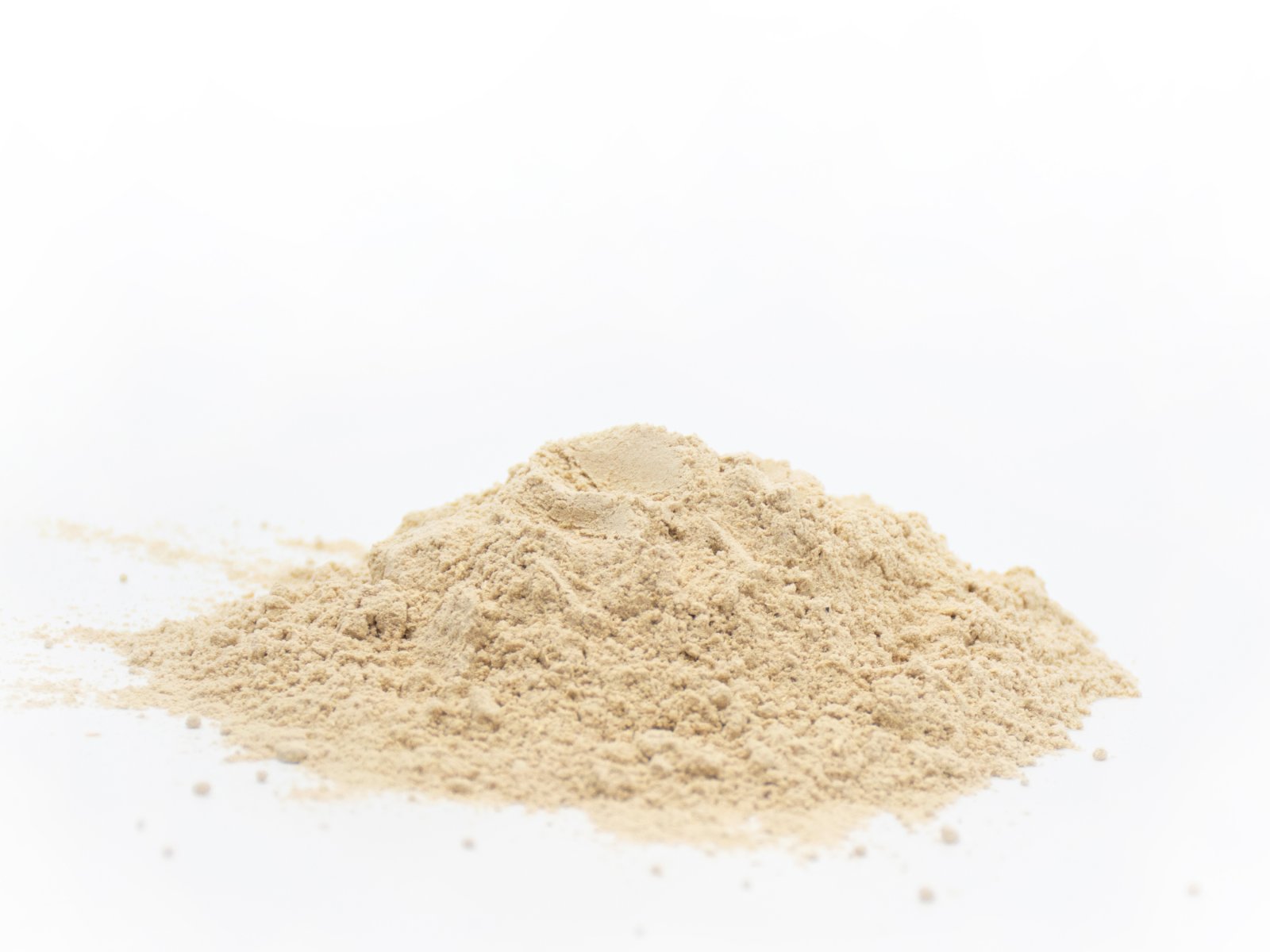
a yellowish colour is characterised by its typical creamy and sweet taste.
Recommended dosage
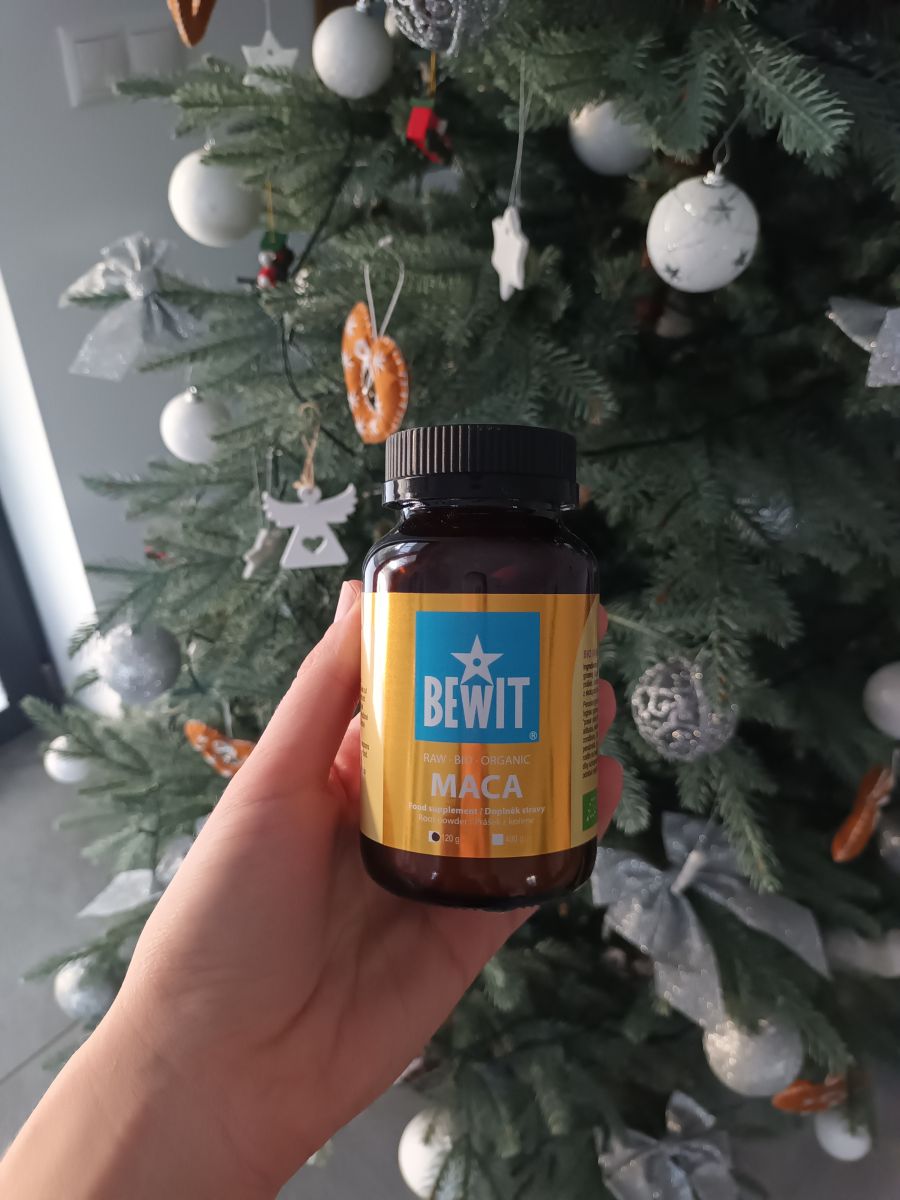
Stir 1–3 teaspoons (5–10 grams) daily in water, juice, milk, porridge,
smoothies, cereals or other foods. Daily intake of Maca: 5–10 g.
Warning
- Do not exceed the recommended daily dose.
- This product is not intended to replace a varied and balanced diet.
- Keep out of reach of children.
- Not suitable for children under 3 years of age or pregnant and
lactating women.
- Store dry, protect from heat.
In conclusion
- 100% pure and natural ingredients.
- Suitable for vegans and vegetarians
Packaging
You can choose from two packaging options:
- in a paper bag, 400 g content
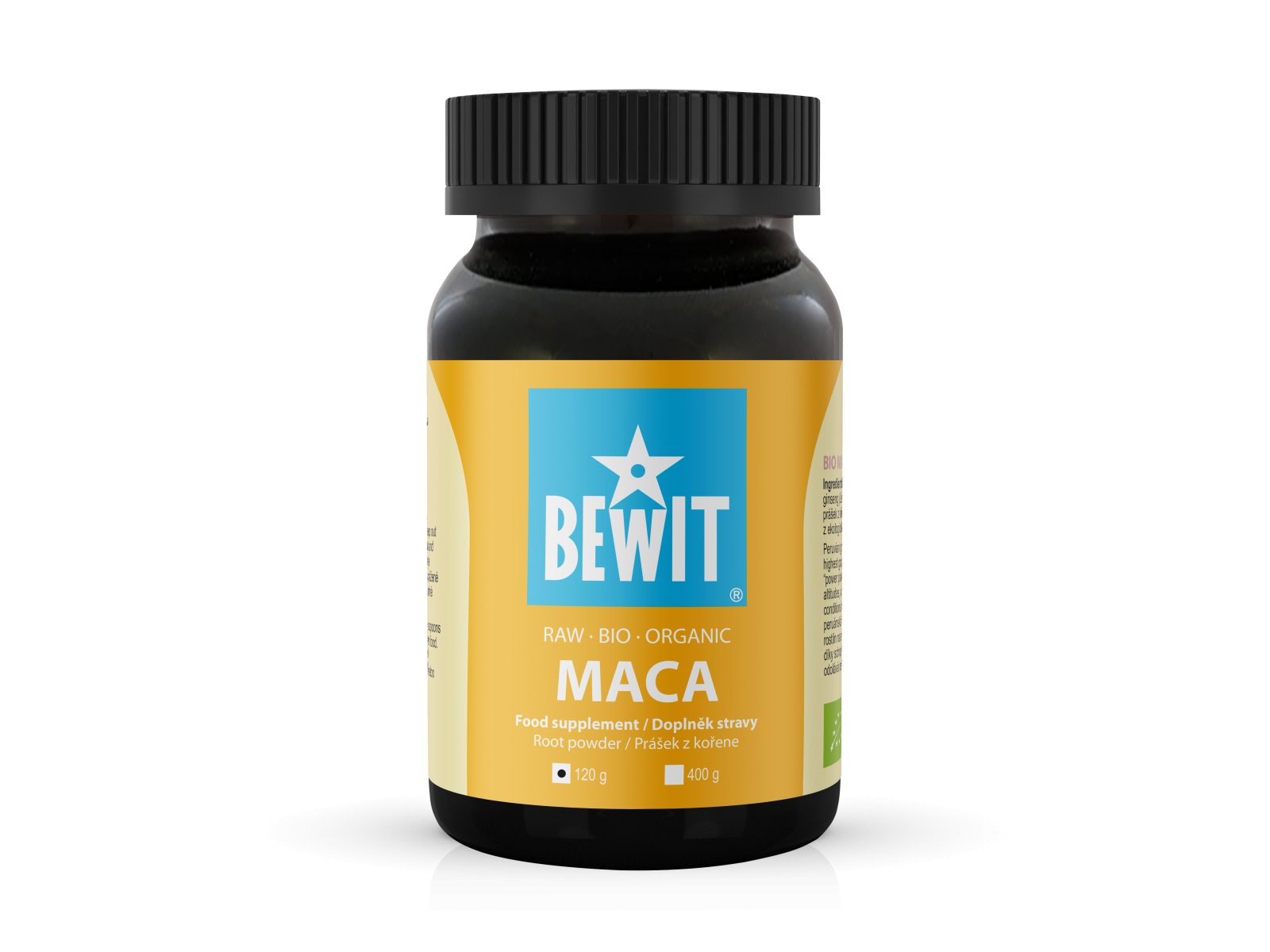
- in glass bottle, 120 g content
Origin: Peru
Sources
[1] WANG, Sunan a Fan ZHU, 2019. Chemical composition and health effects of
maca (Lepidium meyenii). Food Chemistry. 288, 422–443.
[2] GAN, Jin et al., Correlations between Antioxidant Activity and Alkaloids
and Phenols of Maca (Lepidium meyenii). Research Article. 10.
[3] F. GONZALES, Gustavo, 2012. Ethnobiology and Ethnopharmacology of
Lepidium meyenii (Maca), a Plant from the Peruvian Highlands. Review
Article. 10.
[4] GAN, Jin et al., 2017. Correlations between Antioxidant Activity and
Alkaloids and Phenols of Maca (Lepidium meyenii). Scientific reports. 10.
[5] GAN, Jin et al., 2017. Correlations between Antioxidant Activity and
Alkaloids and Phenols of Maca (Lepidium meyenii). Scientific reports. 10.
[6] HUANG, Yan-Jie, Xing-Rong PENG a Ming-Hua QIU, 2018. Progress on the
Chemical Constituents Derived from Glucosinolates in Maca (Lepidium meyenii).
Natural Products and Bioprospecting. 8, 405–412.
It is an effective adaptogen. It helps the body to adapt to external
conditions such as stress, fatigue or exhaustion.
Health claims from the so-called ON HOLD list
• Physical and mental health
• Endurance
• Vitality
• Fertility
ON HOLD list – This is a list of substances and their relationship to
health that have been sent to EFSA for assessment but EFSA has not yet issued an
expert opinion or the EC has not yet issued a decision. Please note that these
claims are temporary.






 Čeština
 Français
 Български
 Nederlands
 Norsk
Norsk
 Italiano
 Română
 Slovenščina
 Slovenčina
 Deutsch
 Polski
 Hrvatski
 Español
 Magyar
 Pусский














 SK (
SK (

 HU (
HU (