



 Čeština
 Français
 Български
 Nederlands
 Norsk
Norsk
 Italiano
 Română
 Slovenščina
 Slovenčina
 Deutsch
 Polski
 Hrvatski
 Español
 Magyar
 Pусский

In aromatherapy and natural care, there are essential oils that have become staples, and Tea Tree is undoubtedly one of them. It is known for its distinctive character and intense aroma, which for many people is synonymous with purity. However, this very strength may not suit everyone, especially with frequent or prolonged use.
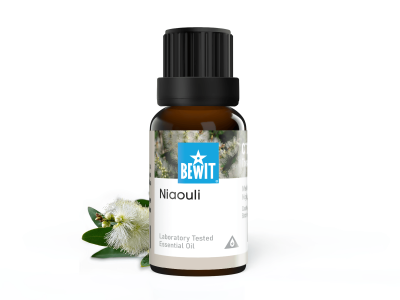
Niaouli Essential Oil comes from the same botanical genus Melaleuca, which offers a similar purifying character, but in a gentler form. This makes it suitable wherever Tea Tree is perceived as too intense. In this article, we will look at what makes Niaouli specific, how it differs from Tea Tree, and why it is often chosen as an oil for everyday use.
What is Niaouli and Where Does it Come From?
Niaouli (Melaleuca quinquenervia), also known as broad-leaved paperbark, is a tree native to Australia and New Caledonia. In the wild, it grows up to 25 metres tall and is characterised by its thick, layered bark that naturally peels off and protects the tree from extreme conditions.
Niaouli Essential Oil is obtained by steam distillation of young leaves and shoots. This gentle processing method preserves a high content of active substances and a delicate aromatic profile, which is suitable for aromatherapy, skin care, and household use.
Niaouli vs. Tea Tree: Similar Effects, Different Character
At first sniff, Niaouli essential oil may resemble Tea Tree, as both come from the same botanical genus Melaleuca. However, once the scent begins to develop, the difference is almost immediately apparent.
The scent of Niaouli essential oil has a fresh, slightly eucalyptus base, which gradually develops into gently sweet and balsamic notes. The overall impression is clean and fresh, yet soft and balanced. It is this combination that makes Niaouli an oil one likes to return to even with regular use.
Tea Tree, on the other hand, is known for its distinctive, sharper, and typically "medicinal" scent. For many people, it is irreplaceable, but others may find it too intense, especially with prolonged diffusion or daily use.
Niaouli does not stand against Tea Tree, but naturally complements it. It retains its freshness, which is typical for oils from the Melaleuca genus, but delivers it in a gentler form that is less taxing on the senses. This makes it an ideal choice for anyone who wants a clean aromatic character without excessive pungency.
In short: The difference between Tea Tree and Niaouli is not in their quality, but in their character. Tea Tree is distinctive and intense, while Niaouli brings the same feeling of purity, suitable for daily use even for more sensitive individuals and lovers of gentler scents.

How Niaouli Essential Oil Works – Key Benefits
Niaouli essential oil is among the oils with wide-ranging uses. Thanks to its composition, it has cleansing, antibacterial, and refreshing effects.
On a psychological level, it promotes alertness, concentration, and mental freshness. Its scent can invigorate when tired, but also harmonise and calm a scattered mind. It is therefore suitable for the workplace and for moments when you need to recharge your energy.
In skin care, Niaouli is valued for its cleansing and toning properties. It helps keep the skin balanced, supports the skin with minor injuries, scratches, or skin imperfections, and at the same time does not unnecessarily irritate the skin.
How to Incorporate Niaouli into Your Daily Routine
Niaouli Essential Oil has wide possibilities of use in everyday environments and in the home. It is primarily valued for its fresh and invigorating aromatic profile, which promotes a feeling of mental freshness and alertness, especially when you feel tired or lacking energy.
Its scent is distinctive, yet gentle and balanced, giving it a calming effect. Niaouli is traditionally associated with a feeling of purity and freshness and is often used where a purified and relaxed atmosphere is desired. How to incorporate Niaouli into your routine?
Uses of Niaouli Essential Oil
As mentioned, Niaouli essential oil is often compared to Tea Tree, with which it shares botanical origin and a similar character. However, it is gentler, milder, and has a less medicinal scent, making it very suitable for daily use. Its versatility allows for use in aromatherapy, body care, and in the home.
Time in Nature and Contact with Insects
Niaouli is often used when spending time outdoors – in the garden, during walks, or trips into nature. In summer, it is especially useful when mosquitoes and other insects are buzzing around. Its scent is fresh and pleasant for humans, while it tends to repel insects. Therefore, it is suitable for evening gatherings in the garden, walks through tall grass, or after insect bites or stings.
Massages and Relaxation
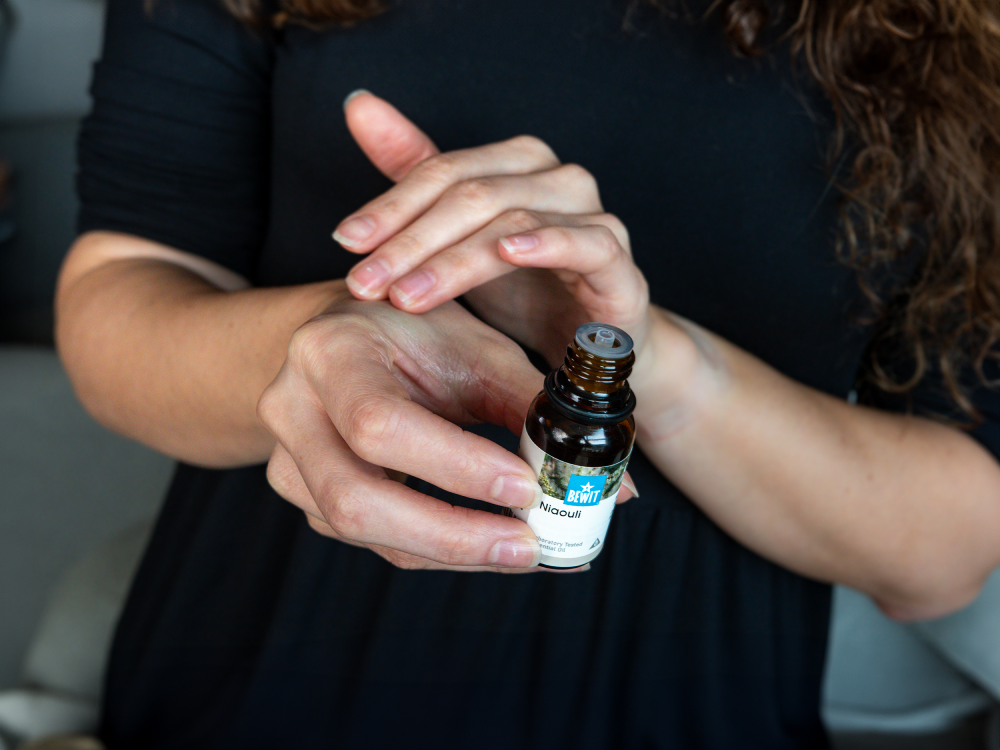
You can add Niaouli to a quality carrier oil and use it for massage. Thanks to its light texture, it spreads well and, together with the carrier oil, is easily absorbed into the skin. Treat yourself to a massage with a scent that has a fresh and relaxing effect. You will appreciate a massage especially when you feel tension or discomfort, for example in the abdominal area. The gentle, unobtrusive aroma also helps create a calm atmosphere and an overall pleasant feeling.
Cleaning and Space Purification
Niaouli is also valued for household cleaning. Thanks to its antimicrobial properties, it is often added to natural cleaning products as a fragrant and effective supplement. A few drops added to mopping water or an all-purpose cleaner are enough to ensure that cleaning is accompanied by a gentle, fresh scent without unnecessary chemicals.
Insect Repellent
The aroma of Niaouli essential oil is pleasant for humans, while it repels insects. Therefore, it is often used during mosquito season or when spending time in nature. Niaouli can be used in a diffuser or as part of simple room sprays or on textiles.
Toning and Skin Care
It has a cleansing, soothing, and toning character, making it well-suited for cosmetics and home care. It can be added to creams, oils, or facial toners. With regular use, it helps keep the skin fresh, balanced, and pleasant to the touch, without unnecessarily drying or irritating it.
Aromatherapy with Niaouli
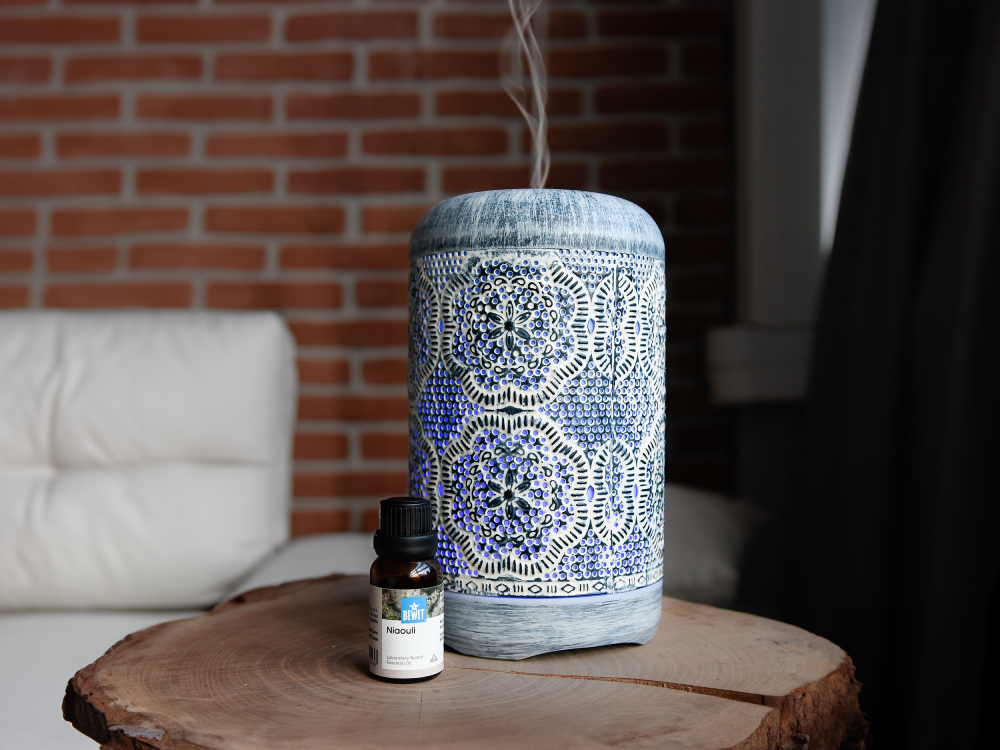
In aromatherapy, essential oil molecules act on the brain's limbic system, which is associated with emotions, mood, and concentration. Add Niaouli essential oil to an ultrasonic diffuser, where it will freshen the air and promote a feeling of mental freshness and concentration.
Make your own inhaler stick for your pocket or drop the oil onto a plate diffuser, which you can place in a wardrobe, on a shelf, or in your car.
Niaouli and Animals
Tea Tree is a very effective essential oil, but its strong character can be irritating to sensitive animal organisms. This is why gentler alternatives are often sought in households with animals.
Niaouli comes from a tree botanically close to Tea Tree and shares a similar character, but it is perceived as milder and gentler. Therefore, it is more often chosen for environments where dogs, cats, or other animals live. Even here, however, it is important to pay attention to the appropriate method of use, correct dosage, and respect the individual sensitivity of animal organisms.
What You Might Not Have Known About Niaouli
Niaouli tree leaves are naturally rich in aromatic essential oils, which are released even with light crushing. These essential oils serve as natural protection for the tree and are the basis for the production of essential oil.
Niaouli belongs to the genus Melaleuca, just like Tea Tree and Cajeput. These species share a botanical origin and certain common features, yet each of these oils has its own aromatic character and specific uses.
Niaouli essential oil is usually clear to light yellow, with a light consistency. This makes it combine well with other essential and carrier oils and is a popular component of aromatic blends.
In aromatherapy, Niaouli is classified more as a top to middle fragrance note, which makes it an oil suitable for creating a feeling of freshness and purity without a heavy or sweet aftertaste.
Frequently Asked Questions – Niaouli and Tea Tree
What is Niaouli?
Niaouli is a tree (Melaleuca quinquenervia) from the myrtle family, native to Australia and New Caledonia. Niaouli essential oil is obtained by distillation from its leaves.
What is the main difference between Niaouli and Tea Tree essential oil?
Both Niaouli and Tea Tree come from the same botanical genus Melaleuca. They share a similar purifying character but differ in scent intensity. Tea Tree is more distinctive and more medicinal, while Niaouli is gentler, more aromatic, and less pungent, making it a more pleasant choice for everyday use.
Is Niaouli essential oil suitable for daily use?
Yes. Thanks to its balanced nature and gentler aroma, Niaouli is popular as an essential oil for regular use in aromatherapy, household, and general care.
Can Niaouli be used in a diffuser?
Yes, Niaouli essential oil is suitable for a diffuser. It freshens the air and creates a feeling of purity and freshness without being too intense or intrusive.
Is Niaouli also suitable for more sensitive individuals?
Thanks to its gentler aromatic profile, Niaouli is often perceived as a milder alternative to Tea Tree, especially in terms of scent. It will be appreciated by people with a more sensitive sense of smell or those who prefer a less pronounced aroma.
Can I combine Niaouli with other essential oils?
Yes. Thanks to its fresh and light scent, Niaouli combines well with other essential oils and is often used as part of aromatic blends.
What to Remember from the Article?
Niaouli essential oil represents a balanced combination of efficacy and gentleness. It offers cleansing and antibacterial properties similar to Tea Tree, but in a more aromatic, less intense, and for many people, more pleasant form.
If you are looking for an essential oil that is suitable for daily use, aromatherapy, skin care, and household, Niaouli might be exactly what is missing from your oil collection.