TOURMALINE
Tourmaline is the most chemically complex gemstone, an
alkaline borosilicate that contains a number of elements, with variations in
chemical composition affecting the variability of its colours.
There are several colourless tourmaline stones, as well as
blue, pink, yellow, red, and black varieties. It is named after
the Sinhalese turamali or toramolli.
The deposits in the Czech Republic are Dobrá voda near Velké Meziříčí,
Dolní Bory, Písek, Nová Ves, Stupná in South Bohemia, Drahotín in Moravia.
Notable places with tourmaline include the USA, Zimbabwe, Tanzania, Sri Lanka,
Siberia, Pakistan, Nigeria, Mozambique, Madagascar, Kenya, Brazil, Australia,
Africa and Afghanistan.
BENEFITS OF TOURMALINE
- From astrological point of view it belongs to the
different signs according to the variety of tourmaline.
- Within the chakra system – by colour or as needed. It
resonates with your root chakra and also provides good
grounding energy.
- A stone that is highly dynamic, strengthening and regenerating** due to its
energy conductivity and mineral richness **.
- Tourmaline promotes kindness and tolerance.
- Helps achieve balance.
A helper for discomfort
Tourmaline can assist you in managing difficult individuals,
particularly in the workplace. Helps to unleash your
personal power, which will keep you motivated. It will create a strong
commitment to complete the goals and find creative ways
to solve problems that arise along the way. Tourmaline is a
great stone to use in a crisis, as it dispels the negativity
that surrounds you.
This stone will give you patience, stability and
encouragement.
Tourmaline in love
Tourmaline will help release emotional stress, add
calming energy, to fully focus on all the wonderful things
love life brings.
It will help to move on and free yourself from the
clutches of the past, accept what has happened and come to
terms with it.
HISTORY
The stone was first discovered by Dutch traders off the west coast of Italy
in the late 16th or early 17th century. At the time, green tourmalines were
thought to be emeralds. It was only in the 19th century that scientists realized
that these stones were their own kind of minerals.
The name tourmaline comes from the Sinhalese word „turmali“. It is the
term Dutch merchants used for the multicolored pebbles covered with
water that miners found in the gem gravels of Ceylon. This name was
given to all the coloured crystals on Ceylon at that time. This simplistic name
indicates the inability of ancient gem dealers to distinguish tourmaline from
other stones.
In fact, at one time in history, pink and red tourmalines were
considered rubies. Pink tourmaline exhibits a
more vibrant pink color than ruby. However, it is easy to see
why people so easily confuse tourmaline with other gemstones: Very few gems
match the dazzling array of tourmaline colours. From rich reds
to pastel pinks and peaches, intense emerald greens to vibrant yellows and deep
blues, the colour range of this gem is unrivalled. Brazilian discoveries in the
1980s and 1990s increased the appeal of tourmaline by bringing new intense
shades to the market.
Humans have probably used tourmaline as a gemstone for centuries, but until
the development of modern mineralogy, they identified it as some other stone
(ruby, sapphire, emerald, etc.) based on its coloration.
It is reported that artists were to be stimulated by
tourmaline in inspiration and mystics in spirituality.
SPECIFICATIONS
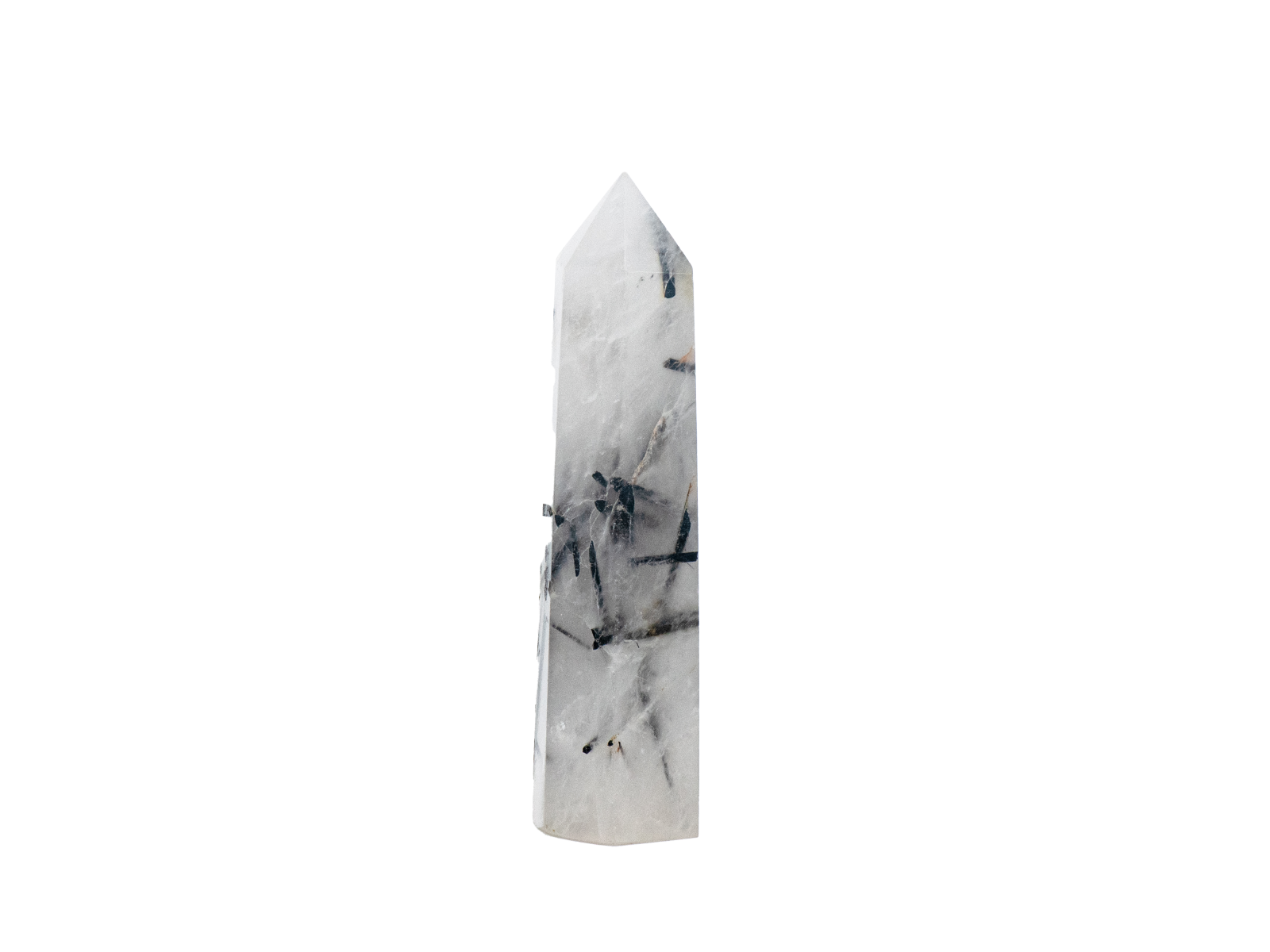
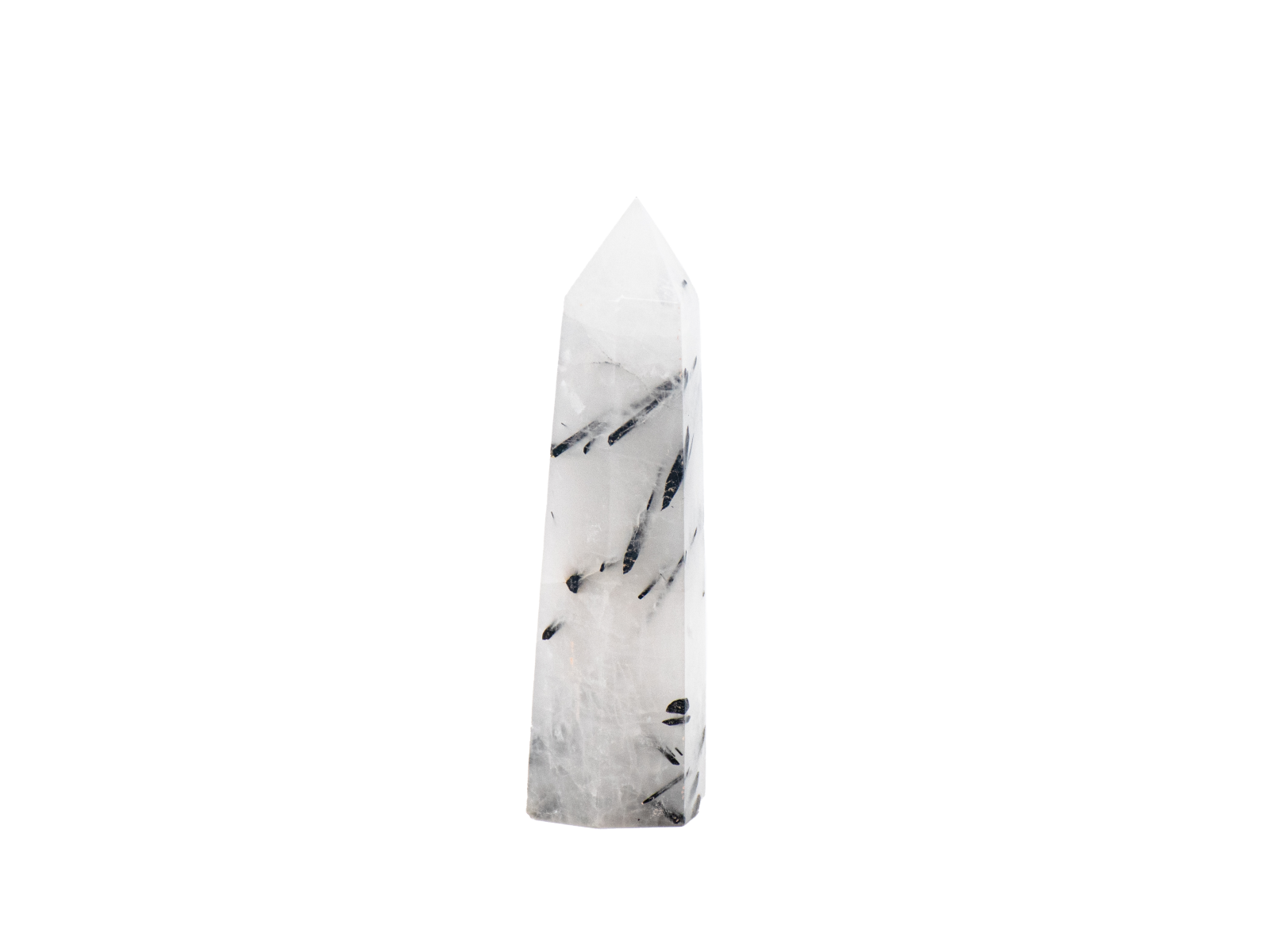
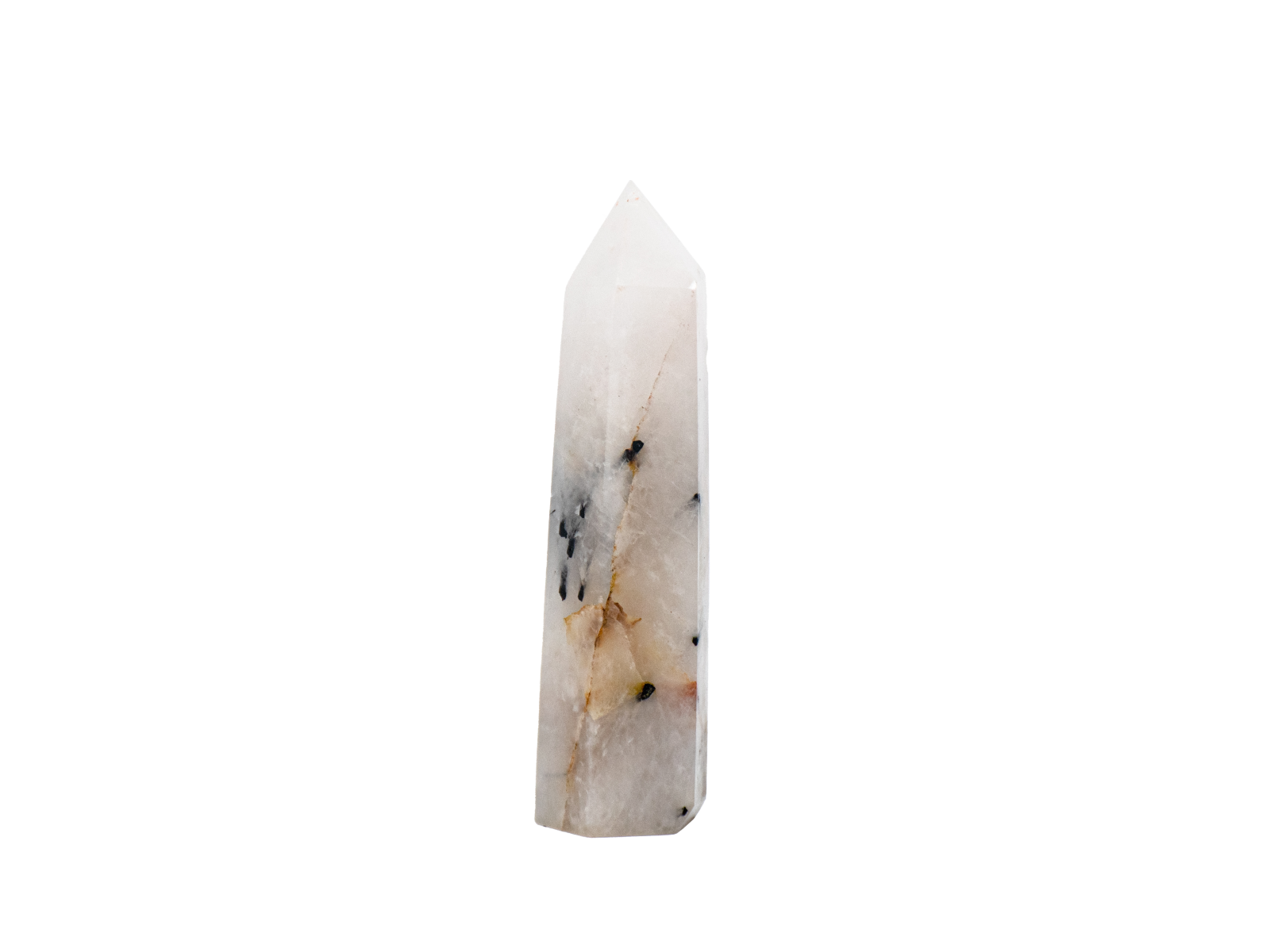
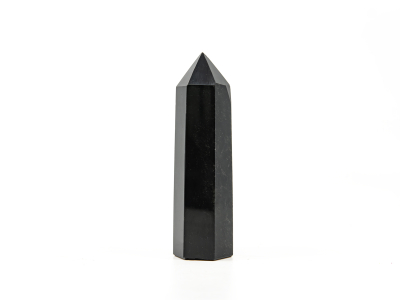
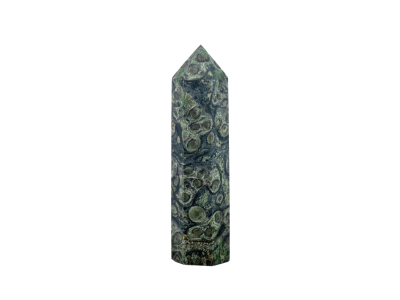
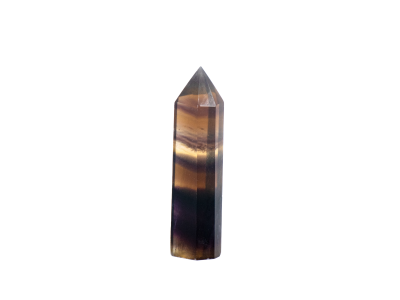
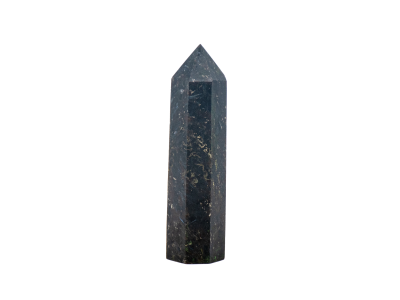
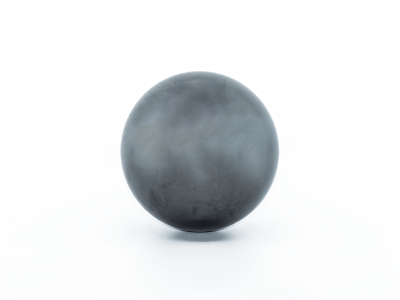
Height approx. 80–110 mm.
Weight greater 110–130 g.
Sharpened to a point.
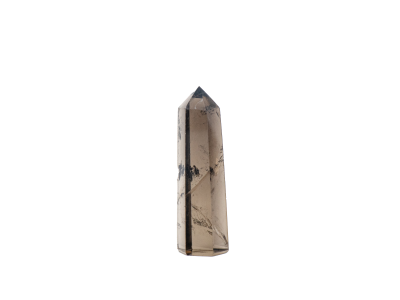
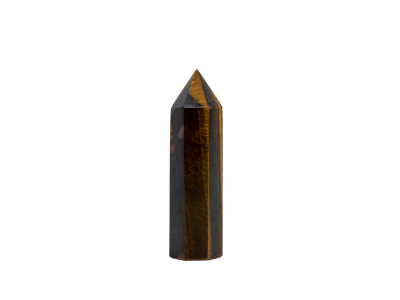
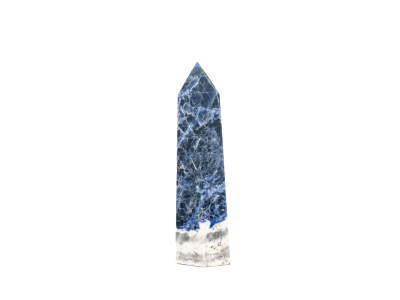
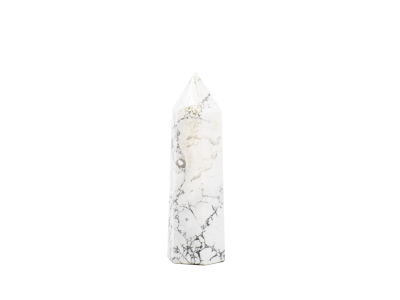
Photo is for illustration only. Each semi-precious stone is a unique original
and may differ slightly in shape and texture from the
photographs.






 Български
 Čeština
 Deutsch
 Eesti
Eesti
 Español
 Français
 Hrvatski
 Italiano
 Latviešu
 Lietuvių
 Magyar
 Nederlands
 Norsk
Norsk
 Polski
 Português
 Română
 Русский
 Slovenčina
 Slovenščina