Looking for quality cocoa with an authentic organic taste?
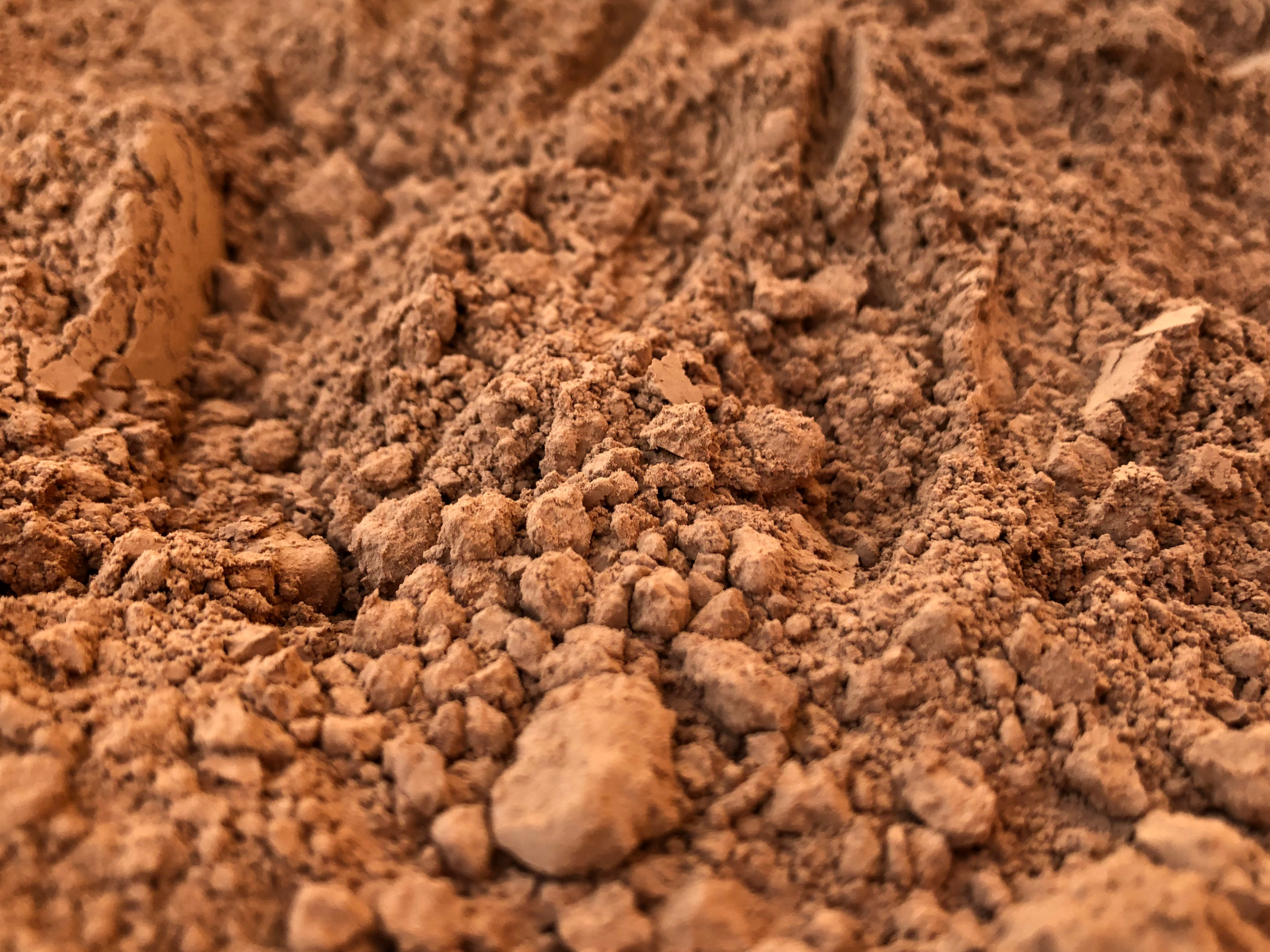
Try our non-alkalised cocoa powder. It will enrich your diet
with a range of beneficial substances and give your culinary creations a
rich cocoa flavour, moistness, and a delicate colour.
From it, you can whip up a delicious cocoa drink that will
soothe the souls of both children and adults – hot in winter and iced on
scorching days. You can add it to meals and drinks, e.g.,
porridge, yoghurt, muesli, or smoothies, to boost their nutritional value and
antioxidant intake. You'll also shine with it when baking
cakes, biscuits, and other desserts.
Cocoa powder will supplement your dishes with a whole range of
important nutrients, such as polyphenols (flavan-3-ols,
theobromine), minerals (copper, manganese, magnesium, zinc, iron), and fibre. It
is a significant antioxidant, improves mood,
and thanks to theobromine, it also gently invigorates you when
fatigue sets in.
A classic for your kitchen in premium
quality.
Benefits
- 100% pure and natural product of
organic quality
- No artificial additives, colourings, flavourings,
preservatives
- Non-alkalised, with a high nutrient content
- Suitable for vegans
- Source of antioxidants – helps reduce oxidative stress
and slow down ageing
- Source of minerals and fibre
- Has mild stimulating and simultaneously
calming effects
- Improves mood
- Acts as an aphrodisiac
- Relieves muscle tension
Cocoa known and unknown
The cocoa tree (Theobroma cacao) is a tree
originating from the tropical parts of South America. People probably cultivated
it as early as the 5th century. Today, it is widespread throughout the tropical
belt, widely cultivated in Africa (Ivory Coast, Ghana, Cameroon, and others).
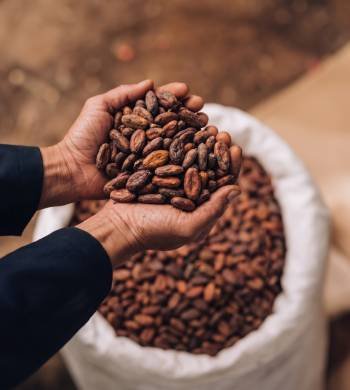
Its name means „food of the gods“. The fruits are about 30 cm long pods,
which contain seeds inside called cocoa beans. And it is from these that cocoa
is made, an ingredient popular all over the world.
How is cocoa made?
Cocoa beans (nibs) are fermented, dried, roasted, husked, and ground into
cocoa paste. This is used to make chocolate, or it is further pressed under high
pressure to separate the cocoa butter, which is used in the food industry,
cosmetics, or pharmacy. The remaining cocoa mass, stripped of its fat component,
is then crushed and ground into cocoa powder.
What is the difference between alkalised and non-alkalised cocoa?
Alkalisation, also known as the Dutch process, is a method in which cocoa
beans or powder are treated with an alkaline solution to reduce the pH. This
process softens the taste, darkens the colour, and improves the solubility of
cocoa. However, it can lead to a reduction in the content of some beneficial
substances, such as antioxidants. Non-alkalised cocoa, on the other hand,
retains its original distinct flavour, has a lighter colour, and a slightly
higher nutrient content.
How to use
Cocoa powder can be used when baking cakes, biscuits, bundt cakes, muffins,
and other desserts. It is suitable for smoothies, porridges, or muesli. It can
also be used to prepare drinks or homemade chocolates. Just add to water, milk,
or dough and mix thoroughly, or sprinkle on top of the dish.
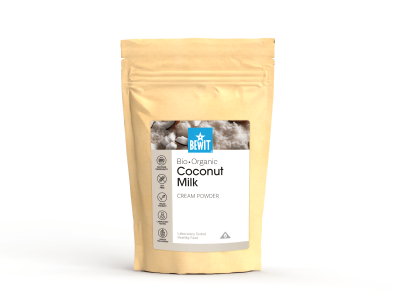
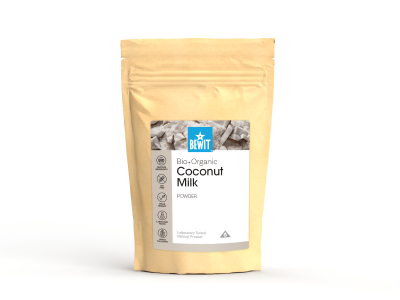
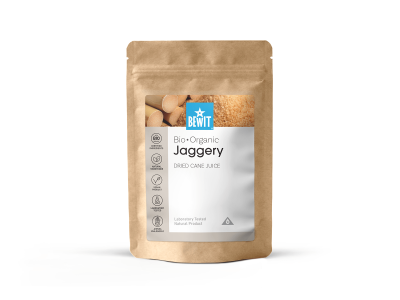
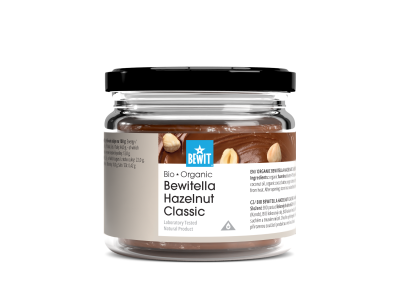
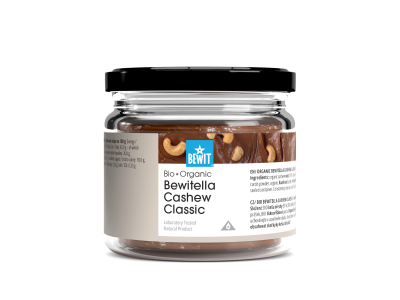
Also, use other ingredients from our range and flavour your cocoa to your
liking:
Also try
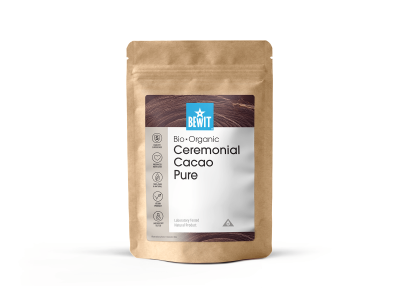
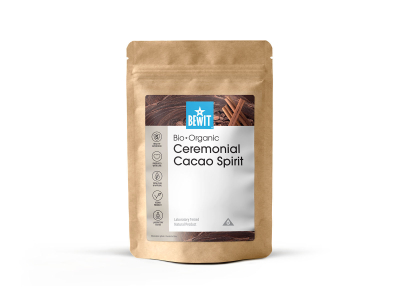
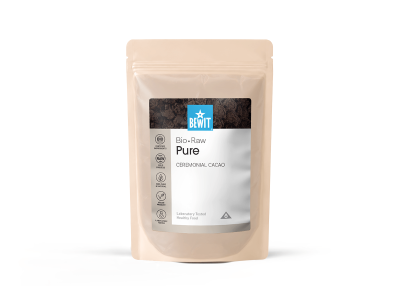
Or try the already flavoured cocoa mass BEWIT
Ceremonial Cocoa Spirit, ORGANIC or BEWIT
Ceremonial Cocoa Cream Spirit, ORGANIC.
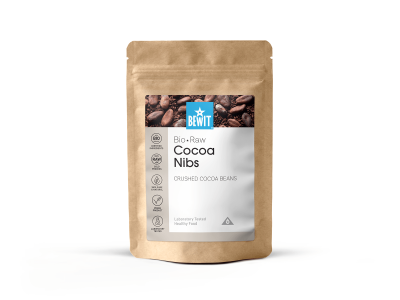
Do you love our cocoa? Also try BEWIT Cocoa Butter,
ORGANIC or BEWIT Cocoa Nibs,
ORGANIC RAW.
Recommended storage
Store in a cool, dark, and dry place at a temperature of 18–25 °C. Protect
from temperature fluctuations. After opening, keep in a tightly sealed
container.
Ingredients
100% cocoa powder from roasted cocoa beans (Theobroma cacao)
Country of origin
Madagascar






 Български
 Čeština
 Deutsch
 Eesti
Eesti
 Español
 Français
 Hrvatski
 Italiano
 Latviešu
 Lietuvių
 Magyar
 Nederlands
 Norsk
Norsk
 Polski
 Português
 Română
 Русский
 Slovenčina
 Slovenščina



















 CS (
CS (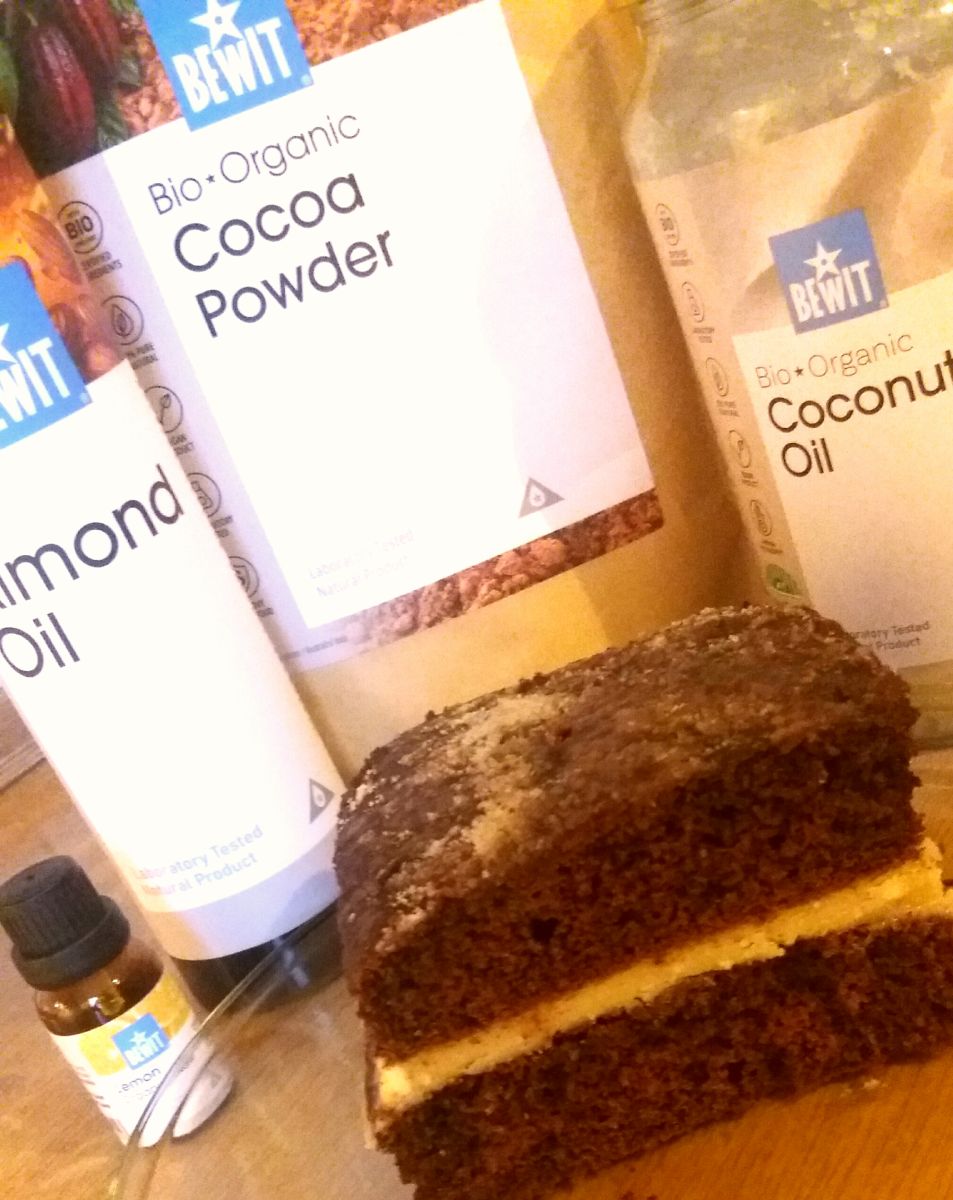

 SK (
SK (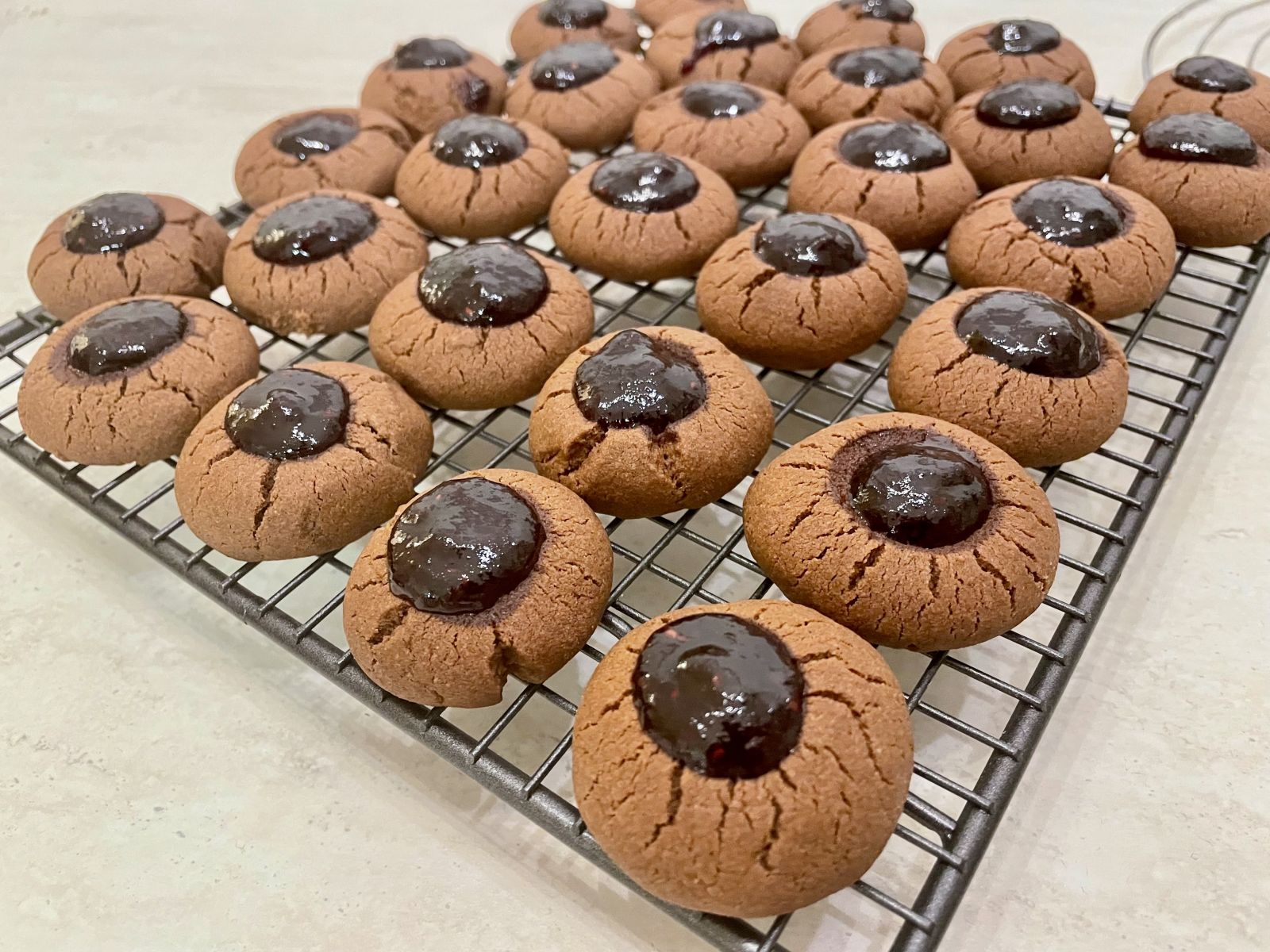

 RO (
RO (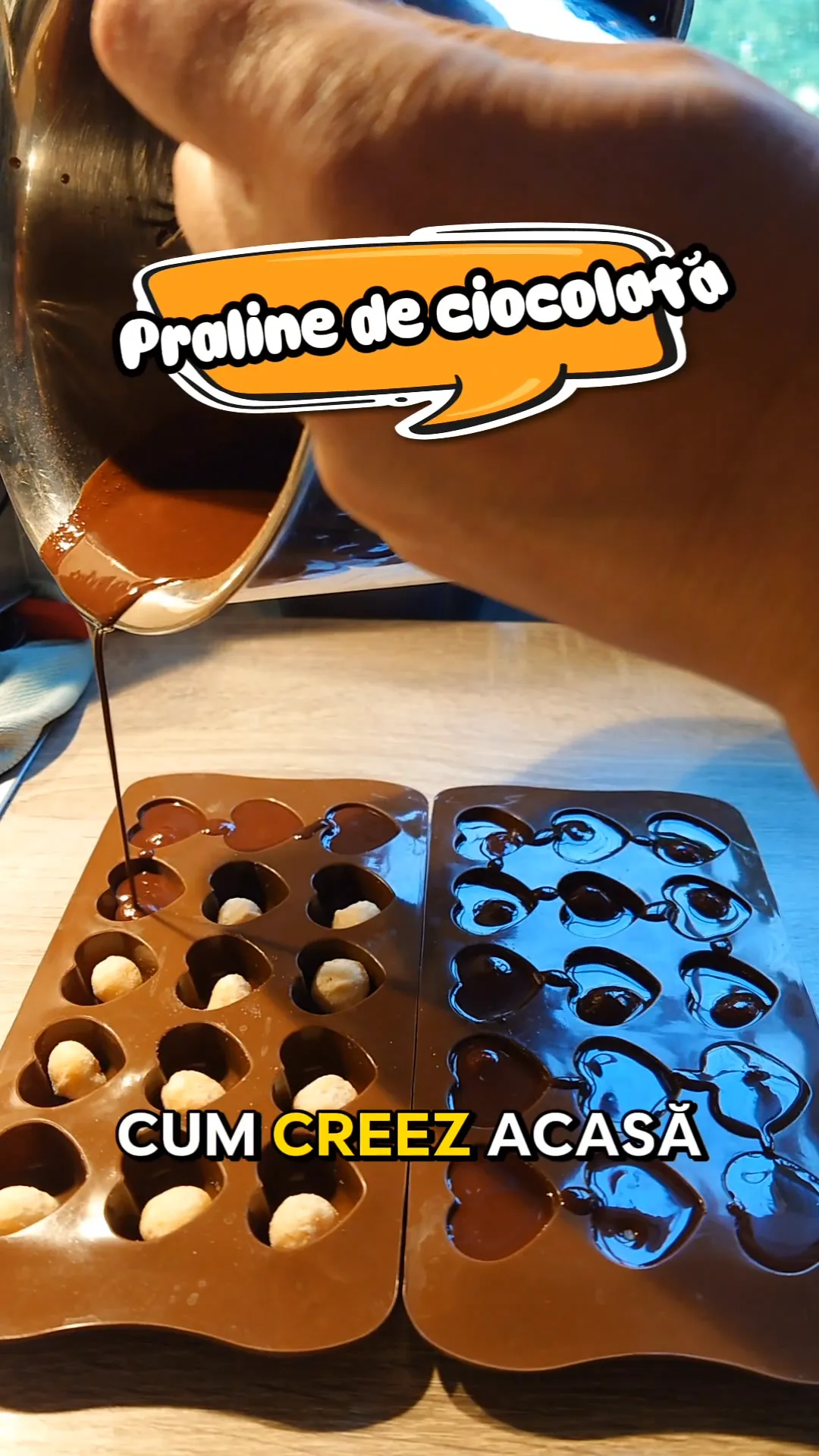


 HU (
HU (