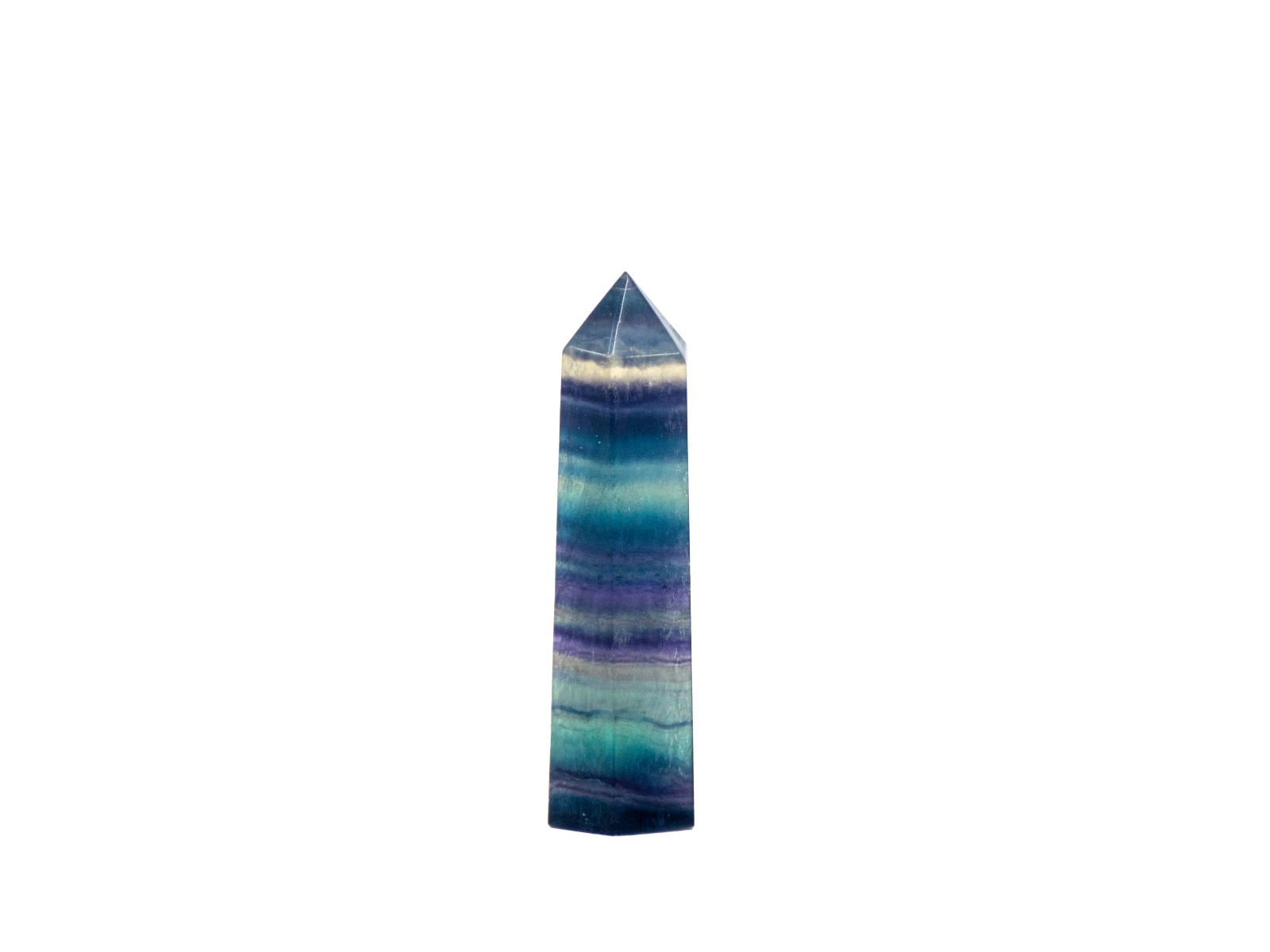
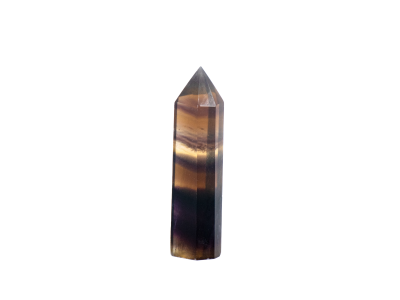
duhový FLUORIT – domov duhy
Fluorit, nazývaný také jako kazivec, je minerální forma fluoridu
vápenatého, často označovaná jako fluoritový drahokam.
Fluorit je jedním z nejsběratelnějších a
nejvyhledávanějších krystalů na světě, byl
pojmenován podle latinského slova „fluere" , což znamená
proudit, vyplývající ze schopnosti fluoritu
působit jako tok mezi kovy.
Mezi náležiště v České republice se řadí Horní Slavkov, Cínovec,
Krupka, Jáchymov, Harrachov
V zahraničí to je pak zejména Čína, Mongolsko, Korea, Pakistán, USA,
Austrálie, Kanada, Argentina, Kolumbie, Peru, Mexiko, JAR, Kazachstán, Rusko,
Anglie, Španělsko, Německo, Švýcarsko, Francie.
Duhový fluorit byl považován za domov duhy a byl stále
více používán jako talisman. Ve starověkém Římě se
věřilo, že pití alkoholu ze sklenic vyrobených z fluoritu může zabránit
opilosti.
BENEFITY FLUORITU DUHOVÉHO
- Z astrologického pohledu přináleží do znamení Kozoroha,
Vodnáře a Ryb.
- Má schopnost očistit a energizovat všechny
čakry.
- Uvádí se jako vhodný pro celkové čištění a opravu
aurického pole.
Pomůže být sám za sebe
Uklidňuje chaotickou mysl a podporuje volné myšlení,
flexibilitu a svobodu volby. Umožňuje člověku s jistotou
verbalizovat své myšlenky a potřeby a osvojit si
soběstačnost tím, že o své štěstí převezme do svých
rukou. Meditace s tímto minerálem může pomoci odhalit
pravdu o vztahu a je úžasná pro uvolnění potlačených
emocí a usnadnění životních změn.
Talisman pro indigové děti
Duhový fluorit je vynikajícím talismanem pro „indigové
děti“, je skvělým krystalem pro získání přístupu a
procházení alternativních realit. Může být také použit
k ochraně před psychickým útokem.
HISTORIE
Staří Číňané si fluoritu velmi vážili a to jak pro jeho
krásu, tak i pro schopnost přinášet živé, jasné
sny. Měli zato, že umístěním tohoto krystalu poblíž
vaší postele (ne pod polštář) bude jeho energie
vyzařovat do světa snů a způsobí, že budete mít krásné
sny, takové, jaké jste nikdy nezažili.
Starověcí Egypťané používali fluorit k vyřezávání skarabů a
soch božstev. Starověcí Římané používali
k dekoraci. Pliny starší, starověký římský učenec a
historik, miloval fluority natolik, že je uváděl jako své nejoblíbenější
minerály.
Pojmenován byl v roce 1797 Carlem Antonio Galeani Napione a název vychází
z latiny, fluere = „to flow“ , proudit. Termín fluorescence je odvozen od
fluoritu, který tento účinek často výrazně projeví a týká se schopnosti
fluoritu zářit ve tmě poté, co byl vystaven UV záření.
Název fluoru také odvozuje svůj název od fluoritu, hlavního zdroje
tohoto prvku.
SPECIFIKACE
Výška cca 80–110 mm.
Hmotnost menší cca 80–100 g, větší 110–130 g.
Vybroušený do špičky.
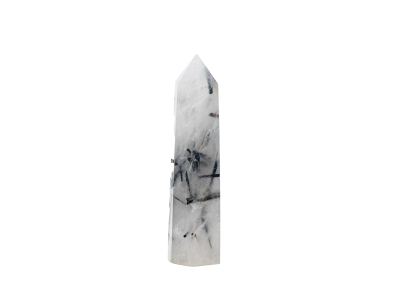
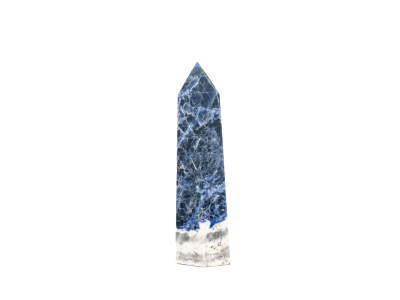
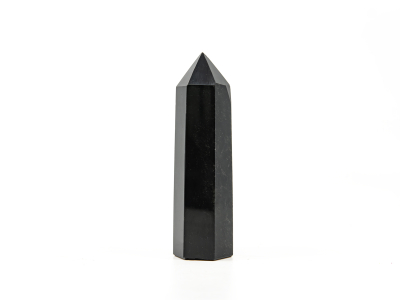
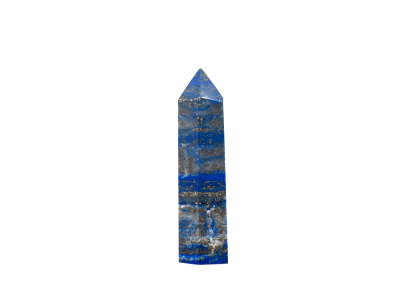
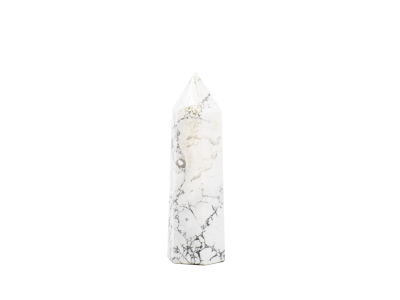
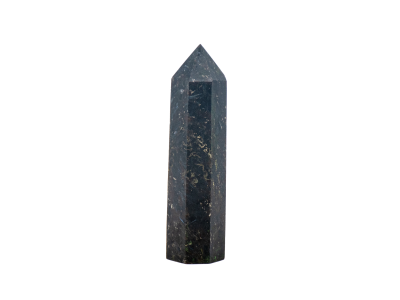
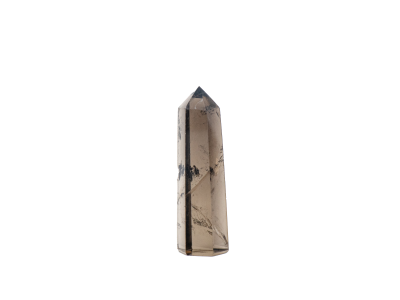
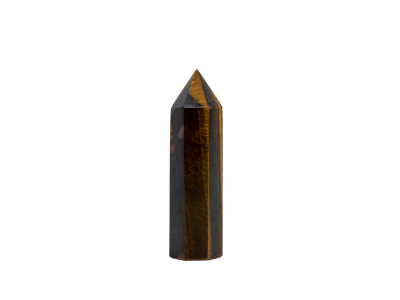
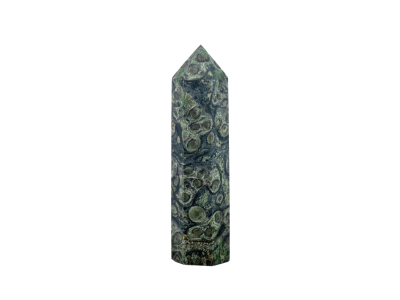
Foto je pouze ilustrační. Každý polodrahokam je jedinečný originál a
může se od fotografií lehce odlišovat svým tvarem a
strukturou.






 Български
 Deutsch
 Eesti
Eesti
 English
 Español
 Français
 Hrvatski
 Italiano
 Latviešu
 Lietuvių
 Magyar
 Nederlands
 Norsk
Norsk
 Polski
 Português
 Română
 Русский
 Slovenčina
 Slovenščina



 CS
CS

